The Perikatan Nasional coalition is bracing for a crucial leadership meeting scheduled for June 22 in Kota Baru, where senior officials will attempt to untangle a web of organisational complications that have festered within the opposition alliance. The gathering of the Supreme Council represents a significant moment for the bloc's senior figures to confront governance questions that have plagued coordination efforts as the country moves closer to possible electoral contests.
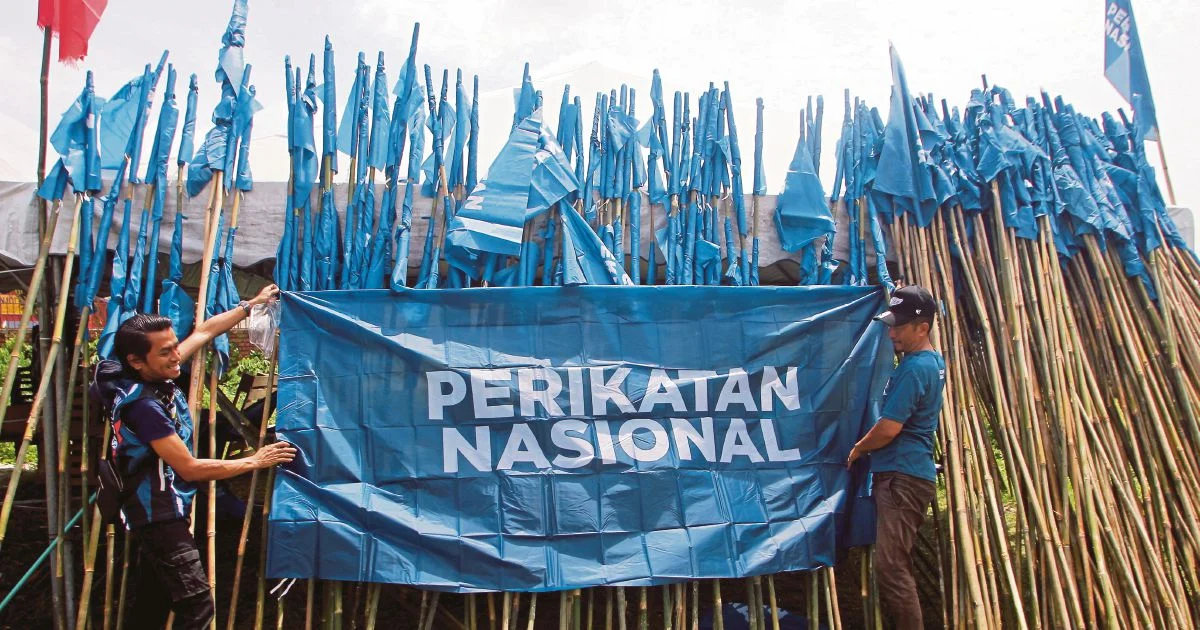
Logoissues have emerged as a surprisingly contentious matter within PN, reflecting deeper questions about coalition identity and branding as component parties jostle for recognition and visibility. The use of symbols and emblems carries weight in Malaysian electoral contests, where visual recognition can influence voter behaviour and organisational cohesion. A unified logo matters considerably for campaign messaging, particularly when multiple parties must project a coherent public image while maintaining their individual organisational identities. The Supreme Council's agenda suggests that member parties have not yet reached consensus on how to present themselves collectively to voters, underscoring fragmentation that extends beyond mere administrative detail.
Candidate endorsement procedures represent another flashpoint awaiting resolution. In any coalition, determining who receives the movement's backing for parliamentary and state seats involves intricate calculations around party representation, electoral viability, and internal fairness. Without clear protocols, endorsement decisions risk triggering grievances among components that feel marginalised or unfairly treated. Such resentments can corrode coalition unity precisely when presenting a united front matters most. The June 22 meeting suggests that PN component parties have yet to establish mutually acceptable procedures for these critical decisions.
For Malaysian observers, these internal wrangles highlight the structural challenges facing opposition coalitions in the country's political landscape. Unlike monolithic governing parties with clear internal hierarchies, opposition alliances must constantly negotiate between constituent members that maintain separate organisational interests while pursuing collective electoral goals. This balancing act grows more complicated when timing pressures mount as elections approach, forcing rushed decisions on matters that ideally require patient consensus-building.
The scheduling of this meeting in Kota Baru, the capital of Kelantan where PN commands considerable influence, carries its own significance. Kelantan has served as a traditional stronghold for Islamist and opposition politics in Malaysia, providing PN with a strategic base and reliable electoral support. Holding the meeting there sends a message about the coalition's confidence in certain regions while also accommodating practical logistics around where key leaders can convene.
Within the regional context, PN's internal coherence matters beyond Malaysia's borders. As a significant opposition force, the coalition's organisational capacity and unity influence broader Southeast Asian perceptions of Malaysian political stability and democratic health. International observers often gauge a nation's democratic vitality through opposition coalition strength and the capability to mount meaningful political competition. Internal disputes over administrative procedures, while mundane in appearance, signal to external audiences whether PN possesses the organisational discipline necessary for potential future governance roles.
The unresolved nature of these issues at this stage suggests that previous ad hoc approaches have proven insufficient as PN contemplates fuller electoral engagement. Earlier informal arrangements may have functioned adequately for by-elections or smaller contests, but forthcoming larger electoral exercises demand formalised procedures that all parties understand and accept in advance. The June 22 meeting represents a reckoning with this reality—a recognition that PN cannot continue operating without explicit frameworks governing critical decisions.
For Malaysian voters considering opposition alternatives, these behind-the-scenes complications carry genuine implications. The manner in which PN resolves logo and endorsement questions will reveal whether the coalition functions as a genuine political force capable of coherent governance or remains primarily a convenient arrangement among parties that struggle to transcend narrow factional interests. Voters rightfully ask whether coalitions asking for their confidence have actually established working relationships and decision-making procedures that would enable effective administration.
The upcoming discussion also occurs within the broader context of electoral uncertainty in Malaysia. With general elections potentially on the horizon, opposition coalitions face mounting pressure to demonstrate readiness and unity. PN's willingness to formally address organisational gaps through structured Supreme Council deliberation suggests leadership recognition that previous informality no longer suffices. This calculated approach may yet yield the consensus necessary for stronger collective action, or it might expose fault lines that prove difficult to bridge before electoral contests materialise.
As the June 22 meeting approaches, observers will monitor not merely the decisions reached but the transparency of the process itself. Whether PN communicates outcomes clearly to party members and the broader public will indicate confidence in the solutions achieved. Coalition politics in Malaysia functions most effectively when component parties feel heard and respected in decision-making processes, and when the public understands the reasoning behind contentious decisions.