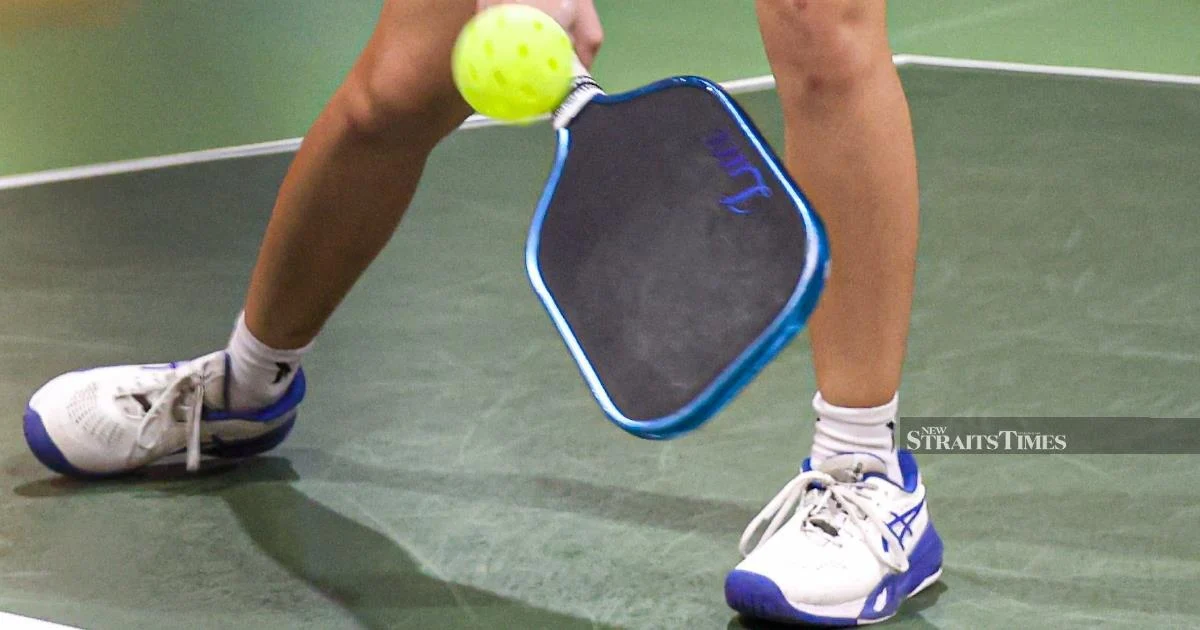
A contentious late-night pickleball match in Petaling Jaya has become the flashpoint for a nationwide examination of how Malaysian municipalities manage recreational facilities in residential neighbourhoods. The incident, which gained significant traction on social media, has prompted community leaders and sports administrators to reconsider the frameworks governing court approvals and the hours during which facilities operate near housing estates.
The episode reflects a growing tension between sporting enthusiasts seeking accessible venues and residents desperate to protect their quality of life from noise disturbances. Pickleball, a rapidly expanding sport across Malaysia and Southeast Asia, has attracted thousands of players in recent years, leading to a surge in court construction. However, this expansion has often proceeded with minimal consultation regarding its impact on surrounding communities, particularly in densely populated areas where residential and recreational spaces overlap.
Local councils in Malaysia currently operate under varying guidelines when evaluating applications for sports facilities. Some municipalities have established protocols requiring noise assessments and community consultations, while others rely on developers and operators to self-regulate. The Petaling Jaya incident has exposed these inconsistencies, with many residents questioning why a facility operating into the late hours was approved without adequate safeguards or restrictions. Residents affected by the noise have begun demanding formal intervention, suggesting that decisions of this nature should rest primarily with local authorities rather than private operators.
The debate underscores a fundamental challenge facing Malaysian urban planners: balancing the legitimate recreational interests of active residents with the residential rights of those seeking peaceful homes. Pickleball courts are relatively inexpensive to establish compared to traditional tennis facilities, making them attractive to entrepreneurs and property developers looking to enhance housing projects. Yet their proliferation has not been matched by comprehensive regulatory frameworks that anticipate community friction or establish reasonable boundaries for use.
Industry observers note that the timing of the dispute coincides with a broader awakening among Malaysian homeowners regarding nuisance complaints. Social media has empowered residents to organise and publicise grievances rapidly, whereas previously such complaints might have been contained within official channels. The viral nature of the Petaling Jaya incident demonstrates how quickly sporting disputes can escalate into neighbourhood crises when underlying governance gaps exist. This shift in communication dynamics means that councils can no longer afford to approve facilities without robust community engagement processes.
Sports administrators and court operators have responded with varying degrees of defensiveness. Some acknowledge that the industry has grown faster than regulation and that self-imposed best practices are insufficient. Others argue that unreasonable restrictions would suppress grassroots participation in a sport that has drawn thousands of Malaysians seeking accessible, low-impact recreation. This disagreement illustrates the complexity of crafting policy that satisfies all stakeholders without either stifling legitimate sporting activity or leaving residents vulnerable to preventable disturbances.
Several council representatives have begun discussing the possibility of establishing zoning requirements that would segregate recreational facilities from residential areas, or alternatively, implementing mandatory noise limits and operating hour restrictions for facilities located near homes. Such measures would require legislative amendments in most states, as current municipal bylaws typically lack specific provisions addressing sports court operations. The administrative burden of implementing oversight could also require councils to hire additional staff trained in noise monitoring and enforcement, a consideration that has prompted some municipalities to move cautiously.
Malaysia's experience mirrors challenges faced by other rapidly urbanising nations where sporting infrastructure development outpaces regulatory capacity. Cities across Southeast Asia have encountered similar disputes involving badminton courts, futsal facilities, and table tennis venues. By establishing clear frameworks now, Malaysian councils could serve as models for regional peer cities while demonstrating that growth and community harmony are not mutually exclusive objectives.
The Petaling Jaya incident is likely to accelerate conversations within municipal governments about the true costs of approving recreational facilities without adequate conditions. Local councils may find that investing in upfront regulatory infrastructure saves considerable resources spent managing complaints and public relations crises after the fact. Furthermore, clear guidelines would provide certainty to operators and investors, allowing them to plan facilities with confidence that they can operate legally within defined parameters.
Moving forward, the pickleball community faces an opportunity to shape its own future by embracing reasonable regulations rather than resisting oversight entirely. Industry bodies have begun engaging with councils on standards for court design, acoustic treatment, and operating schedules. These collaborative efforts suggest that accommodation is possible, though only if both recreational interests and residential concerns are treated as equally legitimate.
The resolution of this debate will likely influence how Malaysian councils approach approvals for numerous recreational uses in coming years. Whether through revised bylaws, stronger community consultation requirements, or designated sporting zones, municipalities appear poised to claim greater authority over a space where commerce, recreation, and domestic life intersect. For residents and sports enthusiasts alike, the outcome will shape the neighbourhoods we share for years to come.