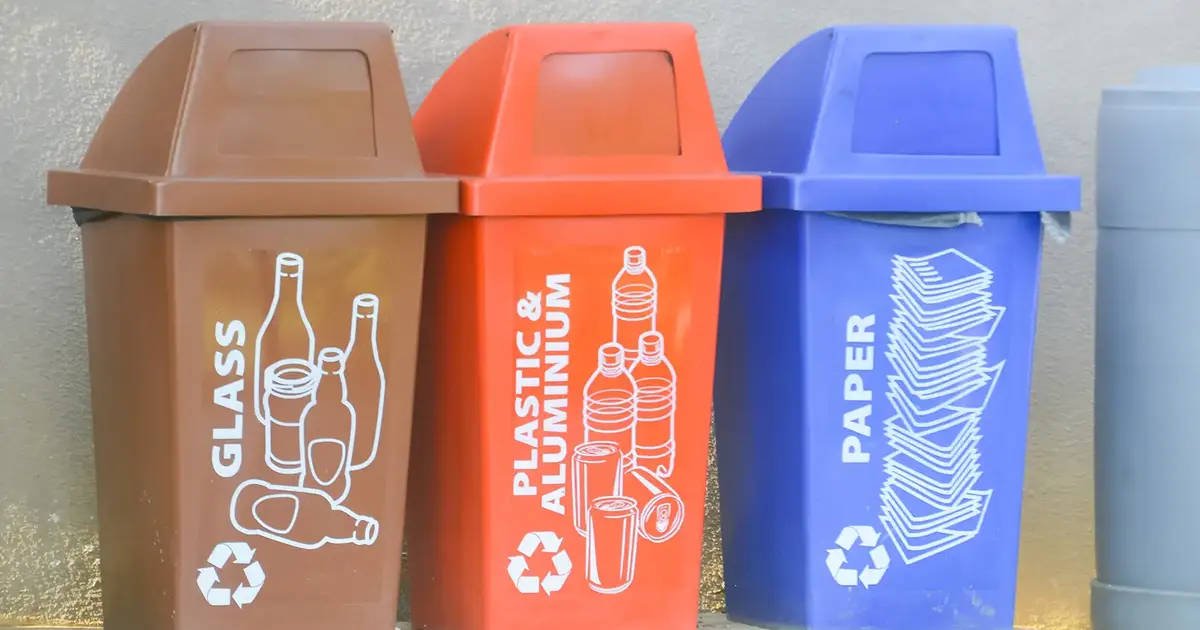
The Selangor state government and its relevant agencies are embarking on a comprehensive review of waste management guidelines following acknowledgement that existing provisions lack sufficient clarity. Local Government Committee Chairman Ng Suee Lim has recognised that the current framework permits varying interpretations, a situation that threatens to undermine consistency in implementation across the state's municipalities and waste management operators.
This move addresses a growing concern within Selangor's waste management sector, where ambiguities in regulatory language have created operational challenges for both public agencies and private contractors. The recognition that guidelines require clarification signals a shift towards more rigorous governance in an industry that handles millions of tonnes of municipal and industrial waste annually across Malaysia's most populous state. For Selangor residents and businesses, clearer standards could translate into more reliable collection schedules, better environmental outcomes, and fairer competition among service providers.
The differing interpretations of current provisions stem largely from imprecise terminology and procedural gaps that have accumulated over time. When guidelines permit multiple valid readings, enforcement becomes inconsistent, with some municipalities applying stricter standards than others. This fragmented approach creates an uneven playing field for waste management operators, some of whom may face more stringent compliance requirements depending on their locality. Business operators have expressed frustration with this unpredictability, which complicates long-term planning and investment decisions in the sector.
Environmental groups have also flagged concerns that ambiguous guidelines may inadvertently permit practices that fall short of best-practice waste management standards. With Selangor accounting for a significant portion of Malaysia's total waste generation, the stakes are particularly high. Any weaknesses in the state's waste management framework reverberate across the broader regional ecosystem, affecting recycling rates, landfill utilisation, and compliance with national environmental targets.
The timing of this review aligns with broader regional and national sustainability agendas. Malaysia has committed to enhancing its circular economy framework and reducing landfill dependency. Selangor, as the nation's economic engine and most urbanised state, bears disproportionate responsibility for demonstrating effective waste management. Updated guidelines could position the state as a model for peer jurisdictions and strengthen its environmental governance credentials at a time when international investors increasingly scrutinise corporate environmental stewardship.
Ng Suee Lim's public acknowledgement of the interpretation problem represents an important step towards transparency and institutional accountability. Rather than dismissing concerns as minor implementation quirks, the local government committee has signalled willingness to undertake substantive reform. This openness to review suggests that the Selangor administration recognises that regulatory clarity is foundational to effective governance, not merely a technical detail.
The review process itself will likely involve extensive consultation with multiple stakeholder groups. Waste management contractors, municipal leaders, environmental advocates, and industry associations all have vested interests in how new guidelines are framed. The consultation phase will be crucial in ensuring that revised provisions reflect practical realities while maintaining robust environmental and public health standards. Stakeholders in neighbouring states such as Kuala Lumpur and Putrajaya may also watch closely, given the interconnected nature of metropolitan waste management systems.
Experts suggest that effective guidelines must balance prescriptive clarity with operational flexibility. Overly rigid standards risk stifling innovation in waste treatment and recycling technologies, while excessively loose frameworks invite the inconsistency problems Selangor now confronts. The review presents an opportunity to establish guidelines that set clear performance objectives whilst permitting operators reasonable latitude in achieving those outcomes. Such an approach could encourage investment in advanced waste-to-energy facilities and recycling infrastructure.
Implementation capacity also merits attention during the review. Even well-drafted guidelines prove ineffective if enforcement mechanisms are underfunded or poorly coordinated. Selangor's state agency responsible for oversight must be equipped with adequate resources, technical expertise, and inter-agency coordination mechanisms to ensure uniform application across municipalities. Training programmes for local officials and regular audits can reinforce compliance culture and maintain standards consistency.
The review's outcomes will likely be published in phases, beginning with a diagnostic assessment of current inconsistencies, followed by stakeholder consultation, and culminating in revised guidelines. The timeline for completion remains unannounced, though stakeholders anticipate concrete progress within the next twelve to eighteen months. During the interim period, municipalities are expected to maintain existing standards whilst preparing for transition to updated frameworks.
For the broader Malaysian waste management sector, Selangor's initiative carries instructive value. Other states face similar interpretation challenges with their own guidelines. If Selangor's review yields genuine improvements in clarity and consistency, the methodology and lessons learned could be adapted nationally. This potential ripple effect elevates the significance of what might otherwise appear a parochial administrative exercise into a matter of consequence for environmental governance across the peninsula.
Ultimately, Ng Suee Lim's candid acknowledgement that current provisions invite confusion has injected welcome realism into Selangor's waste management policy discourse. The transition from acknowledging problems to implementing solutions will test the government's commitment to institutional improvement. Success requires not only drafting clearer guidelines but ensuring that all stakeholders—from municipal administrators to neighbourhood recycling coordinators—understand and embrace the revised framework.