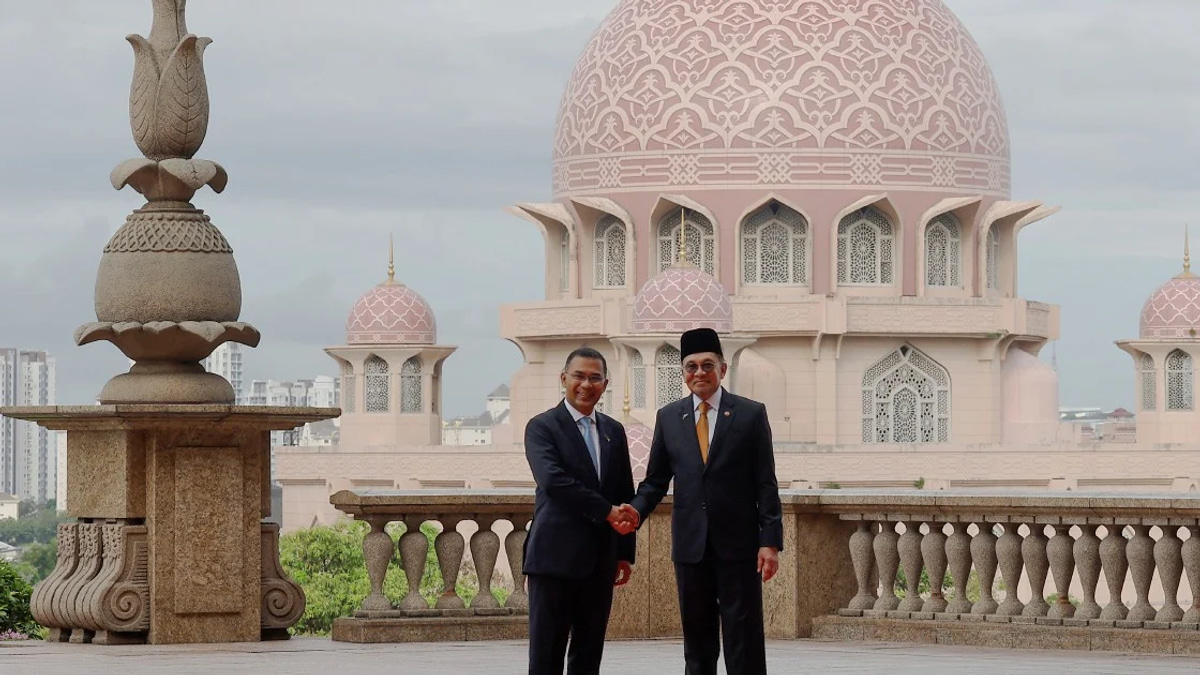
Bangladesh Prime Minister Tarique Rahman arrived in Putrajaya on a two-day official visit, where he was welcomed by Malaysian Prime Minister Datuk Seri Anwar Ibrahim at the Perdana Putra Complex. The reception underscored the diplomatic significance Malaysia places on its relationship with Bangladesh, reflecting the growing strategic importance of bilateral engagement in Southeast and South Asia.
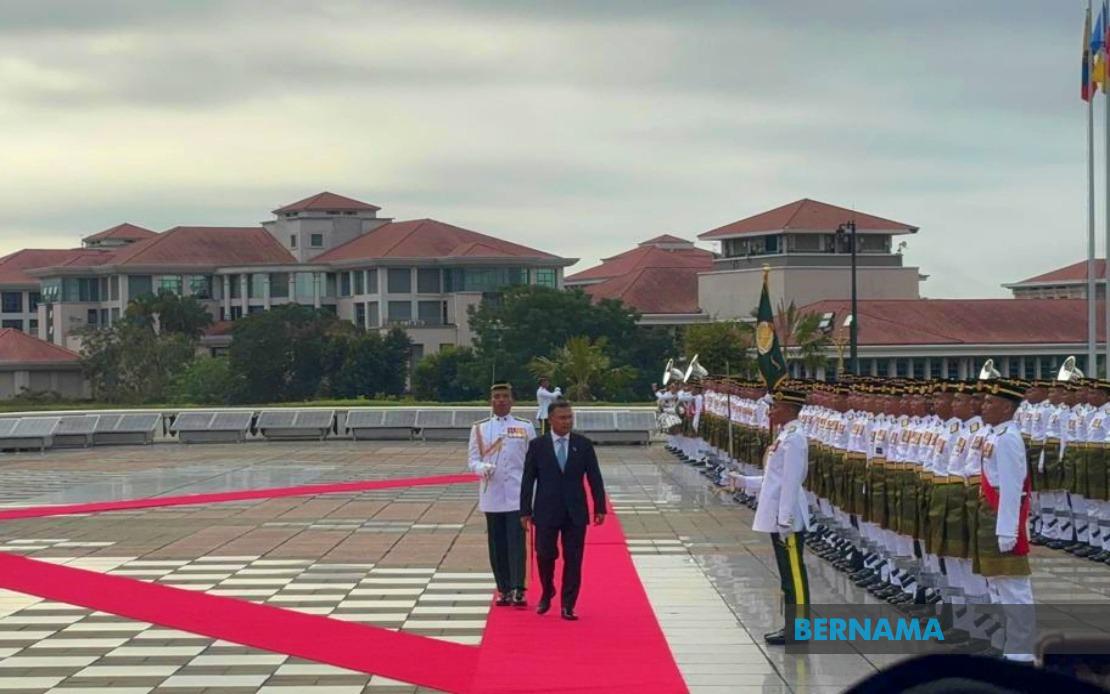
The formal ceremony began at 9 am with the traditional playing of both nations' national anthems, followed by an inspection of a guard of honour comprising three officers and 103 personnel from the First Battalion of the Royal Ranger Regiment, commanded by Major Nur Ahmad Zaim Zahari. This ceremonial protocol demonstrates the high-level status accorded to the visiting delegation and signals Malaysia's commitment to deepening institutional relationships with Dhaka.
The official reception was attended by key figures from Malaysia's government, including Deputy Prime Minister Datuk Seri Dr Ahmad Zahid Hamidi, Foreign Minister Datuk Seri Mohamad Hasan, Home Minister Datuk Seri Saifuddin Nasution Ismail, and Communications Minister Datuk Fahmi Fadzil, alongside other Cabinet members and senior officials. The presence of such a high-powered delegation reflects the comprehensive nature of the bilateral agenda, spanning multiple policy domains from security to economic cooperation.
Following the ceremonial proceedings, Tarique engaged in a one-on-one meeting with Anwar before participating in broader bilateral discussions involving senior ministers and officials from both nations. These conversations are expected to address the trajectory of Malaysia-Bangladesh relations and identify concrete opportunities for expanded cooperation. The agenda encompasses several critical sectors that are vital to both economies' development strategies, including trade and investment frameworks, semiconductor manufacturing and technology transfer, energy security, agricultural development, and educational partnerships.
The economic dimensions of this visit carry particular weight given the substantial trade volumes between the two countries. In 2025, bilateral commerce reached RM12.18 billion, equivalent to USD2.84 billion, positioning Bangladesh as Malaysia's 28th largest trading partner globally. Malaysia's export portfolio to Bangladesh is dominated by petroleum products, with total shipments valued at RM10.08 billion, while Bangladesh supplies primarily textiles, apparel and footwear to Malaysian markets, accounting for RM2.10 billion in imports. These figures underscore how deeply integrated the two economies have become, particularly within energy and manufacturing sectors.
Within the South Asian context, Bangladesh holds particular significance as Malaysia's second most important trading partner after India, serving simultaneously as the nation's second largest export destination and second largest source of imports in the region. This positioning reflects Bangladesh's emergence as a major manufacturing hub and growing consumer market, complementing Malaysia's strengths in resource extraction, petrochemicals and advanced manufacturing. The trade relationship demonstrates mutual economic complementarity that provides scope for deepening value-added partnerships.
During the bilateral visit, both governments are scheduled to execute a Memorandum of Understanding focused on cultural cooperation, alongside two Exchanges of Notes addressing counter-terrorism research collaboration and investment promotion mechanisms. These instruments represent tangible commitments to expand people-to-people connections and strengthen security cooperation in an era where transnational threats demand coordinated regional responses. The counter-terrorism component reflects shared vulnerabilities and mutual interest in combating extremism and organised criminal networks operating across maritime and terrestrial borders.
Prime Minister Anwar is scheduled to host an official luncheon honouring Tarique, providing an informal setting for further relationship-building and diplomatic dialogue. Such occasions typically facilitate candid discussions on regional security architecture, responses to geopolitical shifts in South and Southeast Asia, and coordinated approaches to emerging challenges. The bilateral framework extends beyond transactional commercial interests to encompass broader questions of regional stability and multilateral cooperation.
Tarique's delegation includes his spouse Dr Zubaida Rahman and Foreign Minister Dr Khalilur Rahman, alongside senior government officials, indicating Bangladesh's commitment to substantive engagement across multiple governmental levels. The composition of the visiting delegation suggests discussions will encompass foreign policy alignment on regional and international matters of mutual concern, reflecting how bilateral relationships in contemporary Asia increasingly integrate security, economic and diplomatic dimensions into unified strategic frameworks that serve both nations' long-term interests.
%22%2F%3E%3C%2Fpattern%3E%3C%2Fdefs%3E%3Crect%20width%3D%22100%25%22%20height%3D%22100%25%22%20fill%3D%22url(%23ph154msg)%22%2F%3E%3Crect%20width%3D%22100%25%22%20height%3D%22100%25%22%20fill%3D%22url(%23ph154msp)%22%2F%3E%3Ctext%20x%3D%2250%25%22%20y%3D%2250%25%22%20text-anchor%3D%22middle%22%20dominant-baseline%3D%22central%22%20fill%3D%22rgba(255%2C255%2C255%2C0.95)%22%20font-family%3D%22Georgia%2C%20'Times%20New%20Roman'%2C%20serif%22%20font-weight%3D%22700%22%20font-size%3D%22226%22%20letter-spacing%3D%22-0.02em%22%3EHannah%3C%2Ftext%3E%3C%2Fsvg%3E)