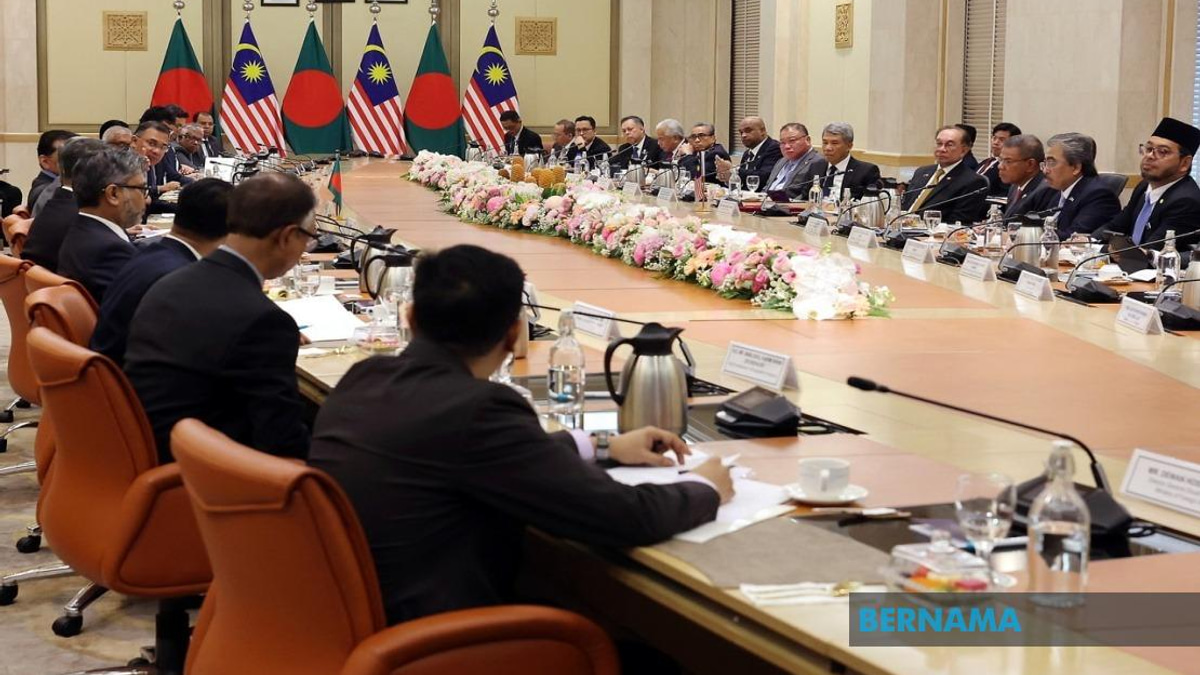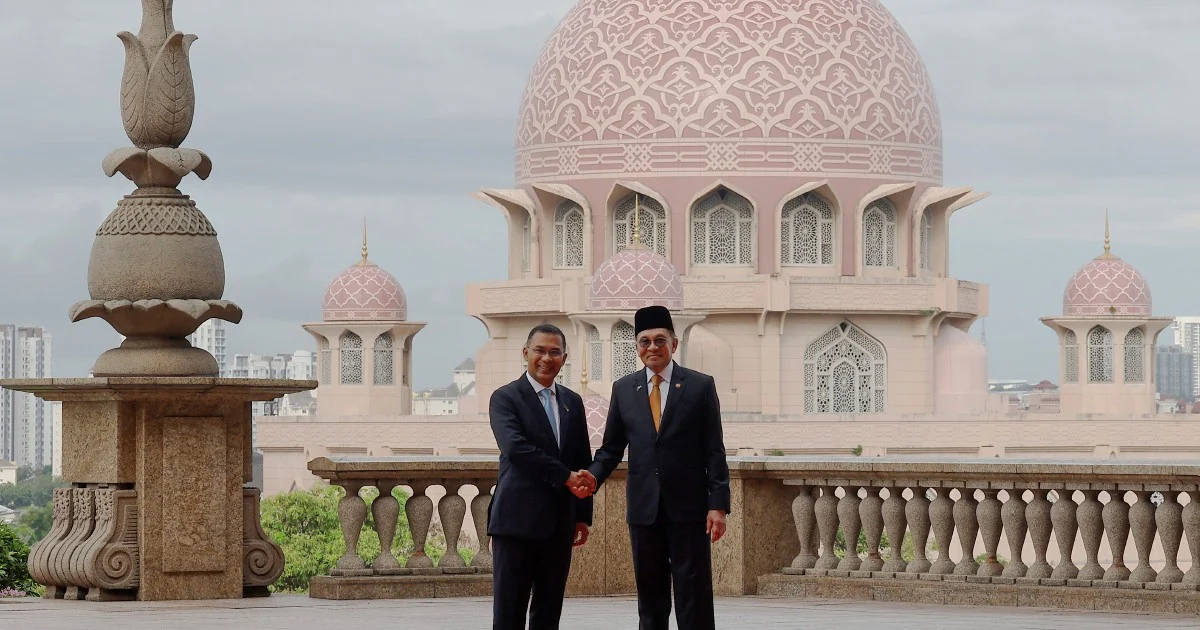
Prime Minister Anwar Ibrahim extended an official welcome to Bangladesh Prime Minister Tarique Rahman at the Perdana Putra Complex in Putrajaya, marking the beginning of a significant two-day diplomatic engagement between Malaysia and Bangladesh. The visit underscores the commitment both nations have made to deepening relations across economic, security, and cultural domains, particularly as the region navigates complex geopolitical and economic transitions.
Rahman's presence in the Malaysian capital reflects a broader regional trend of high-level engagement among South and Southeast Asian nations seeking to strengthen multilateral partnerships. Bangladesh, as the world's eighth most populous country and a critical player in South Asian affairs, holds considerable strategic importance for Malaysia's regional diplomacy. The formal reception provided by the Malaysian government signals the significance attributed to this bilateral interaction and suggests substantive discussions are anticipated during the visit.
The visit occurs at a crucial juncture for both nations. Bangladesh has been navigating significant political transitions and development challenges, while Malaysia continues to position itself as a bridge between South and Southeast Asia. Official visits of this nature typically facilitate discussions on trade enhancement, labour mobility, cultural exchanges, and regional security matters that affect both populations.
Bilateral commerce between Malaysia and Bangladesh has grown steadily, with Malaysian investments flowing into Bangladesh's manufacturing and infrastructure sectors, while Bangladeshi migrant workers form a considerable segment of Malaysia's foreign workforce. The two-day format of Rahman's visit suggests a comprehensive agenda that may encompass bilateral trade reviews, investment facilitation discussions, and possibly coordination on regional forums such as the Organisation of Islamic Cooperation where both nations hold influential positions.
Such high-level diplomatic visits carry particular weight in demonstrating commitment to existing agreements and exploring new avenues for cooperation. The venue itself—Perdana Putra, the seat of the Prime Minister's office—indicates that discussions will likely address matters of strategic importance requiring top-level attention, rather than routine administrative matters that might be handled at lower bureaucratic levels.
The timing of Rahman's visit may also reflect evolving regional dynamics in South Asia and Southeast Asia, where nations are increasingly seeking to diversify their partnerships and reduce over-reliance on traditional powers. Malaysia's engagement with Bangladesh can facilitate knowledge transfer in areas where Malaysia has achieved development success, particularly in areas such as financial services, palm oil sustainability practices, and human resource management.
For Malaysian readers, this visit carries implications for several constituencies. The business community will be monitoring discussions on potential new investment opportunities and trade facilitation measures. Labour-related organisations pay attention to high-level visits involving nations with substantial migrant populations in Malaysia, as such meetings often provide opportunities to address worker welfare concerns and bilateral labour arrangements. Culturally, the visit reinforces the close ties between Malaysia's substantial Muslim population and one of the world's largest Muslim-majority nations.
Regionally, the visit exemplifies the network of bilateral relationships that buttress ASEAN's broader engagement with South Asia. As Malaysia holds influence within ASEAN structures and Bangladesh engages through various regional mechanisms, such personal meetings between leaders help establish the interpersonal relationships that facilitate cooperation at multilateral platforms and during crisis situations requiring urgent diplomatic coordination.
The reception accorded to Rahman reflects Malaysia's diplomatic protocol standards and the respectful treatment extended to fellow leaders of developing nations navigating complex economic and political circumstances. Such ceremonial gestures, while formal in nature, serve important functions in international relations by demonstrating mutual respect and setting a positive tone for substantive negotiations.
During the ensuing discussions—whether in bilateral meetings, working groups, or informal settings—the two governments will likely explore specific mechanisms for enhancing cooperation. This may include memoranda of understanding on new fronts, reviews of existing agreements, or discussions on joint positions regarding regional and international matters where their interests align. The outcomes of such visits often materialise as press statements or joint communiqués that provide insight into areas of agreement and future collaborative efforts.
The presence of a Bangladesh Prime Minister in Putrajaya also symbolises the growing maturity of bilateral relations, having evolved from primarily economic transactions to encompassing strategic partnership elements. As both nations chart their respective development paths, maintaining robust diplomatic channels and demonstrating willingness to engage at the highest levels becomes increasingly valuable for coordinating positions on shared challenges, from climate change to maritime security.
Government delegations and media coverage of such visits also serve important domestic functions within each country, allowing leaders to demonstrate their commitment to international engagement and their ability to secure partnerships beneficial to their citizens. For Malaysian audiences, coverage of Rahman's visit reinforces Malaysia's role as a significant diplomatic player capable of hosting leaders from diverse regions.
As the two-day visit unfolds, stakeholders across Malaysia will observe the substantive outcomes and the messages conveyed by both governments regarding their vision for bilateral relations in the coming years.