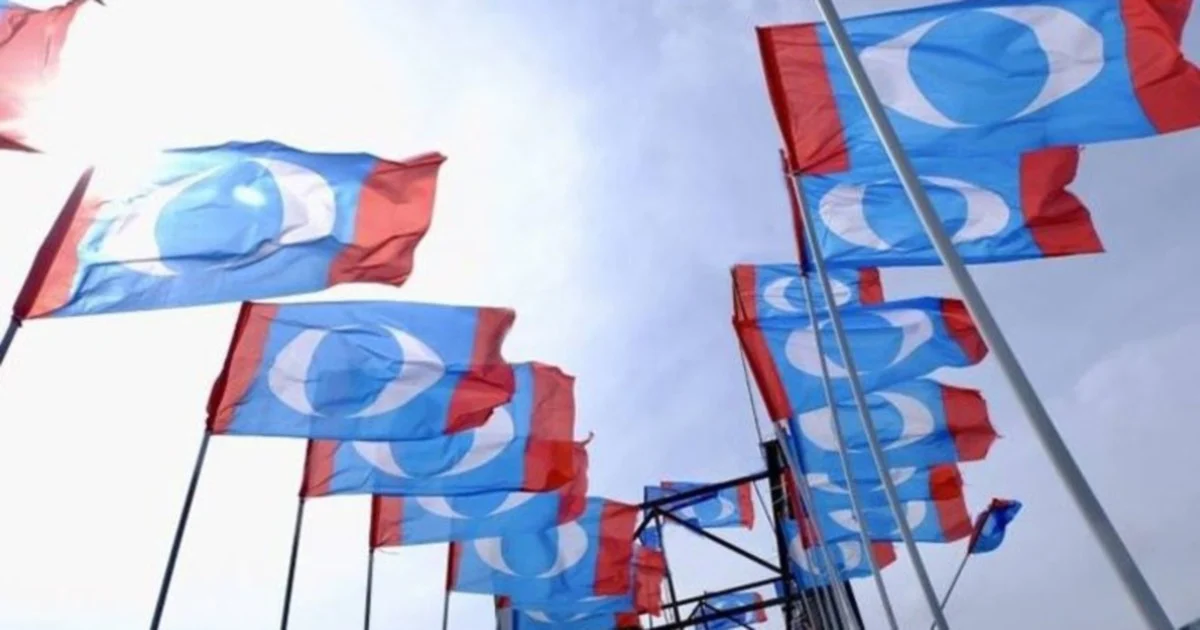
PKR has substantially wrapped up the process of nominating candidates for both the Johor and Negri Sembilan state elections, with party secretary-general Datuk Dr Fuziah Salleh confirming that the candidate list stands at 99 per cent completion. This announcement indicates that the People's Justice Party is in the final stages of preparing its electoral machinery for contests in two significant peninsular states where the party wields considerable political influence.
The near-completion of the candidate selection process represents a critical juncture for PKR as it consolidates its position ahead of anticipated state-level polling. Both Johor and Negri Sembilan have been traditional areas of political competition where PKR has maintained a substantial presence, particularly through its representation in state assemblies and municipal councils. The finalisation of the candidate list typically signals a party's confidence in its electoral prospects and its organisational readiness for the campaign phase.
For Malaysian readers, the timing of PKR's candidate announcement carries broader implications for the political landscape. As a key component of the Pakatan Harapan coalition, PKR's strength in state elections affects not only its own electoral fortunes but also the viability of opposition cooperation at the state level. The two states in question remain politically competitive territories where seat distribution negotiations between PKR and allied parties become particularly consequential.
Johor, in particular, commands significant attention in Malaysian political circles given its large assembly and economic importance. The state has witnessed fluctuating political fortunes over recent years, with various coalitions rising and falling in prominence. PKR's readiness to contest in Johor with a nearly complete candidate slate suggests the party has conducted thorough internal deliberations to identify viable contenders across the state's diverse constituencies.
Negri Sembilan, whilst smaller in terms of assembly seats, also holds strategic value within the peninsula's political economy. The state's voting patterns often reflect broader trends in Selangor and Kuala Lumpur, making its electoral outcomes potentially indicative of sentiment in the more urbanised regions of Peninsular Malaysia. PKR's strong organisational presence in Negri Sembilan has historically made it competitive in state politics.
The candidate finalisation process itself deserves scrutiny, as it typically involves weighing factors such as individual merit, electoral viability, factional balance within the party, and coalition considerations. With 99 per cent completion announced, PKR's leadership under Datuk Dr Fuziah has evidently navigated these competing pressures to produce a slate that command's the party's confidence. The remaining one per cent likely reflects either final administrative verification or the resolution of a small number of contested nominations.
Regional observers will note that PKR's readiness contrasts with occasional delays that sometimes afflict Malaysian political parties during candidate selection phases. Such delays often emerge from internal disputes, last-minute withdrawals, or disagreements over seat allocations between coalition partners. PKR's near-completion suggests it has either resolved such issues expeditiously or avoided them altogether through effective internal management.
The announcement also carries implications for civil society organisations and electoral monitoring groups that typically prepare for state elections. With candidate lists approaching finalisation, the campaign machinery can accelerate, allowing detailed policy proposals, candidate manifestos, and campaign strategies to take shape. This progression matters for voter engagement, particularly in constituencies where multiple candidates compete for limited seats.
Looking beyond the immediate electoral cycle, PKR's performance in Johor and Negri Sembilan will influence the party's trajectory within Malaysian politics. Strong showings would reinforce PKR's claim to being a consequential peninsular force, whilst disappointing results might necessitate strategic recalibration. Given that Datuk Dr Fuziah has publicly emphasised the near-completion of candidate selection, the party has clearly signalled its intention to mount competitive campaigns in both states.
The finalisation of candidate lists also triggers countdown effects within other political parties, as potential opponents prepare their own nominations and campaign strategies. Coalition partners will need to coordinate messaging and resource allocation, whilst the ruling coalition parties will similarly mobilise their own candidate announcement processes. This interdependence among political actors means that one party's candidate finalisation cascades through the broader electoral ecosystem.
For constituencies awaiting candidate announcements, the 99 per cent completion rate suggests that detailed nomination information should become public within a brief window. This transparency allows registered voters to familiarise themselves with their potential representatives and to assess the qualifications and track records of nominees. The transition from internal party selection to public announcement represents a pivotal moment when electoral competition shifts into higher gear and substantive policy debates become more prominent in public discourse.
%22%2F%3E%3C%2Fpattern%3E%3C%2Fdefs%3E%3Crect%20width%3D%22100%25%22%20height%3D%22100%25%22%20fill%3D%22url(%23ph4hbbfg)%22%2F%3E%3Crect%20width%3D%22100%25%22%20height%3D%22100%25%22%20fill%3D%22url(%23ph4hbbfp)%22%2F%3E%3Ctext%20x%3D%2250%25%22%20y%3D%2250%25%22%20text-anchor%3D%22middle%22%20dominant-baseline%3D%22central%22%20fill%3D%22rgba(255%2C255%2C255%2C0.95)%22%20font-family%3D%22Georgia%2C%20'Times%20New%20Roman'%2C%20serif%22%20font-weight%3D%22700%22%20font-size%3D%22320%22%20letter-spacing%3D%22-0.02em%22%3EUS%3C%2Ftext%3E%3C%2Fsvg%3E)
%22%2F%3E%3C%2Fpattern%3E%3C%2Fdefs%3E%3Crect%20width%3D%22100%25%22%20height%3D%22100%25%22%20fill%3D%22url(%23ph3e48rg)%22%2F%3E%3Crect%20width%3D%22100%25%22%20height%3D%22100%25%22%20fill%3D%22url(%23ph3e48rp)%22%2F%3E%3Ctext%20x%3D%2250%25%22%20y%3D%2250%25%22%20text-anchor%3D%22middle%22%20dominant-baseline%3D%22central%22%20fill%3D%22rgba(255%2C255%2C255%2C0.95)%22%20font-family%3D%22Georgia%2C%20'Times%20New%20Roman'%2C%20serif%22%20font-weight%3D%22700%22%20font-size%3D%22320%22%20letter-spacing%3D%22-0.02em%22%3EPAS%3C%2Ftext%3E%3C%2Fsvg%3E)
%22%2F%3E%3C%2Fpattern%3E%3C%2Fdefs%3E%3Crect%20width%3D%22100%25%22%20height%3D%22100%25%22%20fill%3D%22url(%23ph5u2f8g)%22%2F%3E%3Crect%20width%3D%22100%25%22%20height%3D%22100%25%22%20fill%3D%22url(%23ph5u2f8p)%22%2F%3E%3Ctext%20x%3D%2250%25%22%20y%3D%2250%25%22%20text-anchor%3D%22middle%22%20dominant-baseline%3D%22central%22%20fill%3D%22rgba(255%2C255%2C255%2C0.95)%22%20font-family%3D%22Georgia%2C%20'Times%20New%20Roman'%2C%20serif%22%20font-weight%3D%22700%22%20font-size%3D%22151%22%20letter-spacing%3D%22-0.02em%22%3EPerikatan%3C%2Ftext%3E%3C%2Fsvg%3E)