%22%2F%3E%3C%2Fpattern%3E%3C%2Fdefs%3E%3Crect%20width%3D%22100%25%22%20height%3D%22100%25%22%20fill%3D%22url(%23ph5u2f8g)%22%2F%3E%3Crect%20width%3D%22100%25%22%20height%3D%22100%25%22%20fill%3D%22url(%23ph5u2f8p)%22%2F%3E%3Ctext%20x%3D%2250%25%22%20y%3D%2250%25%22%20text-anchor%3D%22middle%22%20dominant-baseline%3D%22central%22%20fill%3D%22rgba(255%2C255%2C255%2C0.95)%22%20font-family%3D%22Georgia%2C%20'Times%20New%20Roman'%2C%20serif%22%20font-weight%3D%22700%22%20font-size%3D%22151%22%20letter-spacing%3D%22-0.02em%22%3EPerikatan%3C%2Ftext%3E%3C%2Fsvg%3E)
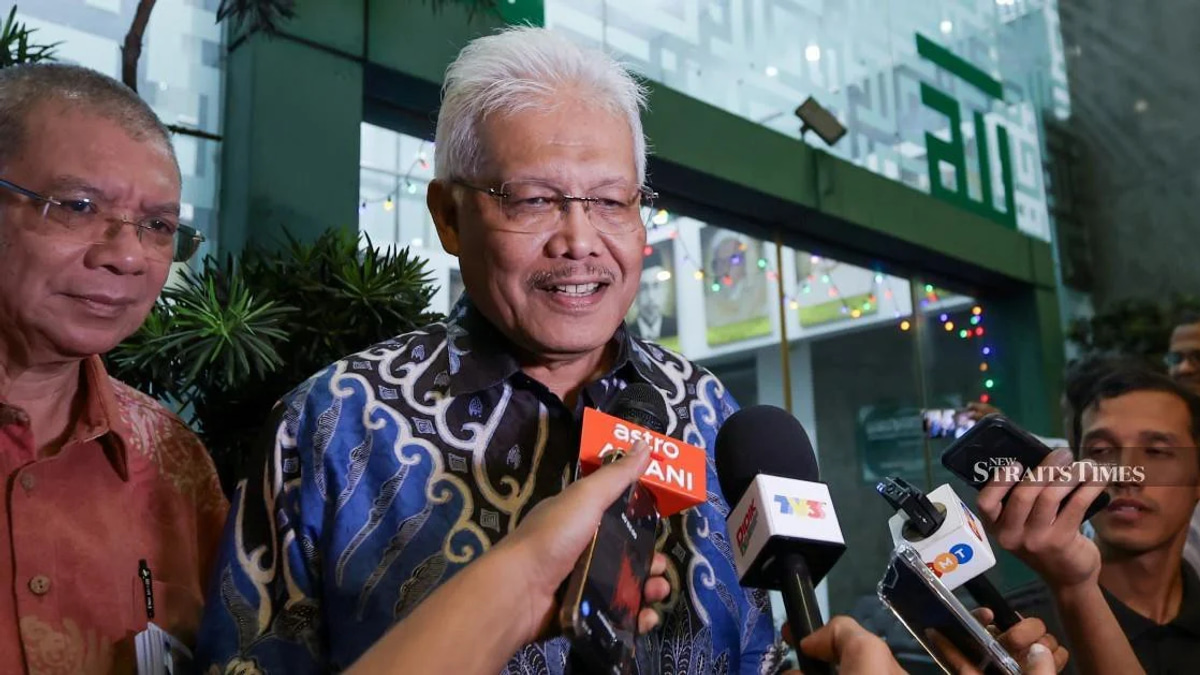
Malaysia's Perikatan Nasional coalition has formally completed its leadership transition following official endorsement from the Registrar of Societies, establishing a new governing structure that reflects shifting power dynamics within the opposition bloc. The confirmation of these changes represents a pivotal moment for the coalition, which has been navigating internal restructuring aimed at strengthening its organizational framework and clarifying its command structure ahead of potential electoral contests.
The elevation of Datuk Seri Samsuri to the position of chair signals a recalibration of influence within Perikatan Nasional's upper echelons. This transition carries particular significance given the coalition's composition and the various factions that comprise its membership. The formal registration of these organizational modifications by the Registrar of Societies provides legal legitimacy to the leadership arrangements, ensuring that the coalition's governance structures align with regulatory requirements for political entities operating within Malaysia's constitutional framework.
Peikatan Nasional, which emerged as a substantial political force in recent years, has consistently sought to position itself as a credible alternative to the ruling Pakatan Harapan coalition. The consolidation of leadership under a clearer hierarchical arrangement may reflect the coalition's intention to present a more unified front to voters and strengthen its institutional capacity. How effectively the new leadership translates organizational changes into enhanced political performance remains an open question, particularly as Malaysia approaches electoral cycles at both state and federal levels.
The significance of this development extends beyond mere administrative reshuffling. Coalition configurations in Malaysian politics often reflect underlying negotiations over resource distribution, policy priorities, and ministerial portfolios. The formalization of new leadership structures typically emerges after intensive behind-the-scenes discussions among constituent parties, suggesting that members of Perikatan Nasional have reached consensus on matters of strategic importance. Such agreements are rarely without friction, and the completion of this process indicates successful management of potentially competing interests.
For political observers, the timing and manner of this leadership transition merit close examination. Coalition politics in Malaysia has historically demonstrated volatility, with shifting alliances and internal disputes frequently reshaping electoral calculations. The decisive conclusion of this transition process suggests that Perikatan Nasional's leadership has successfully managed whatever disputes or reservations existed among its component parties. This organizational stability could prove advantageous if the coalition faces opportunities to contest elections or participate in government formation discussions.
The Registrar of Societies' confirmation provides an official imprimatur that elevates these changes beyond informal arrangements or leadership declarations. This formal recognition ensures that the new structure has legal standing and reflects the coalition's authentic organizational reality rather than aspirational positioning. For party members, stakeholders, and potential coalition partners, this official status clarifies lines of authority and decision-making protocols within Perikatan Nasional's hierarchy.
Regional and international observers of Malaysian politics will likely scrutinize how this leadership configuration affects the coalition's strategic orientation. Perikatan Nasional has staked its political identity on distinct policy positions and a particular narrative regarding governance and national direction. The new leadership team will inevitably shape how these positions are articulated, refined, or adjusted in response to changing political circumstances. The individuals assuming roles within the reconstituted leadership may bring their own strategic preferences and political networks, potentially influencing the coalition's relationships with other political entities.
For Malaysian voters and citizens broadly, the consolidation of opposition coalition structures carries implications for democratic competition and electoral choice. A better-organized, more clearly defined Perikatan Nasional could provide voters with a more comprehensible alternative to incumbent governance arrangements. Conversely, the complexity of coalition politics sometimes obscures accountability and makes it difficult for voters to assess who precisely bears responsibility for policy directions. The new leadership structure will need to communicate effectively with the electorate regarding its vision, priorities, and capacity to govern.
The formal acknowledgment by the Registrar of Societies establishes a baseline from which Perikatan Nasional's new leadership can now move forward with operational tasks. Whether these organizational changes translate into electoral gains, enhanced policy coherence, or improved internal functionality will depend on execution and the broader political environment. The coalition now possesses a clearer institutional framework within which to pursue its political objectives and respond to opportunities or challenges that emerge in Malaysia's competitive political arena.
%22%2F%3E%3C%2Fpattern%3E%3C%2Fdefs%3E%3Crect%20width%3D%22100%25%22%20height%3D%22100%25%22%20fill%3D%22url(%23ph3sm85g)%22%2F%3E%3Crect%20width%3D%22100%25%22%20height%3D%22100%25%22%20fill%3D%22url(%23ph3sm85p)%22%2F%3E%3Ctext%20x%3D%2250%25%22%20y%3D%2250%25%22%20text-anchor%3D%22middle%22%20dominant-baseline%3D%22central%22%20fill%3D%22rgba(255%2C255%2C255%2C0.95)%22%20font-family%3D%22Georgia%2C%20'Times%20New%20Roman'%2C%20serif%22%20font-weight%3D%22700%22%20font-size%3D%22226%22%20letter-spacing%3D%22-0.02em%22%3ERussia%3C%2Ftext%3E%3C%2Fsvg%3E)