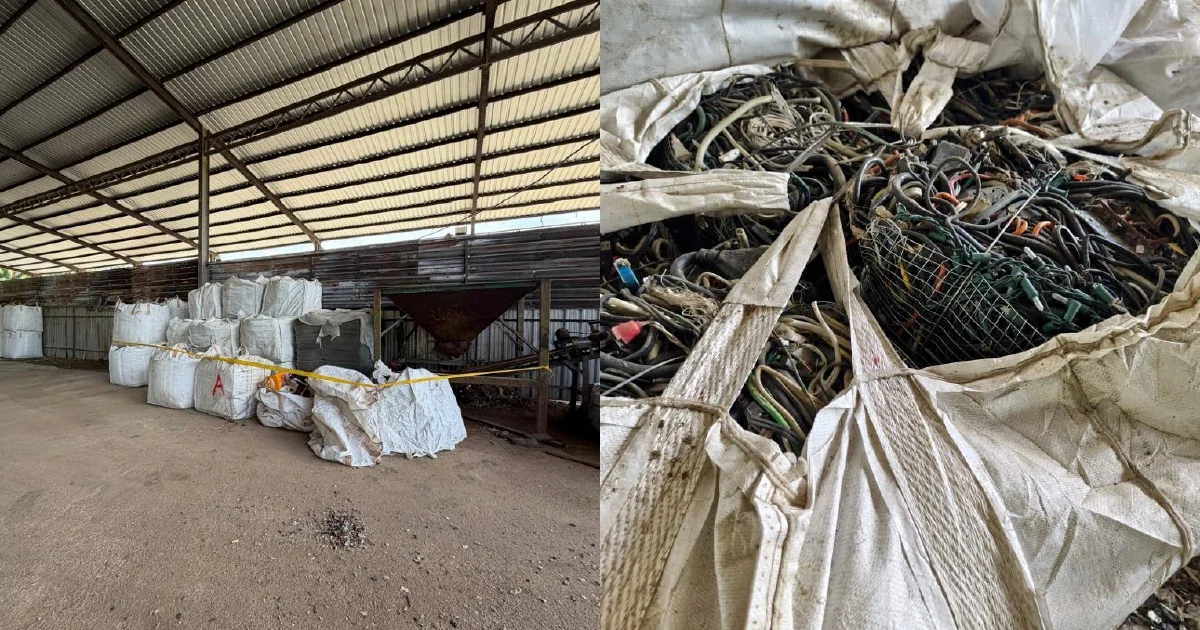
Environmental enforcement officials executed a major raid on an unlicensed electronic waste facility in Bukit Mertajam, leading to the seizure of materials estimated at RM3 million and the detention of five individuals connected to the operation. The action underscores intensifying efforts by authorities to curb illegal e-waste processing, which poses significant environmental and public health risks across the northern region.
The facility, which operated without proper licensing or regulatory oversight, was engaged in both processing and storing electronic waste materials. Such illicit operations typically involve the dismantling and sorting of discarded electronics to extract valuable components like copper, precious metals, and circuit boards, often using crude methods that release toxic substances into the environment. The scale of the seizure suggests the operation had been functioning on a substantial commercial basis, accumulating significant quantities of hazardous materials that were destined either for illegal export or resale in unregulated markets.
The detention of five individuals points to an organised enterprise rather than a small-scale informal operation. These suspects now face investigation under environmental and waste management legislation, which carries penalties including substantial fines and potential imprisonment depending on the severity of charges. The investigation will likely seek to establish the source of the waste materials, distribution channels, and whether the operation was part of a larger network of illegal e-waste processors operating across Peninsular Malaysia.
Illegal e-waste processing remains a persistent problem in Malaysia despite regulatory frameworks designed to prevent it. The country's rapid consumption of electronic goods, coupled with inadequate formal recycling infrastructure and the profitable nature of extracting materials from discarded devices, creates strong incentives for criminal operators. Unlike legitimate recyclers who invest in proper environmental controls and worker safety measures, illegal facilities cut corners drastically, exposing workers and surrounding communities to lead, mercury, cadmium, and other hazardous substances.
The Bukit Mertajam operation represents a particularly concerning case given the facility's location in a densely populated urban area. Residents nearby could have been exposed to contaminated air and water runoff from the processing activities. Heavy metals released during crude dismantling and smelting operations can persist in soil and groundwater, creating long-term environmental damage that affects agriculture, fisheries, and drinking water supplies across affected regions. The proximity to population centres amplifies the public health implications of such enforcement action.
Malaysia generates an estimated 340,000 tonnes of e-waste annually, with only a fraction processed through licensed facilities. The remainder enters informal channels, including illegal processing operations like the one dismantled in Bukit Mertajam. This gap between waste generation and legitimate processing capacity is a critical vulnerability that criminal operators exploit. The RM3 million valuation of seized materials reflects not only the quantity of waste collected but also the market demand for illegally processed electronic scrap, particularly from overseas buyers who acquire it at discounted rates despite its dubious provenance.
The enforcement action carries implications for regional e-waste management strategies. Southeast Asia has become a destination for e-waste from developed nations, often transported through complex supply chains designed to obscure its origin. Malaysia's position as a manufacturing and trading hub makes it vulnerable to becoming a transit point for illegal electronic waste destined for processing in countries with lax environmental standards. Authorities here must remain vigilant against operations that facilitate cross-border waste trafficking while simultaneously strengthening domestic recycling capacity to absorb locally generated e-waste.
The investigation into the five detained individuals may reveal connections to larger criminal networks involved in e-waste smuggling and processing. Intelligence gathered from this case could help authorities identify suppliers of raw materials and customers purchasing illegally processed components. Such networks often exploit the complexity of global supply chains, where processed materials from illegal facilities are mixed with legitimate salvage and difficult to trace back to their source. Disrupting these networks requires coordinated enforcement across multiple agencies and jurisdictions.
Legal e-waste recyclers in Malaysia have long complained about unfair competition from illegal operators who bypass environmental and labour standards. The seizure in Bukit Mertajam provides an opportunity to reinforce the message that environmental crimes carry serious consequences. However, enforcement actions alone cannot solve the underlying problem. Expanding the capacity and accessibility of licensed recycling facilities, raising public awareness about proper e-waste disposal, and strengthening producer responsibility schemes are essential complementary measures.
Authorities have indicated that investigations into the operation are ongoing, including efforts to trace the source of accumulated materials and identify potential buyers of processed components. The case also serves as a reminder that environmental crimes often involve organised criminal elements seeking profit from regulatory gaps. As Malaysia continues its development and faces growing electronic waste challenges, sustained enforcement coupled with investment in legitimate recycling infrastructure becomes increasingly critical to protecting both environmental integrity and public health.