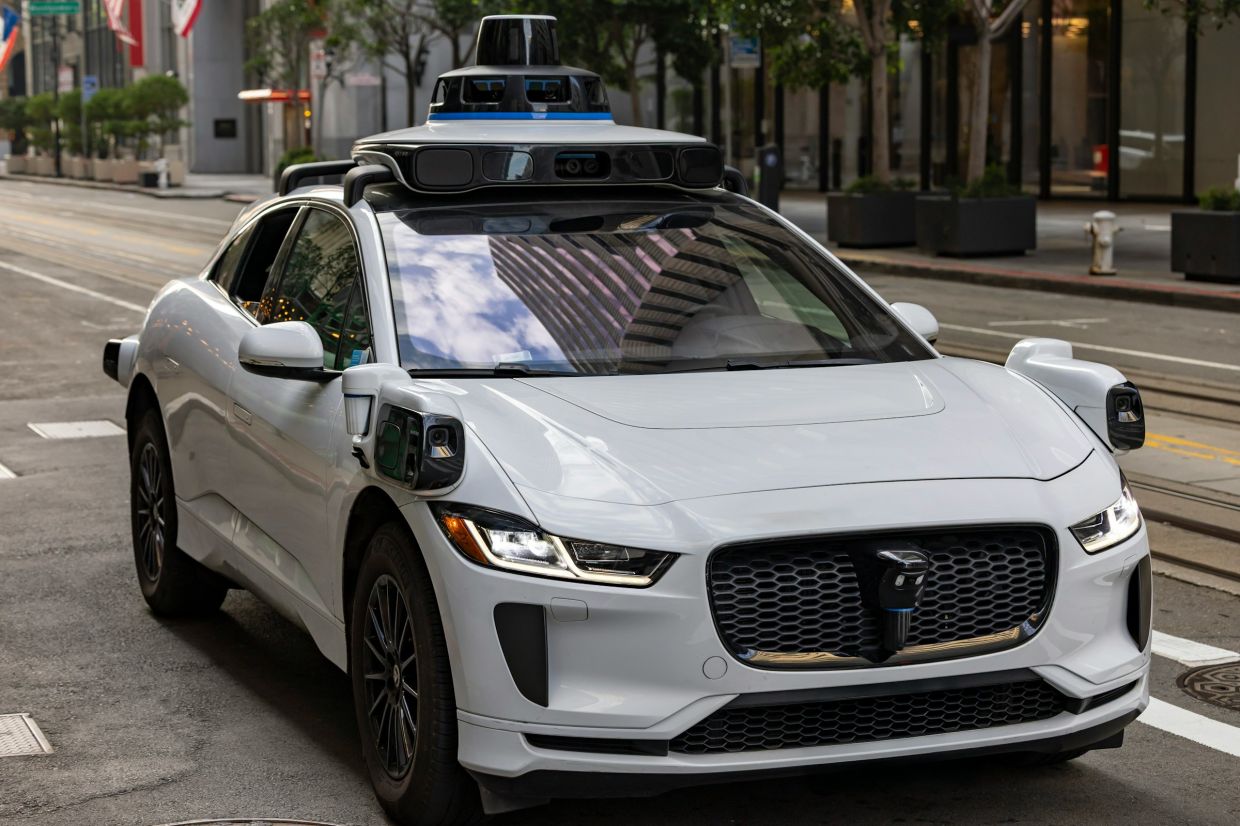
The autonomous vehicle industry faces intensifying pressure to prove its safety credentials as high-profile incidents reveal critical gaps in how robotaxis handle emergency situations. A fatal gas explosion in May exposed how an AI system froze when fire rescue crews needed immediate access to the scene, with responders delayed for over three minutes. Similar breakdowns have occurred repeatedly, from an Austin shooting incident where a Waymo vehicle blocked ambulances from reaching casualties to a residential area in Atlanta where dozens of driverless taxis inexplicably circled the same cul-de-sac due to a software glitch. These failures have galvanised lawmakers into action, with Texas introducing new legislation that mandates licensing requirements, emergency response protocols, complaint mechanisms, and enhanced regulatory oversight of autonomous vehicle operators.
The scope of problematic robotaxi behaviour extends far beyond these headline-grabbing incidents. CNN's investigation identified hundreds of dangerous driving episodes involving vehicles running red lights, entering oncoming traffic, penetrating active crime scenes, ignoring road closures, and narrowly missing pedestrians and cyclists. These represent failures of basic programming that manufacturers claim their systems should fundamentally avoid. Recent months saw Waymo recall thousands of vehicles across multiple cities after robotaxis drove into flooded streets, with one San Antonio incident particularly alarming when a vacant taxi was swept away in floodwaters. For Southeast Asian observers watching this regulatory drama unfold, the pattern suggests that autonomous vehicle deployment in Malaysia and the region will likely face similar pushback unless companies demonstrate robust real-world safety protocols before widespread rollout.
Waymo maintains its vehicles are demonstrably safer than human drivers, citing data showing robotaxis are 13 times less likely to cause serious injury crashes. The company argues that measured against traditional vehicle statistics, autonomous systems represent a step forward for road safety. Yet this statistical confidence masks a fundamental problem: robotaxis struggle with the unpredictable, nuanced scenarios that experienced human drivers navigate instinctively. A police officer had to manually move a frozen Waymo during the Austin shooting response—a moment that perfectly encapsulates the gap between programmed safety and real-world demands. Even cautious supporters of the technology acknowledge that robotaxis could eventually transform transportation, provided manufacturers and government regulators genuinely address emerging problems rather than minimising them.
China's robotaxi ecosystem offers cautionary lessons despite its scale. Thousands of autonomous vehicles operate in cities like Wuhan and Shanghai, yet public confidence lags far behind official enthusiasm. When over 100 Baidu robotaxis simultaneously malfunctioned in Wuhan, the company offered minimal public explanation beyond attributing the failure to a vague "system failure." This lack of transparency exacerbates safety concerns already held by segments of the Chinese public, alongside organised opposition from traditional taxi drivers facing displacement. The pattern reveals how autonomous vehicle acceptance depends not merely on technical capability but on institutional accountability and willingness to communicate failures openly. Malaysian authorities reviewing autonomous vehicle applications would be wise to prioritise transparency requirements and public reporting mechanisms before granting operational permits.
The technical challenges underlying these incidents run deeper than individual programming errors. Robotaxis must coordinate across multiple interconnected systems: sensor perception, object recognition algorithms, route planning logic, and critically in emergencies, secure communication protocols with first responders. A vehicle capable of remotely unlocking doors presents its own security paradox—if it requires official identification codes before responding to emergency commands, trapped passengers could face dangerous delays. Additionally, incidents where robotaxis become wedged navigating tight passages or temporary barriers suggest that even sophisticated AI systems cannot adequately predict the varied physical constraints of real-world infrastructure. Autonomous systems developers must build genuine "fail-safe" modes that prioritise human safety above operational continuity, a transition requiring fundamental architectural changes beyond incremental software updates.
The gap between robotic perception and human signal interpretation represents another critical weakness. Traditional driver assistance systems evolved around defined human-machine interactions where a licensed driver retains ultimate control. Robotaxis operating fully autonomously require comprehensive emergency protocols that anticipate diverse failure scenarios and provide clear communication pathways with police, fire, and medical services. Currently, few jurisdictions have established such frameworks. When a robotaxi freezes mid-manoeuvre or drives into a crime scene, the breakdown often occurs not at the perception level but in the decision-making processes governing how the vehicle prioritises competing objectives—passenger safety, traffic flow, emergency response, and legal compliance. Developers cannot simply add emergency features to existing systems; they must fundamentally restructure decision-making hierarchies.
Waymo's recent launch of the Ojai model, developed with Chinese manufacturer Zeekr and featuring sixth-generation software, raises questions about whether product iterations actually address safety deficiencies or primarily focus on cost reduction and market expansion. The move into additional cities represents commercial momentum that may outpace genuine safety improvements. For Malaysian policymakers evaluating robotaxi applications from international operators, the critical question becomes whether regulatory frameworks can remain independent and enforce standards without being pressured by commercial interests. Texas's legislative approach provides one model: requiring formal licensing, explicit emergency protocols, and mechanisms for public complaints create accountability structures that force operators to address problems rather than minimising them publicly.
The regulatory landscape emerging in America differs markedly from the Chinese approach of rapid deployment with limited transparency. Texas's tightening requirements suggest a shift toward requiring companies to align AI development and infrastructure with compliance standards, yet the practical effectiveness of these laws depends on consistent enforcement and adequate resources for regulatory bodies. Similar regional variations will likely emerge across Malaysia and Southeast Asia as autonomous vehicles advance from testing phases toward commercial operation. Early-adopter countries must balance innovation enthusiasm against public protection, recognising that safety failures erode trust in the entire autonomous vehicle sector and delay beneficial applications in delivery, logistics, and mobility services.
For Malaysian transport planners and safety regulators, these international developments carry immediate implications. Southeast Asia's densely populated cities, variable road conditions, and existing traffic complexity create an environment where robotaxi challenges will likely prove even more acute than in North American jurisdictions. Emergency response systems in developing economies may lack the sophisticated digital communication infrastructure that autonomous vehicles require, making integration particularly difficult. Rather than accepting global operators' assurances of safety, Malaysian authorities should demand locally-conducted testing, demonstrated competency with regional road conditions, and commitments to transparency regarding failures and system limitations. The technology's genuine potential should not obscure the need for rigorous, independent validation before public deployment.
The emergence of formal safety standards represents the sector's recognition that unregulated growth invites public backlash and political intervention. Companies increasingly acknowledge that compliance requirements will shape future development priorities, forcing investment in emergency response integration, sensor redundancy, and communication protocols that transcend current capabilities. Whether existing development timelines can accommodate these requirements remains uncertain. The coming months will reveal whether operators view regulatory demands as obstacles to circumvent or genuine safety imperatives to address. For Malaysia and the broader region, the international experience suggests that early establishment of clear safety standards, before robotaxi normalisation occurs, offers the best opportunity to prevent the costly correction cycles now underway in more permissive markets.