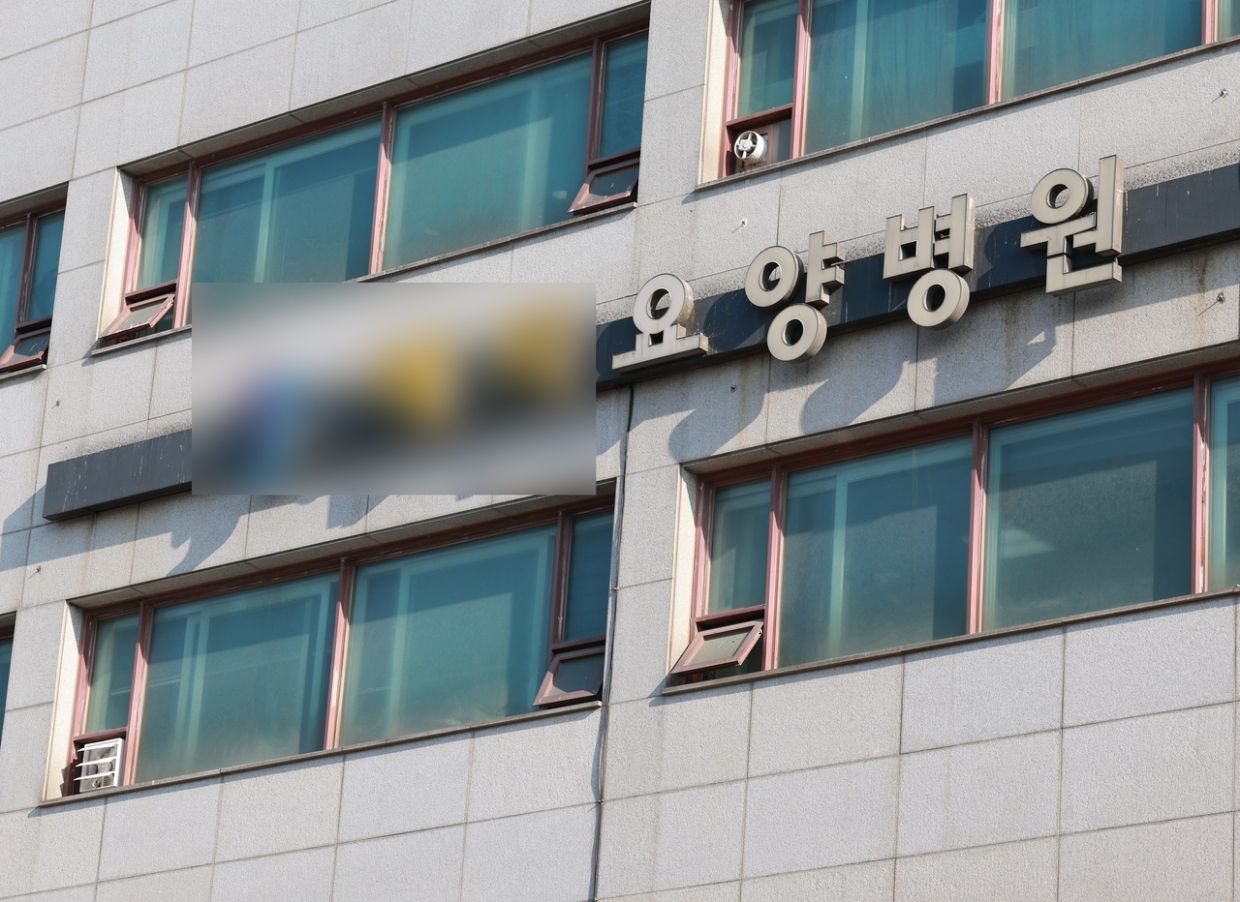
Police in Incheon have confirmed that a human leg discovered at a recycling facility last week was improperly discarded by a local hospital, marking the conclusion of an unusual investigation that has raised questions about medical waste management protocols in South Korea. The Incheon Yeonsu Police Station announced the findings on Friday, June 19, after the limb was initially found at the Southern Regional Resource Recovery Centre on June 10 at approximately 2.28pm, triggering an immediate investigation that would eventually trace the body part back to its source.
The leg had been surgically amputated from an elderly female patient in her 80s at a nursing hospital located in the Jung-gu district of Incheon. According to police statements, a cleaning staff member in his 60s inadvertently placed the limb into the general waste stream, having mistaken it for a discarded mannequin or prosthetic device rather than recognising it as actual human tissue requiring specialised disposal. This fundamental error in judgment set in motion a chain of events that would expose significant gaps in medical waste handling procedures at the facility.
The initial forensic assessment by South Korea's National Forensic Service determined that the leg belonged to an adult, prompting investigators to contact the Jung-gu hospital where staff voluntarily reported to police that the limb had likely originated from their facility. Subsequent DNA analysis confirmed the connection, establishing that the recovered leg had indeed come from the elderly female patient who had undergone amputation at the hospital. The discovery effectively eliminated any suspicion of foul play, as investigators confirmed the limb had been lawfully removed for medical reasons.
However, the benign nature of the leg's separation from the patient has not prevented the hospital from facing serious regulatory scrutiny. Under South Korea's Wastes Control Act, medical waste must be disposed of separately in government-designated containers, a requirement that was clearly violated when the amputated leg was processed as recyclable material. Investigators are now examining whether the hospital's protocols adequately reflected these legal obligations and whether staff received sufficient training in proper medical waste categorisation and disposal procedures.
The investigation has expanded beyond waste management concerns to encompass broader questions about the hospital's operational standards. Police are reviewing potential violations of the Medical Service Act related to the amputation procedure itself, particularly given allegations that the nursing hospital may lack the necessary equipment and facilities to perform such surgical interventions. While authorities have not issued definitive conclusions on this matter, the suggestion that a complex surgical procedure may have been conducted at a facility inadequately equipped for such work raises significant patient safety implications.
The family of the elderly patient has provided crucial context to investigators, revealing that the woman had sought admission to the nursing hospital after other medical facilities refused to accept her due to her rapidly deteriorating health condition. This detail suggests a situation where options were limited and the patient may have been placed in a vulnerable position, underscoring the importance of rigorous oversight of healthcare providers who serve elderly patients with complex medical needs. The circumstances surrounding her treatment highlight the intersection of medical ethics, facility capabilities, and regulatory compliance.
Police officials have indicated that determining appropriate criminal penalties remains uncertain, as they identified no specific legal clause within the Medical Service Act that directly addresses this particular scenario. Consequently, the investigation has entered a consultation phase where authorities plan to engage with the Korean Medical Association, the Ministry of Health and Welfare, and legal experts to determine the proper course of action. This deliberative approach reflects the complexity of the case and the need to balance accountability with careful interpretation of existing regulations.
For Malaysian readers and regional healthcare observers, this incident underscores the importance of robust medical waste management systems across Southeast Asia. Countries in the region managing large healthcare sectors and aging populations must ensure that hospitals, nursing facilities, and surgical centres maintain strict protocols for handling biohazardous materials. The Incheon case demonstrates how lapses in staff training, unclear responsibility structures, or inadequate physical infrastructure can lead to breaches that violate both environmental and public health standards.
The broader implications extend to questions about oversight of private nursing facilities and smaller medical institutions that may operate with less stringent regulatory supervision than large tertiary hospitals. In many Southeast Asian contexts, such facilities play an increasingly significant role in elder care, making it essential that national authorities establish and enforce clear standards for medical waste disposal across all healthcare settings regardless of size or specialisation. The South Korean investigation suggests that good intentions and general awareness are insufficient without systematised procedures and regular compliance verification.
As South Korean investigators consult with relevant agencies and professional bodies, their findings may influence how other regional healthcare systems approach medical waste governance. The case also serves as a reminder that implementing comprehensive training programmes for all hospital staff, from medical professionals to cleaning and support personnel, remains fundamental to maintaining safe and compliant operations. In an era when healthcare systems across Asia are expanding and modernising, establishing strong foundational practices in areas like waste management can prevent similar incidents and protect both public health and environmental integrity.

%22%2F%3E%3C%2Fpattern%3E%3C%2Fdefs%3E%3Crect%20width%3D%22100%25%22%20height%3D%22100%25%22%20fill%3D%22url(%23ph4dnbsg)%22%2F%3E%3Crect%20width%3D%22100%25%22%20height%3D%22100%25%22%20fill%3D%22url(%23ph4dnbsp)%22%2F%3E%3Ctext%20x%3D%2250%25%22%20y%3D%2250%25%22%20text-anchor%3D%22middle%22%20dominant-baseline%3D%22central%22%20fill%3D%22rgba(255%2C255%2C255%2C0.95)%22%20font-family%3D%22Georgia%2C%20'Times%20New%20Roman'%2C%20serif%22%20font-weight%3D%22700%22%20font-size%3D%22170%22%20letter-spacing%3D%22-0.02em%22%3EMalaysia%3C%2Ftext%3E%3C%2Fsvg%3E)