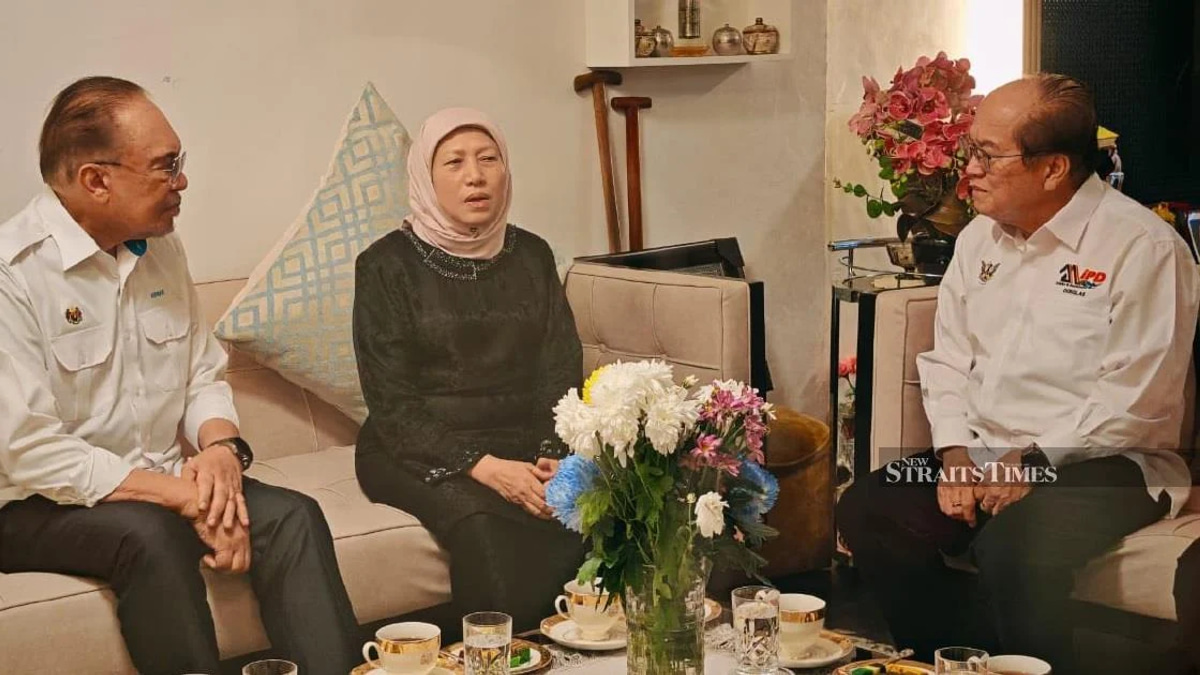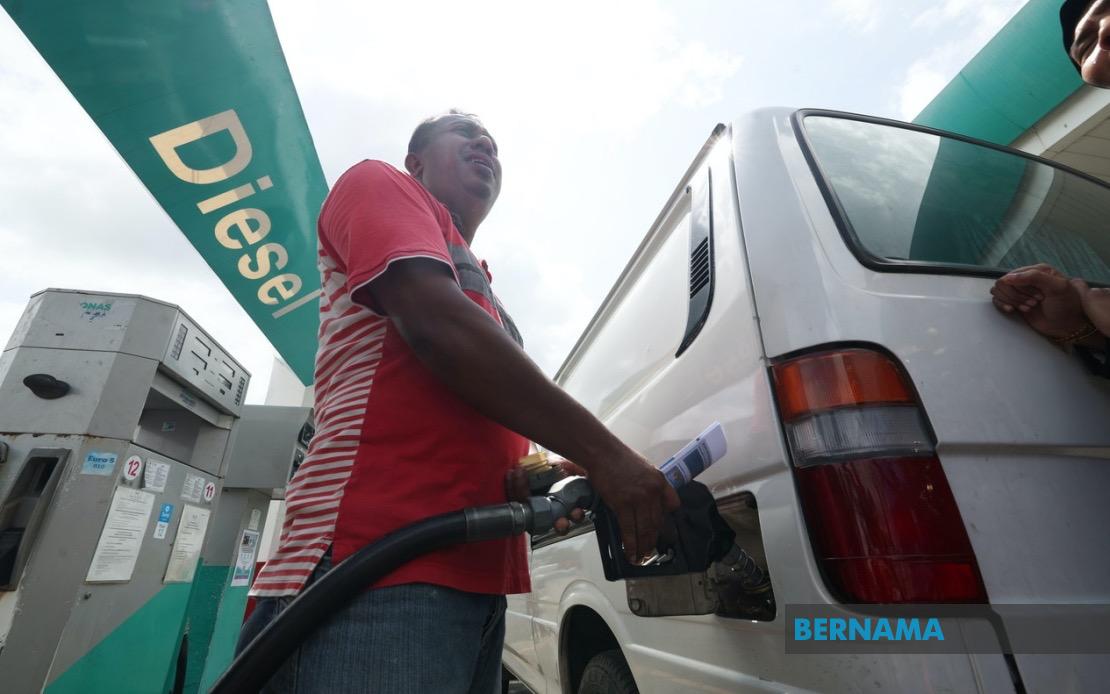
Prime Minister Datuk Seri Anwar Ibrahim has unveiled a significant adjustment to Malaysia's fuel subsidy framework, announcing that subsidised diesel will be priced at RM2.10 per litre starting July 2026. The announcement, made during an official ceremony in Bintulu, marks a continuation of the government's broader reform agenda to restructure fuel support mechanisms and improve fiscal efficiency across the energy sector.
The new pricing structure represents part of a coordinated strategy to reform how Malaysia distributes fuel subsidies to its citizens. Rather than maintaining blanket price controls that benefit all consumers regardless of income, the government is transitioning towards a more targeted approach that concentrates subsidies on those most in need. This methodology mirrors the existing BUDI MADANI RON95 programme, which has established a template for means-tested fuel assistance and proven effective in directing resources more efficiently.
A critical component of the revised subsidy system involves MyKad verification, which will serve as the gateway for determining subsidy eligibility. This digital authentication mechanism enables the government to cross-reference purchase patterns and income levels, creating a framework that filters fuel subsidies toward qualifying Malaysians. The technology-enabled approach reduces opportunities for subsidy leakage through smuggling or cross-border arbitrage, issues that have historically eroded the effectiveness of Malaysia's fuel support programmes.
The timing of this policy shift reflects broader economic considerations facing the Malaysian government. Rising crude oil prices, global energy market volatility, and the substantial fiscal burden of maintaining universal fuel subsidies have created mounting pressure on the federal budget. By narrowing the beneficiary pool and introducing price signals through a higher-than-previous regulated rate, policymakers aim to contain subsidy expenditure while protecting vulnerable populations from fuel price shocks.
For Malaysian consumers, the implications are layered. Lower-income households verified through the MyKad system will continue accessing subsidised fuel at RM2.10 per litre, providing meaningful protection against international oil price fluctuations. However, consumers outside the targeted subsidy framework will face market-linked pricing, creating a two-tier system that encourages more efficient fuel consumption patterns and aligns retail prices more closely with underlying cost structures.
Finance Minister II Datuk Seri Amir Hamzah Azizan was scheduled to elaborate on implementation details during a media briefing in Kuala Lumpur, signalling that technical specifications, eligibility criteria, and rollout timelines would be disclosed through official channels. Such announcements typically address administrative procedures for verification, potential phase-in periods for market adjustment, and contingency measures should global oil prices spike unexpectedly.
The announcement carries particular relevance for Malaysia's transportation and logistics sectors, where diesel costs represent a substantial operational expense. Haulage companies, public transport operators, and agricultural enterprises have historically relied on subsidised fuel rates to maintain competitiveness. The transition to targeted subsidies may necessitate business model adjustments, particularly for firms whose profit margins depend on historically low fuel costs. However, industries serving subsidy-eligible segments may retain cost advantages that sustain their economic viability.
Regionally, Malaysia's subsidy reform reflects a trend among Southeast Asian economies grappling with similar fiscal pressures. Indonesia, Thailand, and the Philippines have pursued comparable targeted subsidy schemes to balance social welfare objectives against budgetary constraints. Malaysia's approach positions the country within a broader regional conversation about subsidy efficiency and the optimal balance between price controls and market mechanisms.
The policy also intersects with Malaysia's longer-term energy transition strategy. As the government progressively implements targeted fuel pricing, it creates implicit incentives for consumers to consider alternative fuels and more efficient vehicles. Electric vehicle adoption and biofuel blending initiatives become relatively more attractive when petrol and diesel prices reflect fuller cost recovery. This layered approach allows energy policy and fiscal policy to reinforce one another without requiring dramatic, economically disruptive price adjustments.
From a governance perspective, the MyKad-based verification system demonstrates an expanding application of digital identity infrastructure for targeted policy delivery. Beyond fuel subsidies, this technological capability creates pathways for refined targeting of other assistance programmes, potentially improving the government's capacity to concentrate resources on citizens facing genuine need while reducing coverage leakage to unintended beneficiaries.
The RM2.10 per litre price point represents a deliberate policy choice that maintains meaningful subsidy protection while signalling a transition toward greater market orientation. This positioning avoids the shock of abrupt subsidy removal while establishing a glide path toward fuller cost recovery. It reflects a pragmatic attempt to balance fiscal sustainability with the political economy of energy pricing, an eternally challenging equilibrium that policymakers must continually recalibrate as global conditions evolve.
%22%2F%3E%3C%2Fpattern%3E%3C%2Fdefs%3E%3Crect%20width%3D%22100%25%22%20height%3D%22100%25%22%20fill%3D%22url(%23ph40ds4g)%22%2F%3E%3Crect%20width%3D%22100%25%22%20height%3D%22100%25%22%20fill%3D%22url(%23ph40ds4p)%22%2F%3E%3Ctext%20x%3D%2250%25%22%20y%3D%2250%25%22%20text-anchor%3D%22middle%22%20dominant-baseline%3D%22central%22%20fill%3D%22rgba(255%2C255%2C255%2C0.95)%22%20font-family%3D%22Georgia%2C%20'Times%20New%20Roman'%2C%20serif%22%20font-weight%3D%22700%22%20font-size%3D%22151%22%20letter-spacing%3D%22-0.02em%22%3EFollowing%3C%2Ftext%3E%3C%2Fsvg%3E)