%22%2F%3E%3C%2Fpattern%3E%3C%2Fdefs%3E%3Crect%20width%3D%22100%25%22%20height%3D%22100%25%22%20fill%3D%22url(%23ph4gxmvg)%22%2F%3E%3Crect%20width%3D%22100%25%22%20height%3D%22100%25%22%20fill%3D%22url(%23ph4gxmvp)%22%2F%3E%3Ctext%20x%3D%2250%25%22%20y%3D%2250%25%22%20text-anchor%3D%22middle%22%20dominant-baseline%3D%22central%22%20fill%3D%22rgba(255%2C255%2C255%2C0.95)%22%20font-family%3D%22Georgia%2C%20'Times%20New%20Roman'%2C%20serif%22%20font-weight%3D%22700%22%20font-size%3D%22226%22%20letter-spacing%3D%22-0.02em%22%3ETengku%3C%2Ftext%3E%3C%2Fsvg%3E)
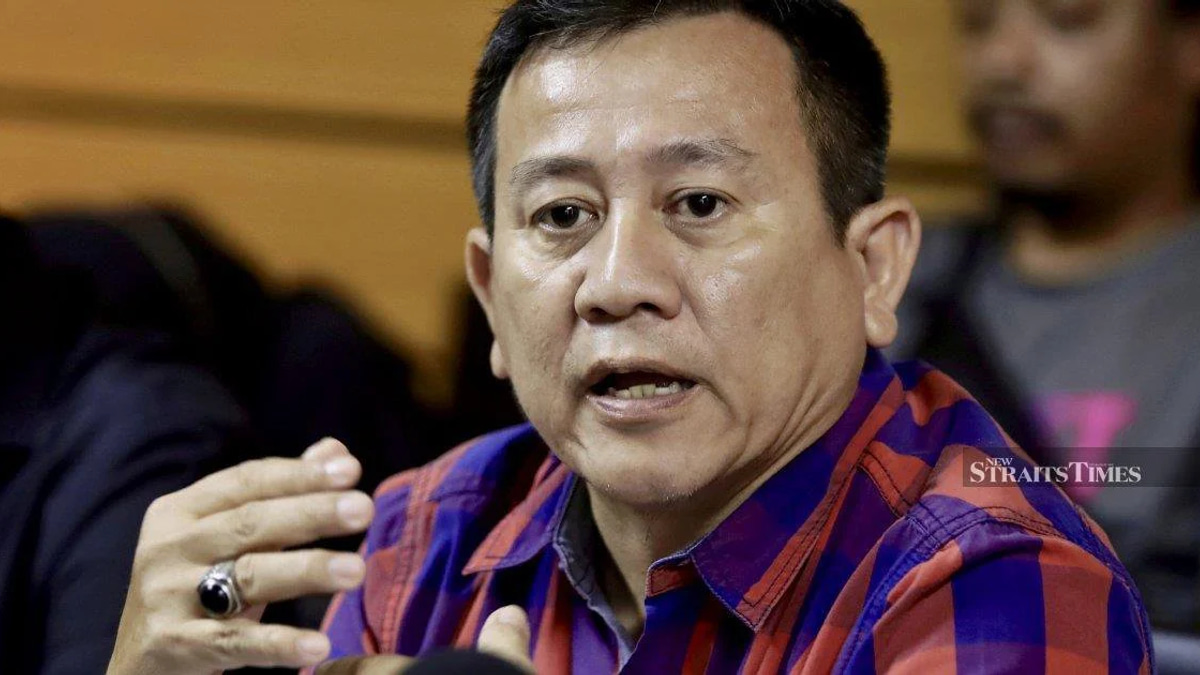
Tengku Datuk Seri Zafrul Tengku Abdul Aziz, who serves as Senior Political Adviser to the Prime Minister, has hinted at joining Malaysia's electoral arena by seeking a parliamentary seat in Selangor for the forthcoming general election. His remarks, made during recent engagements, suggest a carefully considered move into electoral politics following a career spanning government advisory roles and private sector leadership.
The senior adviser has specifically highlighted the constituency of Pandan as a potential avenue for his candidacy, noting that demographic and electoral boundary changes have created new opportunities within the state. This observation carries weight given Selangor's significance as the nation's most populous state and a crucial battleground for political coalitions. Parliamentary representation from Malaysia's economic heartland remains hotly contested among competing political entities, making any senior figure's decision to contest there a matter of wider political consequence.
Zafrul's groundwork in the Ampang area appears central to his strategic calculation. By nurturing local connections and visibility in this established district, he has reportedly been building the organisational foundations necessary for a credible electoral challenge. Such constituency-level preparation reflects modern Malaysian electoral practice, where candidate success increasingly depends on established community networks and demonstrated engagement with constituent concerns rather than party machinery alone.
His interest in pursuing elected office marks a notable shift for a figure whose influence has traditionally emanated from advisory and institutional positions close to the prime minister's office. Senior political advisers typically operate behind the scenes, shaping policy and strategy without the visibility and electoral accountability that parliamentary seats demand. This potential transition suggests either shifting personal ambitions or perhaps a strategic repositioning that his political patrons deem valuable for strengthening government representation in Selangor.
The timing of these signals is significant as Malaysia's electoral cycle enters a period where speculation about candidatures naturally intensifies. General election cycles in Malaysia typically allow ruling coalitions considerable flexibility in determining the timing of contests, and senior figures often test the electoral waters through careful public messaging before formal announcements. Tengku Zafrul's recent communications appear to follow this pattern, offering hints rather than definitive commitments.
For the ruling coalition, securing strong parliamentary representation in Selangor remains strategically vital. The state's mix of urban, suburban, and semi-rural constituencies means that electoral performance there substantially influences overall national outcomes. A candidate combining advisory expertise, established political connections, and demonstrated grassroots presence could represent a valuable asset in competitive constituencies where contests frequently swing on narrow margins and local incumbent strength.
The emphasis on Pandan's changed electoral boundaries also warrants examination. Constituency delimitation exercises regularly reshape Malaysia's electoral map, and savvy political operators monitor these changes to identify seats that might offer improved winning prospects. By publicly noting the vacant opportunity and boundary modifications, Tengku Zafrul demonstrates the analytical approach increasingly common among would-be candidates who study demographic shifts and electoral arithmetic before committing resources.
Ampang itself presents interesting characteristics for political candidates. The parliamentary constituency encompasses diverse communities with varying economic circumstances and political preferences, requiring candidates to navigate complex local dynamics. Extended grassroots work in such areas builds name recognition and community trust that proves difficult for opponents to displace, explaining why Tengku Zafrul's reported activities there deserve attention as electoral positioning.
His background in government advisory work and corporate experience could prove either advantageous or challenging during electoral campaigns. Voters increasingly scrutinise candidates' professional records and ethical conduct, meaning that any controversial decisions or associations from previous roles might attract opposition scrutiny. Conversely, accomplishments in advisory or corporate contexts could be deployed as evidence of competence and decisiveness.
The broader context involves Malaysia's evolving political landscape following multiple election cycles that have produced fluid coalitions and shifting voter preferences. Established political figures continually recalibrate their strategies to maintain relevance and influence. For some, this means greater direct electoral participation; for others, continued advisory roles remain preferable. Tengku Zafrul's deliberation about contesting Selangor reflects these dynamics at work within Malaysian political circles.
Should Tengku Zafrul proceed to formal candidacy, his entry would add another notable name to an increasingly crowded Selangor field. The state's electoral contests have attracted prominent personalities from various political backgrounds, creating multi-cornered contests where victory margins frequently narrow. His established networks and advisory background might distinguish him from newcomers to electoral politics, though he would simultaneously face questions about his responsiveness to constituent needs compared with full-time local representatives.
The implications for Selangor's political future remain uncertain pending formal announcements. What appears clear is that senior government figures continue viewing state parliamentary seats as valuable prizes worth pursuing, and that the boundary changes creating new electoral opportunities continue shaping calculations about candidacy and electoral strategy across Malaysia's political establishment.