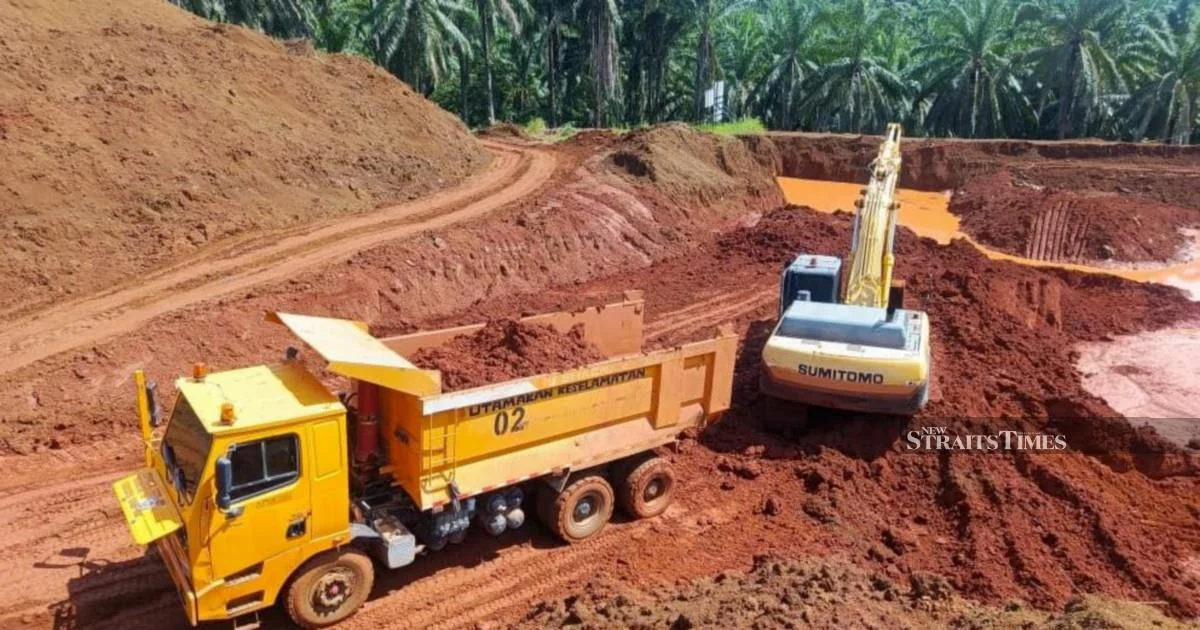
Law enforcement agencies have made headway in combating illegal mining operations in Terengganu, with the arrest of two men connected to an unlicensed silica sand transfer scheme in Marang yesterday. The enforcement action also culminated in the seizure of industrial equipment estimated to be worth RM1.8 million, marking a significant blow against organised extraction networks operating in the state.
The silica sand trade has become increasingly scrutinised across Malaysia due to its environmental implications and the prevalence of unauthorised mining activities. Silica sand, a crucial raw material for construction, glass manufacturing, and semiconductor production, commands substantial market value, making it an attractive target for criminal operations that circumvent regulatory frameworks. The uncontrolled extraction of such materials can lead to severe ecological damage, including habitat destruction, water contamination, and landscape degradation that affects local communities and agricultural productivity.
The Marang district in Terengganu has historically been a region where mineral extraction activities occur, given its geological composition and accessibility. However, the proliferation of illegal operations has strained local resources and created enforcement challenges for authorities tasked with maintaining order across the state's mining sector. The successful interception of this particular operation reflects ongoing efforts by relevant government bodies to tighten oversight and prosecute those circumventing mineral licensing requirements.
The machinery seized during the operation represents considerable financial investment in illegal extraction infrastructure. By removing equipment of this scale from circulation, authorities not only disrupt the immediate operation but also create a deterrent effect aimed at discouraging future ventures into unlicensed mining. The valuation of RM1.8 million underscores the substantial profit margins driving these underground enterprises and the resources that organised groups are willing to deploy.
Authorities typically pursue charges related to mineral extraction offences under the Mining Enactment and Environmental Quality Act, which carry penalties ranging from substantial fines to imprisonment. The individuals arrested will likely face investigation to determine the extent of their involvement and potential links to larger supply networks distributing illegally sourced materials to buyers in construction, manufacturing, and other industrial sectors.
The enforcement operation highlights the complexities surrounding natural resource management in Malaysia's states. While mineral extraction supports economic activity and employment, the regulatory framework must balance commercial interests with environmental protection and sustainable resource management. Illegal operations circumvent these safeguards, creating unfair competition against licensed operators while externalising environmental costs to communities.
From a regional perspective, the silica sand trade connects to broader patterns of resource extraction across Southeast Asia. Many neighbouring countries face similar challenges with illegal mining, smuggling, and inadequate enforcement due to limited manpower and technical capacity. Coordinated efforts at the regional level remain crucial for preventing operators from simply relocating to more permissive jurisdictions.
For Malaysian readers, particularly those in Terengganu and surrounding states, the ramifications extend beyond criminal prosecution. Illegal mining operations can threaten water supplies, contaminate agricultural soil, and create public safety hazards. Communities dependent on local water sources or engaged in farming face heightened risks from unregulated extraction activities. The enforcement action therefore carries significance for environmental security and public health.
The arrest of these two individuals represents incremental progress, but enforcement experts acknowledge that dismantling organised mining networks requires sustained investigation, intelligence gathering, and resource allocation. A single operation, while valuable, typically addresses symptoms rather than root causes. To achieve meaningful impact, authorities must identify and pursue the broader ecosystem supporting illegal mining, including buyers, transporters, and middlemen facilitating the distribution chain.
The financial scale of this operation—with RM1.8 million in equipment alone—suggests profitability sufficient to motivate continued criminal activity despite enforcement risks. This reality underscores why penalties must be credible and severe enough to deter participation. Cases are most effective when they result in successful prosecution, substantial sentences, and asset forfeiture that genuinely impacts perpetrators' economic calculations.
Moving forward, coordination between state and federal agencies, enhanced monitoring of equipment purchases, and intelligence sharing with customs authorities could strengthen enforcement effectiveness. Technology such as satellite monitoring and GPS tracking of machinery has proven useful in other jurisdictions for identifying and tracking unauthorised mining sites in real time.
The Marang operation demonstrates that enforcement remains active, but questions persist regarding the adequacy of resources devoted to environmental crime compared to other enforcement priorities. As Malaysia pursues sustainable development goals and seeks to enhance its environmental stewardship credentials, strengthening mineral extraction oversight will remain critical for protecting both natural resources and community wellbeing.

