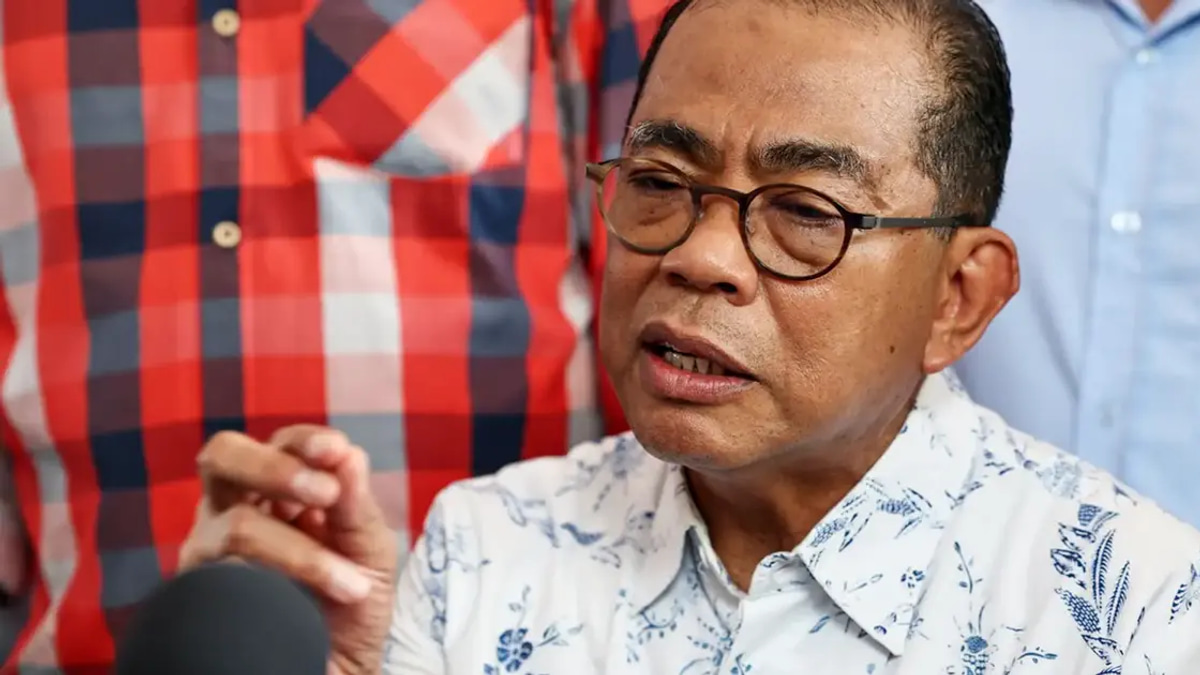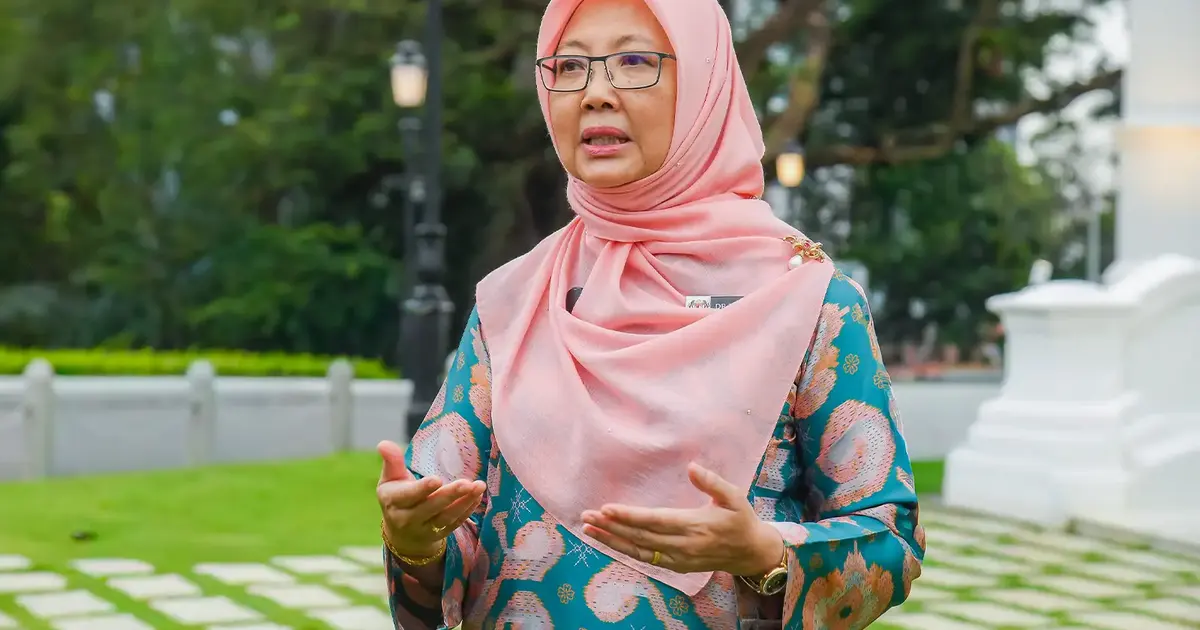
PKR vice-president Zaliha Sapari has questioned the rationale behind Johor BN chairman Onn Hafiz Ghazi's public call for the opposition coalition to name its chief ministerial candidate before the state election, pointing out that there is no guarantee such a person would actually be appointed to the position. Her remarks reflect growing political manoeuvring in Johor as the state gears up for crucial electoral contests that could reshape the political landscape of Malaysia's southern gateway.
Zaliha's bewilderment highlights a fundamental disconnect in the campaign strategies being deployed by rival camps in Johor. By requesting that Pakatan Harapan put forward a named candidate for menteri besar before the election, Onn Hafiz appears to be setting a trap that could undermine the opposition's flexibility in government formation. Should Pakatan Harapan win the election, having pre-announced a specific individual as chief minister would constrain its room for negotiation and coalition-building with potential partners, particularly independent candidates or representatives from smaller parties who might hold the balance of power in a closely contested outcome.
The PKR official's puzzlement also underscores the inherent uncertainties in Malaysia's political system, where electoral outcomes do not automatically translate into straightforward executive appointments. Even in states where one coalition or party secures a majority of seats, internal negotiations, personal dynamics, and coalition mathematics can significantly influence who ultimately becomes menteri besar. By demanding transparency about this appointment before the election, Onn Hafiz may be attempting to box in the opposition while simultaneously highlighting any internal discord within Pakatan Harapan about leadership preferences.
Johor represents particularly sensitive political terrain given its historical dominance by the Barisan Nasional coalition and its strategic importance to both major political blocs in Malaysia. The state, home to over four million people and a crucial economic hub, has been a traditional stronghold of BN politics, though recent electoral cycles have seen increasing competition from opposition parties. Any shift in Johor's political direction could have ripple effects across the nation, influencing federal-level dynamics and the broader balance between the ruling and opposition coalitions.
Zaliha's response also reflects the calculated ambiguity that opposition coalitions often maintain during election campaigns. By declining to name a specific menteri besar candidate before polling day, Pakatan Harapan preserves its strategic options and prevents opponents from launching targeted personal attacks against a single identified figure. This approach also allows the coalition to keep internal negotiations private and avoid public feuds over who should hold the top state post, which could demoralise supporters or alienate key constituencies. Such discretion, while sometimes frustrating to voters seeking clear leadership clarity, is a pragmatic element of coalition politics in Malaysia.
From the BN perspective, Onn Hafiz's demand may be designed to expose what the ruling coalition characterises as a lack of clear vision or internal dysfunction within Pakatan Harapan. By publicly calling for the opposition to name a candidate, BN can frame Pakatan Harapan as unwilling to commit to a specific agenda or leadership team. Conversely, if Pakatan Harapan does name someone, the opposition coalition risks that individual becoming a lightning rod for criticism or personal attacks that could affect voter sentiment. Either way, the demand serves BN's narrative purposes heading into the election.
The exchange also reflects broader questions about democratic governance and transparency in Malaysian politics. Voters frequently express frustration that they do not know who will lead them after an election, particularly in coalition scenarios where kingmakers hold significant influence over executive appointments. Yet the current system accommodates, and sometimes requires, such post-election negotiations and surprises. Balancing voter expectations for clarity with the political flexibility that coalitions require remains an unresolved tension in Malaysia's electoral practice.
Within Pakatan Harapan itself, Zaliha's public response suggests confidence that the coalition is unified enough to campaign without internal competition over the menteri besar position becoming a distraction. PKR, as the largest component party in Pakatan Harapan, might reasonably expect significant influence over who becomes chief minister should the coalition win in Johor, yet keeping this matter strategically unclear maintains cohesion across the coalition's multiple parties and factions.
The Johor political contest also cannot be divorced from national politics. Any significant gains or losses by either coalition in the state would influence perceptions about the trajectory of Malaysian politics and potentially affect the stability of federal government arrangements. This is particularly relevant given Malaysia's complex political environment, where state-level electoral results frequently shift the balance at federal level and influence the calculations of individual politicians and parties about coalition alignments and government survival.
Zaliha's refusal to be drawn into naming a poster boy candidate, while expressing puzzlement at the demand itself, represents a careful political stance that preserves Pakatan Harapan's strategic interests while subtly attacking the logic of the BN chairman's request. As Johor campaigns intensify, such strategic wordplay and positioning will likely feature prominently as both coalitions compete for voter support and attempt to frame the terms of political competition.