Innovent Doses First Patient in Phase 3 Study of IBI363 for Advanced Colorectal Cancer in China
The pivotal trial pairs the PD-1/IL-2α-biased bispecific fusion protein with bevacizumab in patients who have failed standard therapy.
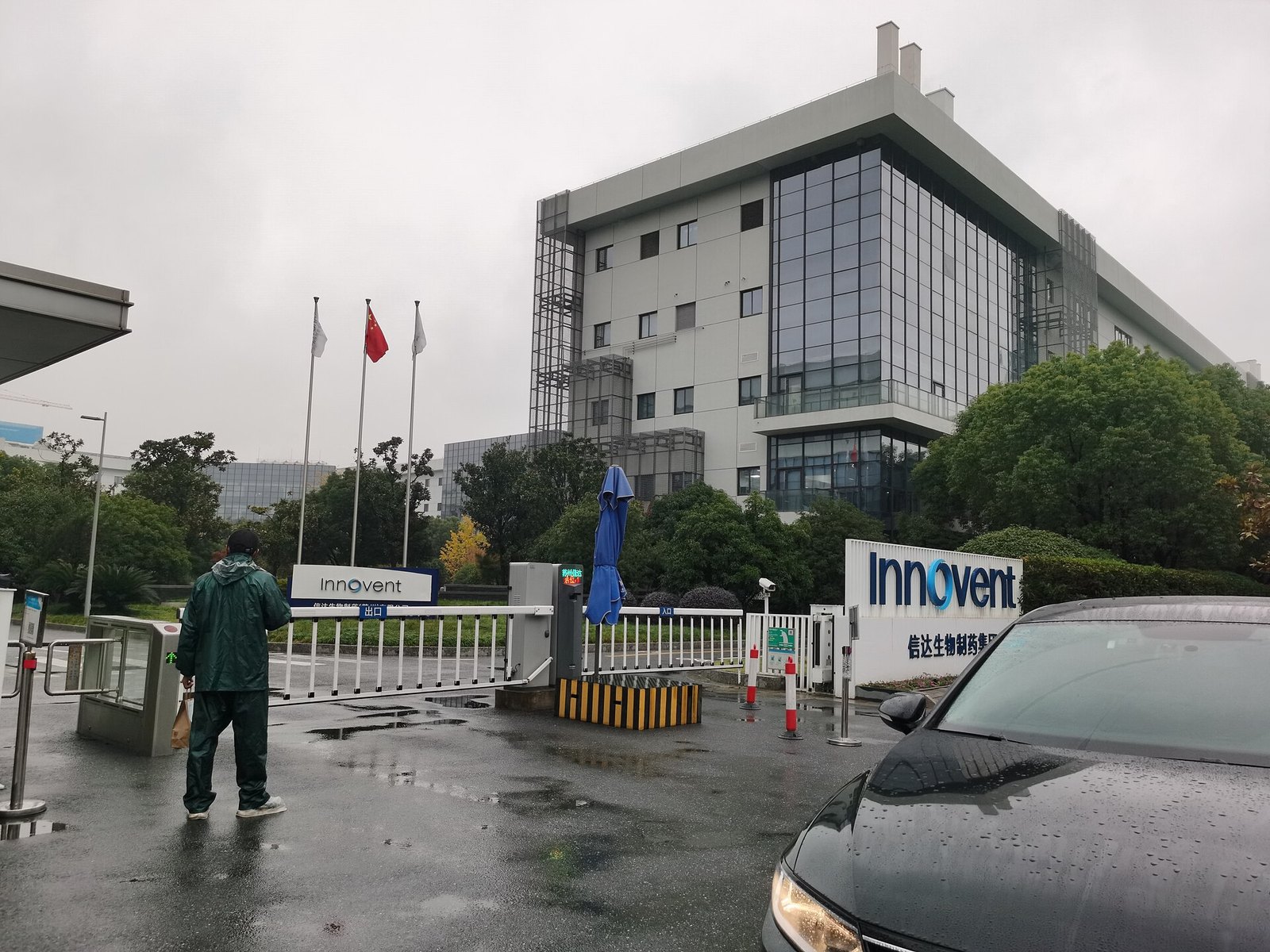
SAN FRANCISCO/SUZHOU — Innovent Biologics, Inc. (HKEX: 01801) has announced that the first patient has been dosed in a pivotal study of IBI363 (Takeda R&D code: TAK-928), a potential first-in-class PD-1/IL-2α-biased bispecific fusion protein, in combination with bevacizumab versus investigator's choice of therapy in patients with advanced colorectal cancer (CRC) refractory to or intolerant of standard treatment.
It is the third pivotal registrational study initiated for IBI363. Earlier studies include a pivotal Phase 2 trial (NCT07217301) in China for immuno-oncology-naïve melanoma of the acral and mucosal subtypes, and a global multi-centre Phase 3 trial (NCT06797297) in IO-resistant squamous non-small cell lung cancer.
The new trial (NCT07722494) is a multicentre, randomised, open-label Phase 3 study planning to enrol 550 patients, with overall survival (OS) as the primary endpoint. It is being conducted in China, where Innovent holds development and commercialisation rights. Under a licence and collaboration agreement, Innovent and Takeda are co-developing IBI363/TAK-928 globally and will co-commercialise it in the United States, while Takeda will exclusively commercialise it outside the US and greater China.
Phase 1 data presented as an oral presentation at the 2025 ASCO Annual Meeting showed a confirmed objective response rate of 15.1% and a disease control rate of 61.6% among 73 patients on the combination. Progression-free survival reached 4.7 months at a median follow-up of 9.9 months, while OS data remained immature at a median follow-up of 9.4 months, with only 13 events (17.8%). Grade 3 or higher treatment-related adverse events occurred in 35.6% of the combination group, most commonly arthralgia, anaemia, rash and hypothyroidism. No new safety signals were observed.
In May 2026, based on updated long-term follow-up data, the combination received Breakthrough Therapy Designation from the Center for Drug Evaluation of China's National Medical Products Administration, for advanced microsatellite stable (MSS) or mismatch repair-proficient (pMMR) CRC that has progressed on two or more prior lines of standard therapy.
Principal investigator Professor Kefeng Ding of the Second Affiliated Hospital of Zhejiang University School of Medicine said colorectal cancer ranks third in incidence and second in mortality among malignant tumours worldwide, and that about 86% of cases are in an immune-desert or immune-suppressed state, unresponsive to traditional immune checkpoint inhibitors. IBI363's dual mechanism "holds the promise of turning 'cold' tumours 'hot'", he said.
Professor Tao Zhang of Union Hospital, Tongji Medical College, Huazhong University of Science and Technology, also a principal investigator, said options become extremely limited after second-line or later failure, particularly for MSS patients who are largely insensitive to current checkpoint inhibitors.
This article was produced with the assistance of artificial intelligence (AI), in accordance with our editorial policy.