Iran Demands Inbound Control of Hormuz, Oversight of Outbound Traffic
A source involved in the talks says Tehran wants control over ships entering the Strait of Hormuz, while outbound vessels would sail an Iran-Oman route cleared through Muscat.
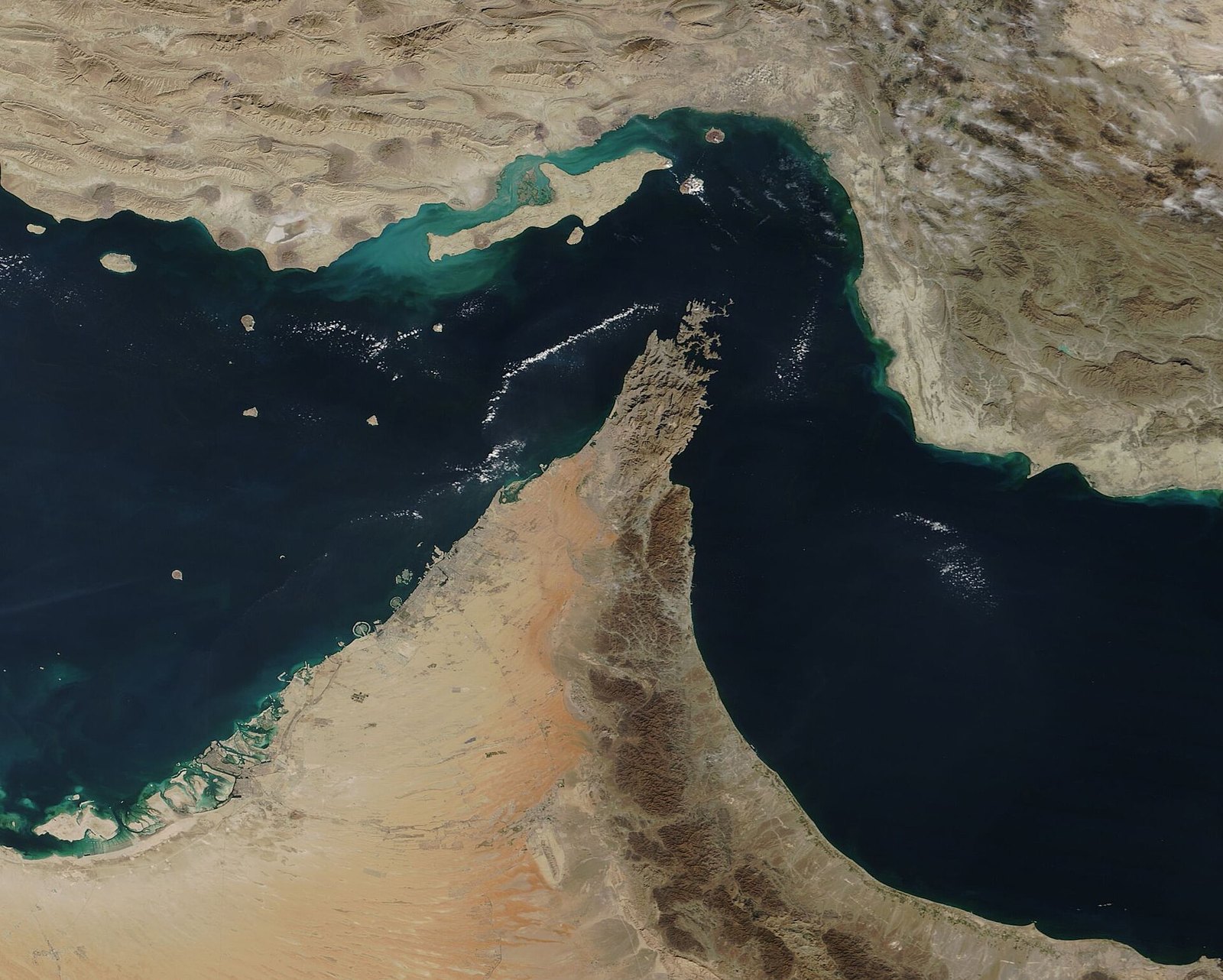
Iran is demanding control over inbound traffic through the Strait of Hormuz and oversight of outbound shipping, according to a source involved in the talks.
The source said this is "the general idea currently being discussed", specifying that the outbound lane would follow a route between Iran and Oman, with exit clearance granted through Oman after notifying Iran.
"Tehran is unlikely to change its position," the source added, saying Tehran had already shown flexibility by moving from its initial position of seeking full control over traffic in both directions in the strait.
Last month, Iran rejected an Omani proposal for an equal division of transit routes between the two countries, which Tehran said failed to address its security concerns until long-term regional stability is achieved.
Control of the strait — the narrow waterway between the Gulf and the Indian Ocean that is the main route for about a fifth of world oil supplies and other vital goods — has been a main sticking point in efforts to end the US-Israeli war on Iran.
The waterway has been largely blocked since the start of the war in late February, and the dispute over Hormuz remains a central point of contention.
Washington says June's memorandum of understanding with Tehran to halt the war required Iran to reopen the strategic waterway, while Tehran says the text explicitly preserved its authority over shipping traffic.
Before the war, shipping passed freely through the strait, which lies in the territorial waters of both Iran and Oman but is generally regarded as an international waterway.
A so-called two-way traffic separation scheme, adopted by the UN shipping agency in 1968 with the agreement of countries in the region, created the current ship routing system that split sailing corridors through Iranian and Omani waters.
The strait, a strip of water 34km (21 miles) wide, provides passage from the Gulf to the Indian Ocean and is a main route for energy supplies from the Middle East and other vital goods including fertilisers.
This article was produced with the assistance of artificial intelligence (AI), in accordance with our editorial policy.