Stop Throwing Them Away: Eight Surprising Uses for Used Tea Bags
From skincare and window cleaning to tenderising meat, used tea bags have more life in them than most people realise.
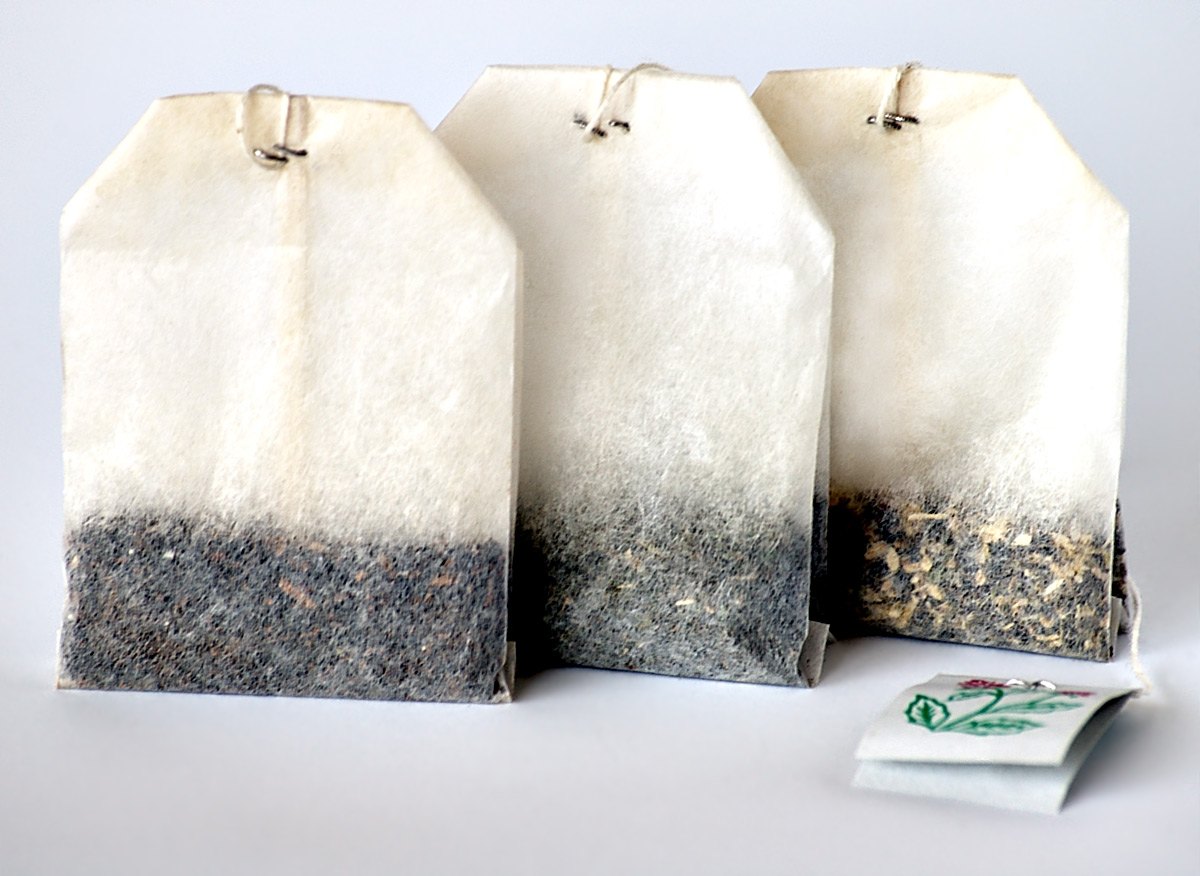
Used tea bags, usually binned straight after a cup of tea, can be repurposed for a range of household tasks — from skincare and cleaning to gardening, cooking and minor first aid.
According to a Rojak Daily report, as households look for smarter and more sustainable ways to use everyday items, tea bags stand out as a surprisingly versatile option.
Skincare
A tea bag can be soaked in lemon juice and chilled in the refrigerator for a few hours to boost its effectiveness. The resulting liquid can then be used to wash the face and neck for a cool, refreshing clean.
Two wet tea bags placed over the eyes for about 15 minutes are also said to help tone down dark circles and reduce redness, with the warm tea calming puffiness and uneven skin tone.
Cleaning and odour control
Wetting a tea bag with boiling water creates a simple cleaning solution for polishing glass surfaces such as windows, plates and even cooking grates, without harsh chemicals.
A dry tea bag left in the refrigerator helps absorb unwanted smells, while rubbing a wet tea bag on the hands can neutralise a lingering onion odour after cooking.
Pests and plants
Used tea bags placed in cupboards or tucked into corners of the home can help deter mice and spiders, which generally dislike the scent.
Gardeners can drop used tea bags at the bottom of flower pots to help lock in moisture after watering, giving plants the hydration they need for healthy growth.
Kitchen and first aid
Used tea bags kept in the fridge can be steeped in boiling water to make a flavourful marinade. Poured over meat before marinating, the tannins in the tea help break down proteins, resulting in more tender meat with better texture and taste.
A moist tea bag applied to a scraped knee can also help ease pain, as the tannins in tea leaves work to soothe and speed up healing — a handy trick for minor mishaps.
The report concludes that rethinking how everyday items are used can lead to more resourceful and sustainable habits, while squeezing extra mileage out of things that would otherwise be thrown away.
This article was produced with the assistance of artificial intelligence (AI), in accordance with our editorial policy.