DID: Flood management must shift to a proactive approach
Drainage and Irrigation Department director-general says flood management must be driven by risk analysis, scientific data and strong governance.
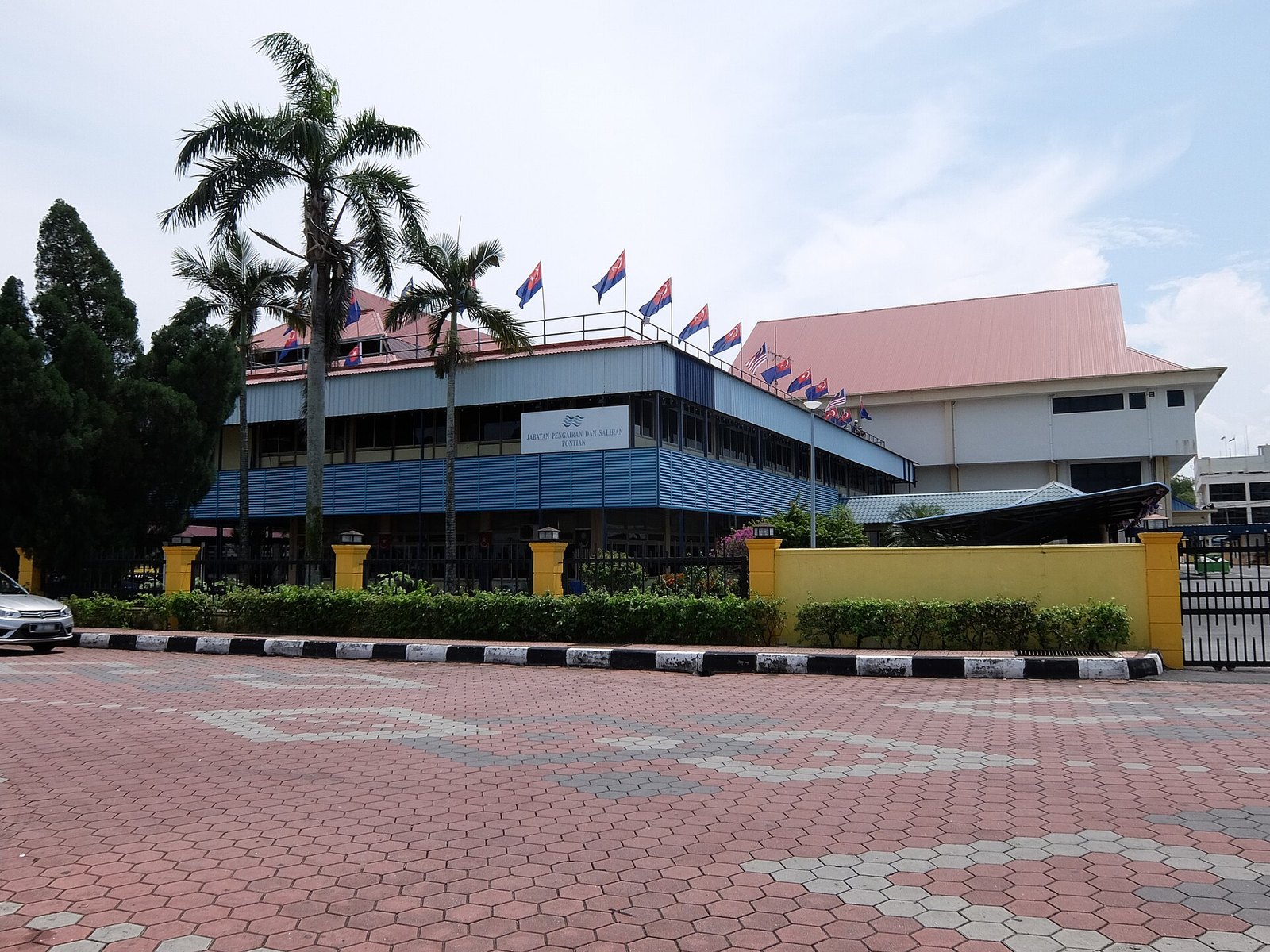
BANGI – Flood management in the country must shift drastically from a reactive to a proactive approach based on risk analysis, scientific data and strong governance to face the challenges of climate change and increasingly unpredictable rainfall patterns.
Drainage and Irrigation Department (DID) director-general Datuk Mohamad Radzi Abdul Talib said monsoon floods were not merely a matter of rivers overflowing their banks, but also affected the safety of lives, economic continuity, the operation of public facilities and the resilience of communities to recover.
"Facing the reality of climate change and rapid development, rainfall patterns are now increasingly unpredictable, which requires a change in the flood management approach.
"Flood management must change drastically from reactive action to a proactive approach based on risk analysis, scientific data and strong governance," he said in his keynote address at the Monsoon Flood Symposium 2026 (SimBAH 2026) here yesterday.
Mohamad Radzi said the strategic direction is led by the Energy Transition and Water Transformation Ministry (PETRA) through the National Water Policy and the Water Sector Transformation Roadmap 2040 (AIR 2040), to strengthen holistic water resource management from catchment areas to the coast.
PETRA's focus, he said, involves not only physical infrastructure but also climate adaptation, Integrated River Basin Management (IRBM) and cross-sector cooperation.
"Our main focus is to reduce risks to the people, strengthen early warning systems and make decisions based on data and collaboration," he said.
As the national technical agency, he said, DID Malaysia balances flood management through structural and non-structural approaches. Structurally, it implements flood mitigation plans (RTB), retention ponds, pump houses, water control gates as well as river rehabilitation and coastal protection works.
"Through the non-structural approach, DID plans risk management and the delivery of early warnings anchored on master plans and key decision support systems. This includes the development of the Flood Mitigation Master Plan (PITB), the Urban Drainage Master Plan (PISMA) and the application of the Urban Stormwater Management Manual (MSMA)," he said.
He added that the National Flood Forecasting and Warning Centre (PRABN) and the National Water Balance Management System programme (NAWABS) operate 24 hours continuously. PRABN translates hydrometeorological data into rapid early flood warnings, while NAWABS monitors availability and projects the country's water resource needs in real time and for the future.
"DID cannot do this alone. Universities provide knowledge expertise and innovation, while government agencies translate it into policy and implementation. Industry supplies technology and the community provides the actual reality on the ground," he said.
This article was produced with the assistance of artificial intelligence (AI), in accordance with our editorial policy.