Super League kicks off Aug 21 with 12 teams as unpaid wages remain football's old test
MFL says six clubs failed to obtain licences or had applications rejected over the past five seasons because of overdue salary payments.
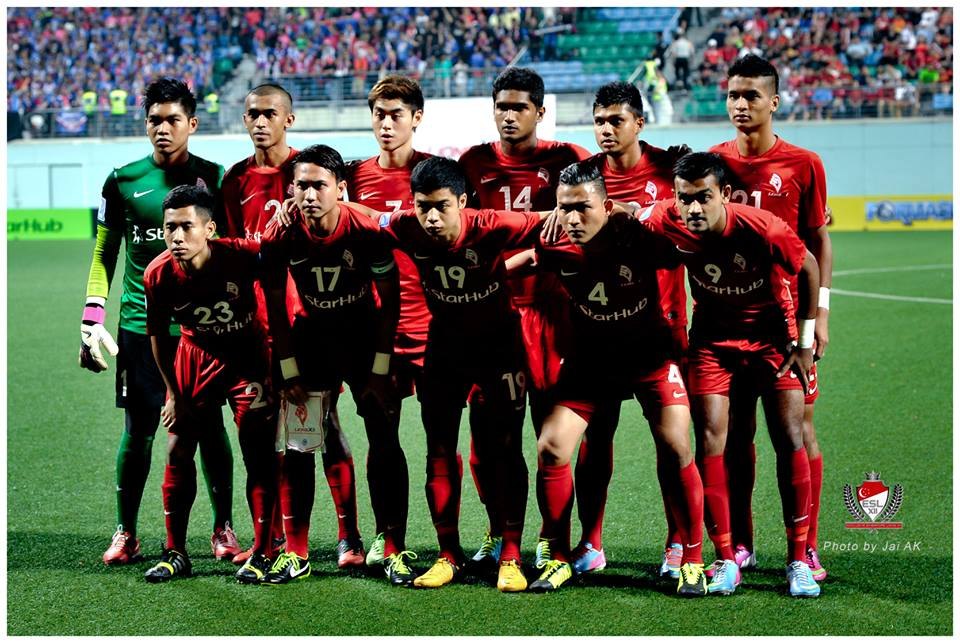
The 2026-27 Malaysia Super League begins on Aug 21 with 12 teams after the Malaysian Football League (MFL) reduced the number of participating clubs from 13.
MFL says only clubs that satisfy licensing, financial and infrastructure requirements will compete. Under its Financial Fair Play (FFP) framework, clubs must submit budgets, declare their financial position and report their obligations to employees and statutory bodies. MFL verifies those declarations with relevant stakeholders before approving licences.
The league body says clubs face regular monitoring throughout the season and are limited to using 80% of their expected income for employee and social obligations, leaving a buffer to reduce financial risk.
An issue that refuses to disappear
On paper the framework appears robust, but unpaid wages have remained a persistent problem. Not every club is affected — many players and coaches receive their salaries as agreed — yet repeated disputes involving certain teams have damaged confidence in the professionalism of the game.
In its response to FMT, MFL said six clubs had failed to obtain licences or had their applications rejected because of overdue salary payments over the past five seasons: Melaka United and Sarawak United in 2022, Kelantan FC in 2023, Kedah Darul Aman FC and Perak FC in 2024/25, and Kelantan The Real Warriors FC in 2025/26.
MFL says clubs with overdue payments may continue under agreed settlement plans, with progress monitored until they clear their debts. That approach recognises that financial difficulties rarely disappear overnight — but a payment plan must lead to payment, or a temporary solution becomes a recurring cycle.
The human cost
The death of former Kedah Darul Aman coach Rosle Md Derus last month brought renewed attention to the human impact behind these disputes. Rosle had previously revealed he was owed about RM108,000 in salary and housing allowance arrears. His official cause of death was a stroke, and no evidence links it directly to his financial difficulties.
Lessons from elsewhere
Malaysia is not alone. Spain developed salary protection mechanisms to help players when clubs run into financial trouble, while Fifa created the Fifa Fund for Football Players to support those owed money after clubs fail to pay.
One area requires closer attention: what happens when clubs disappear, rebrand or move into lower divisions while debts remain unresolved. A new name should not erase old responsibilities.
MFL has outlined its framework. The test now is whether the structure works.
This article was produced with the assistance of artificial intelligence (AI), in accordance with our editorial policy.