Syariah ruling on Tabung Haji zakat should be respected, says Pahang Mufti
Asmadi Mohamed Naim says the RCI report never concluded that zakat paid by Lembaga Tabung Haji between 2016 and 2019 was invalid.
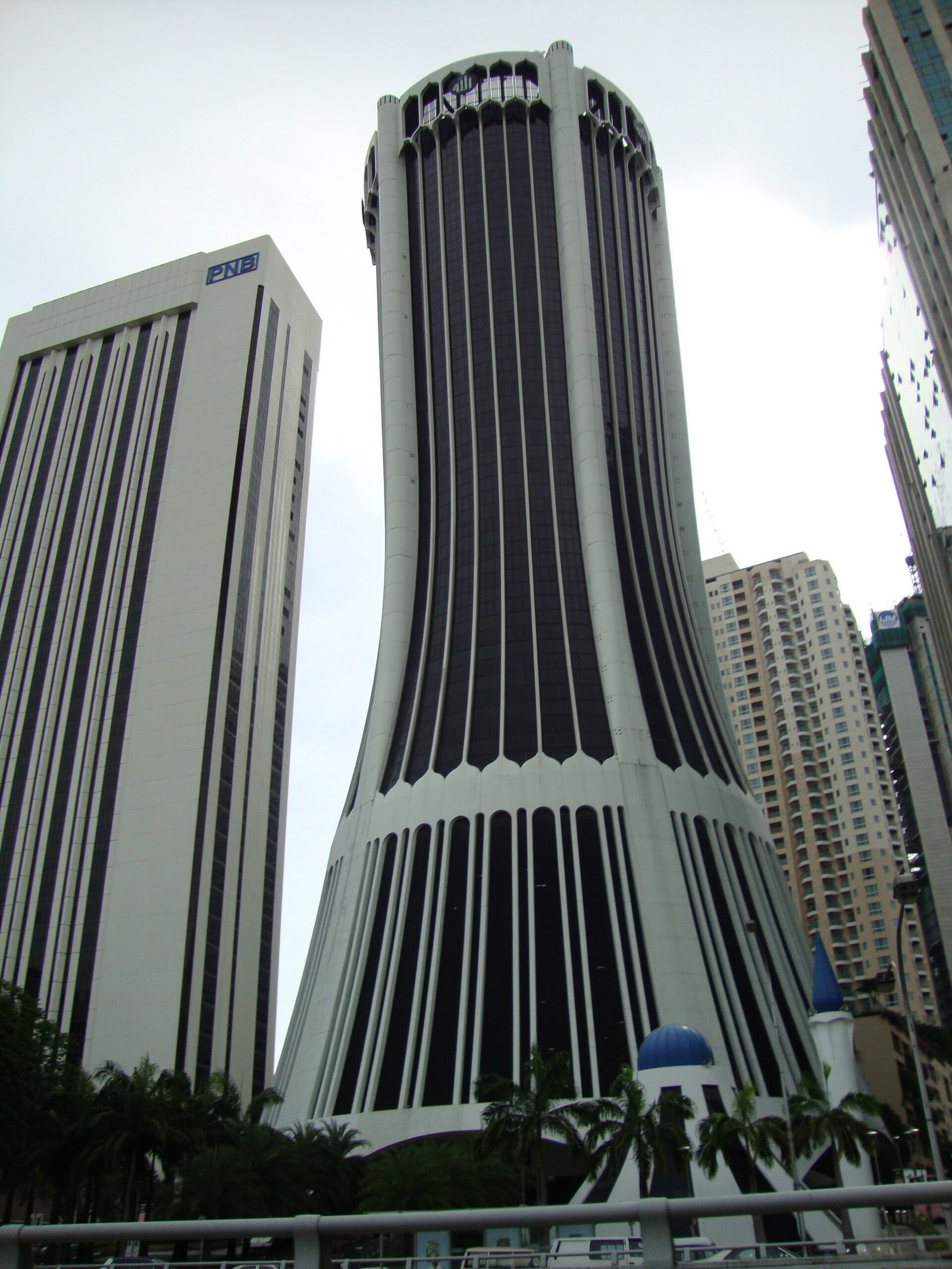
PETALING JAYA – The issue surrounding Lembaga Tabung Haji's (TH) zakat for the 2016 to 2019 period does not concern the validity of the zakat already paid, but rather a review of the contract (akad) used at the time, said Pahang Mufti Professor Datuk Dr Asmadi Mohamed Naim.
In a Facebook post today, Asmadi said the Royal Commission of Inquiry (RCI) report never concluded that the zakat paid by TH during that period was invalid. Instead, it discussed the syariah and legal position of the contract between TH and its depositors, and proposed improvements.
"The issue discussed in the RCI report is not about whether the zakat that was paid is valid or invalid.
"It cannot be understood in isolation to the point of concluding that the zakat paid by TH is invalid or impermissible," he said. (Quote translated from Malay.)
He said that in line with the RCI's recommendation, the matter was referred to the Muzakarah of the National Council for Islamic Religious Affairs Malaysia (MKI) through a presentation by TH on 24 June 2024. This, he said, showed that the matter was resolved through the proper syariah channels rather than on the basis of individual opinion or public speculation.
From wadiah to wakalah
Asmadi said a syariah review conducted after 2018 found that the wadiah contract concept used previously could not be fully applied, as TH's legal position did not allow the concept to be implemented in full.
"The reality of the relationship between TH and its depositors is closer to that of a fund manager and investors, which allows zakat to be calculated based on the business zakat approach," he said.
On that basis, TH's Syariah Committee decided that the zakat calculation approach used for that period remained acceptable under syariah, after examining the full facts, documents and operational realities of TH based on recognised fiqh principles.
Shortcomings in the implementation of a contract do not necessarily nullify the entire syariah relationship, he said, especially when the substance of the transaction still meets the main characteristics of that contract. The principle of validating transactions that have already taken place and avoiding hardship to the community, or raf' al-haraj, was also among the committee's considerations.
He added that the issue no longer arises in TH's current operations after the institution tightened its contract structure by adopting the wakalah contract from 2019.
"The public must respect the decisions of syariah institutions made through the process of ijtihad by experts mandated by law," he said.
This article was produced with the assistance of artificial intelligence (AI), in accordance with our editorial policy.