Big Investors Return to South Korean Stocks After July Rout
Foreign investors bought a record ₩7.2 trillion (US$5 billion) of South Korean shares on Friday as the Kospi surged 17.9%.
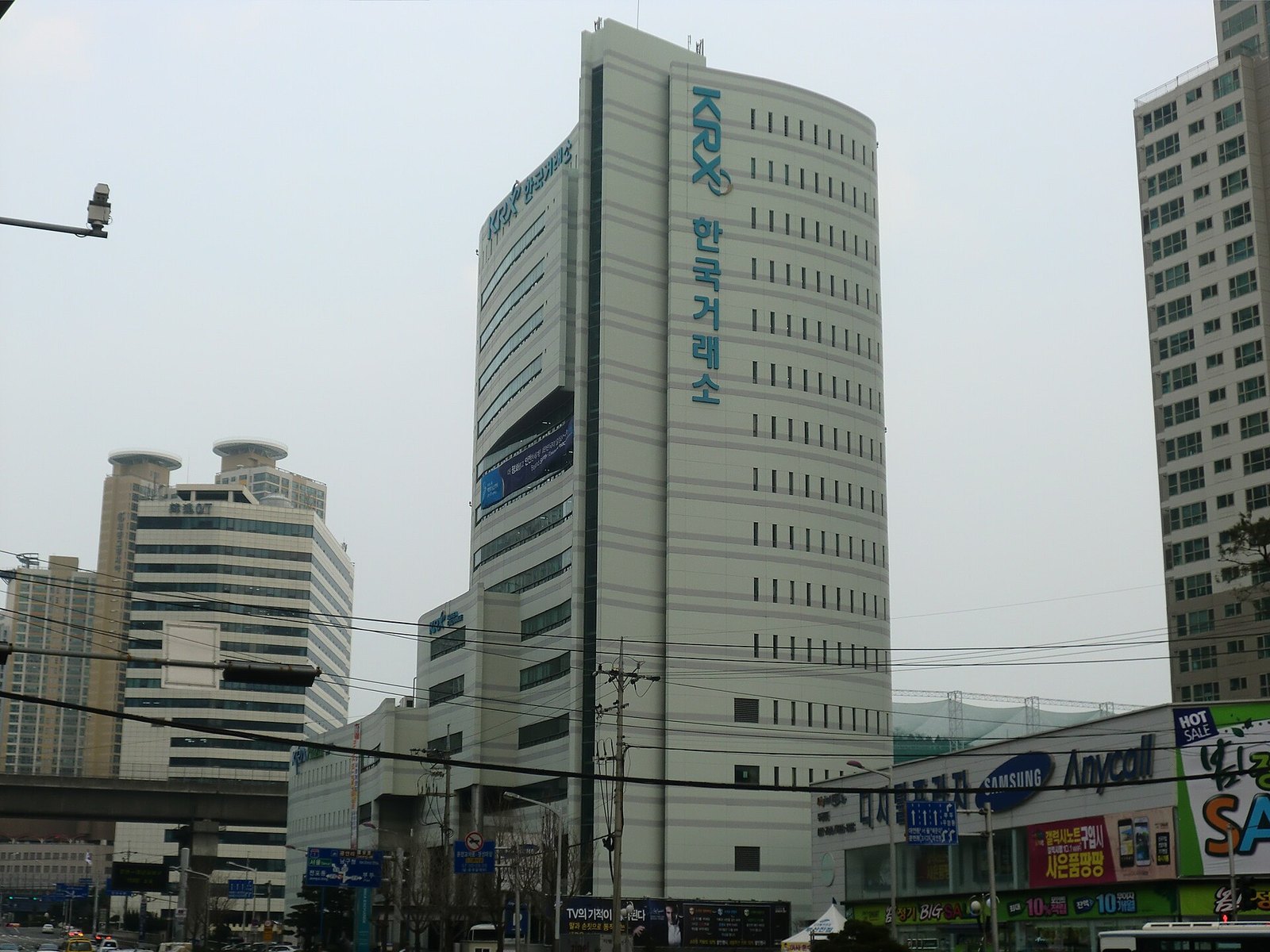
Large institutional investors are edging back into South Korean equities after last month's sharp sell-off, with foreigners — net sellers all year — buying ₩7.2 trillion (US$5 billion) worth of stock on Friday, more than double the previous one-day record.
The sanguine mood contrasts with anger among domestic retail traders, burned by a roughly 40% drawdown from June's peak.
Assets at leveraged exchange-traded funds (ETFs) tied to Samsung Electronics and SK Hynix have collapsed from US$50 billion in late June to US$17 billion last week, JP Morgan research shows.
"This was a leverage event, not an earnings event," said Steve Lawrence, chief investment officer of US-based Balfour Capital Group, who manages over €400 million.
"I'll say it plainly: I'm a bull on Samsung here. It got sold for carrying half the index's weight, not for anything in the business," he said, adding that the memory cycle and the AI capex story remained intact.
Analysts said the slide was aggravated by forced selling at troubled hedge fund Situational Awareness, which appears to be over after Citadel bought the bulk of the fund's remaining equities book.
Samsung shares almost halved from their June peak to a late-July trough, despite a 250-fold increase in chip profit and a solid outlook driven by data centre demand. SK Hynix followed a similar pattern, with both rebounding sharply on Friday.
JP Morgan analysts led by Rajiv Batra said the leveraged ETF unwind was complete and hedge funds were about 90% through deleveraging. The median 12-month return after previous emerging-market corrections is about 28%, they noted.
'Accident waiting to happen'
The Kospi more than tripled in the 12 months to June's peak, with the rally hitting overdrive after single-stock leveraged ETFs launched in May — products that also worsened the fall.
"Long only investors just don't want to have to manage positions in stocks which are moving as violently as these stocks are moving," said William Bratton of BNP Paribas.
Finance Minister Koo Yun-cheol publicly apologised for introducing the ETFs without careful consideration, and new curbs were announced. Citi estimated retail losses in leveraged ETFs at about US$38.7 billion.
East Eagle Asset Management's Pierre Hoebrechts, who closed short positions last week, called the set-up "an accident waiting to happen". Risks remain: the index fell nearly 5% on Monday.
This article was produced with the assistance of artificial intelligence (AI), in accordance with our editorial policy.