Myanmar Civil War Nears Rare Opening for Talks as Diplomacy Gains Ground
An umbrella body of ethnic armed groups and the shadow government says it is committed to a negotiated political settlement, though analysts warn real dialogue remains distant.
Myanmar's civil war appears to be nearing a rare opening for negotiations as regional diplomacy gains ground, analysts say.
The change is most visible in the position of the Steering Council for the Emergence of a Federal Democratic Union (SCEF), an umbrella body bringing together several major ethnic armed organisations and the shadow government that includes remnants of the last elected administration.
After a meeting last month with the Thai and Philippine foreign ministers — who separately also met Myanmar's military negotiation committee — the SCEF said it was committed to pursuing a political settlement.
"It therefore seems that they have abandoned their previously stated public objective of overthrowing the Tatmadaw," said Morgan Michaels, research fellow at the International Institute for Strategic Studies, referring to the SCEF and the Myanmar military. "Still, political dialogue between the Tatmadaw and SCEF groups may be quite a way off. The more near-term prospect is that we'll witness a movement towards 'talk of talks'."
SCEF spokesperson Saw Nimrod said the group's objective is to secure civilian supremacy and push the military out of any political role. "That's our final call but for now, we are committed to achieving a negotiated political solution," he told Reuters. "We are open to dialogue and open to political negotiation." The SCEF has called on the military to end attacks on civilians and release all political prisoners.
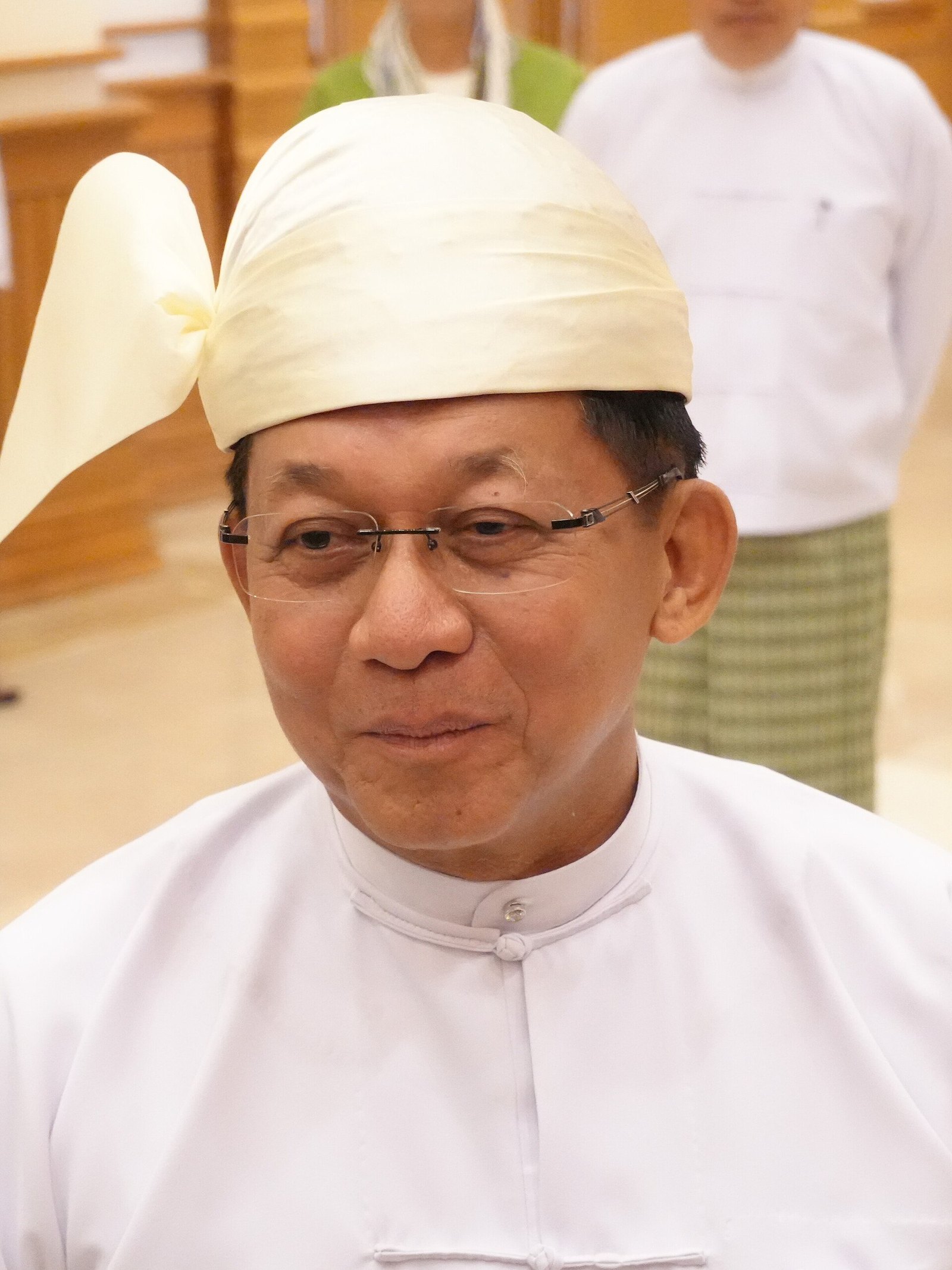
Junta chief turned president Min Aung Hlaing has yet to accept the SCEF as a negotiating partner, but his visit to Thailand this week — Bangkok hosts him on Thursday and Friday — highlights wider efforts for a truce. Thailand has been pushing for the gradual re-engagement of Asean, which shunned Naypyitaw after the coup over its foot-dragging on a peace plan.
Myanmar's new government, formed after an army-engineered election that allowed Min Aung Hlaing to take a civilian role, had called on armed groups for talks by July 31. "Peace is our desire, our greatest wish," Min Aung Hlaing told parliament last week, though a conflict monitor flagged a sharp escalation in military attacks on civilians since the leadership transition.
Sparked by the February 2021 coup that deposed the government led by Aung San Suu Kyi, the conflict has killed more than 100,000 people, displaced millions and devastated the economy.
The military has since launched conscription, secured support from allies such as China and deployed new battlefield tactics. Two fighters told Reuters armed groups in Bago and Dawei had retreated from some areas.
"The military, which was previously thought to be on the verge of collapse, has not collapsed but has instead managed to survive, both politically and militarily," said independent analyst Aung Ko Ko.
Richard Horsey of the International Crisis Group said Naypyitaw is instead seeking bilateral talks with individual groups. "A peace process requires concessions towards a jointly-agreed outcome... That looks far off for most groups," he said.
This article was produced with the assistance of artificial intelligence (AI), in accordance with our editorial policy.