Policy changes alone won't guarantee return of support, PH told
Analysts say racial sentiment now dominates the political environment, making administrative reforms unlikely to shift voting trends after three straight election defeats.
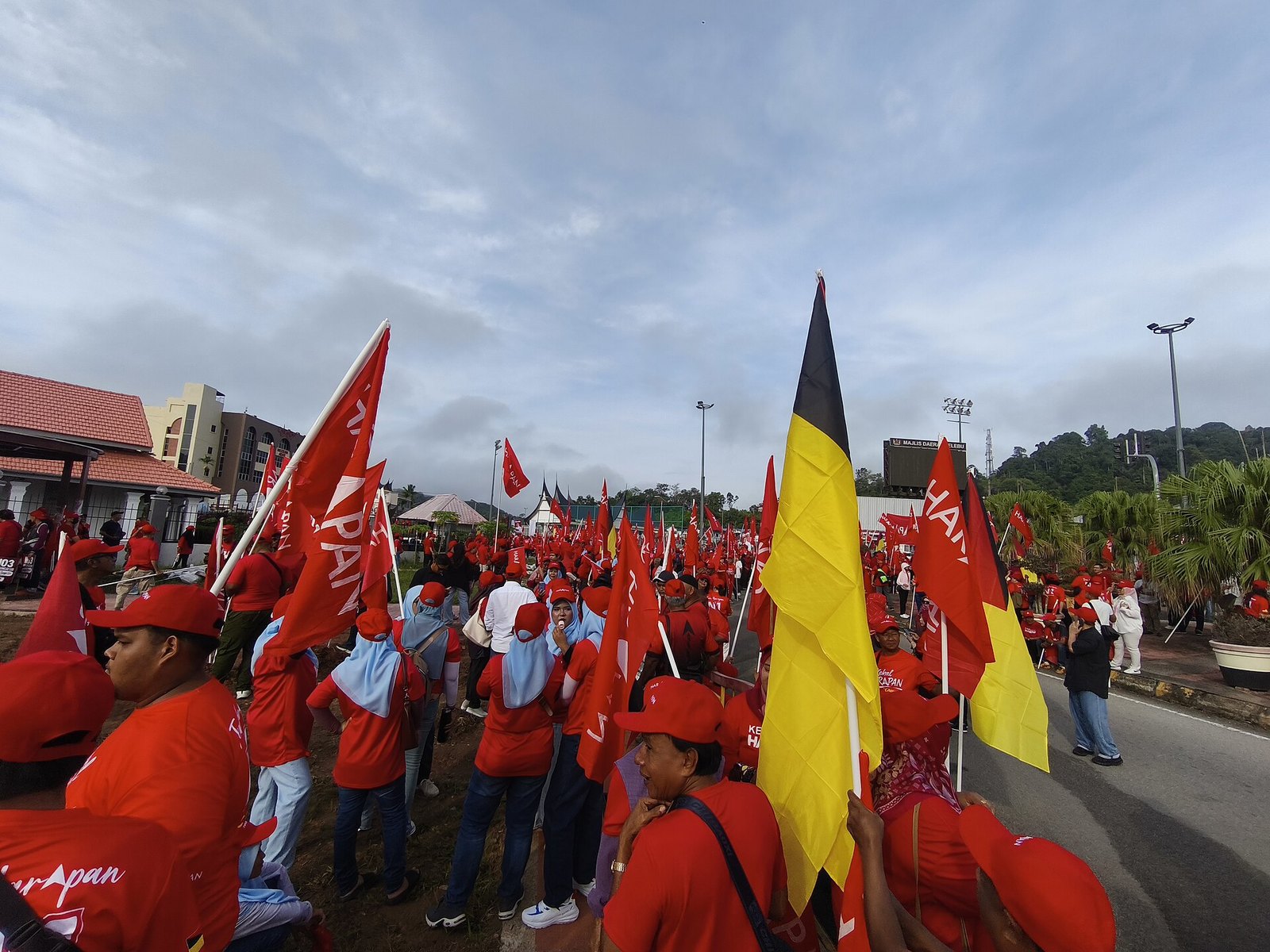
KUALA LUMPUR – Pakatan Harapan's push for policy changes after its Negeri Sembilan defeat may be "too little, too late" as racial sentiments dominate the political environment, analysts say.
Lau Zhe Wei of International Islamic University Malaysia said administrative improvements might have had a greater impact on voter support had they been implemented on a larger scale before the Johor and Negeri Sembilan elections, both of which PH lost. The political environment has since changed, he said, with policy improvements unlikely to significantly affect voting trends.
"It may help, but not much. The gap in impact between using ethnic issues and making administrative improvements to win votes is now far too large," he told FMT.
Akademi Nusantara's Azmi Hassan said PH also had to deal with the perception that the unity government was dominated by DAP, and that policy changes alone would not undo this. The perception had already caused the unity government to come under attack, with Prime Minister Anwar Ibrahim repeatedly having to deny that DAP undermines the Malays or that top leaders like him are under the party's control.
PH's defeat in Negeri Sembilan on Saturday was its third consecutive election loss after Johor and Sabah. DAP deputy secretary-general Steven Sim subsequently said he would meet Anwar to propose policy changes, as PH needed to listen to voters and improve government policies while remaining firm on its principles.
Despite retaining nine of 11 seats contested in Negeri Sembilan, DAP was dealt a massive blow when secretary-general Loke Siew Fook failed to defend his Chennah seat for a fourth term. After the Sabah wipeout in November, Loke had said the party would work with Anwar to accelerate reforms over the first half of 2026. DAP will hold a special congress on Aug 16, where 4,000 delegates will decide whether party leaders should remain in their government posts or resign.
Ahmad Fauzi Abdul Hamid of Universiti Sains Malaysia said reforms would not counter the appeal of the Malay unity narrative, describing identity politics as a "baseline" in Malaysia rather than a cycle.
"Nearly seven decades after independence, and despite real economic development, communal identity still dominates ballots once part of the electorate feels its position is threatened. That's why solutions based on loan write-offs, more handouts, and higher salaries just won't work," he said.
He cited former menteri besar Aminuddin Harun, who was well regarded but soundly defeated in the Umno stronghold of Linggi due to the Barisan Nasional-Perikatan Nasional pact.
James Chin of the University of Tasmania said earlier reforms could have reduced the wave of rejection in Negeri Sembilan, though PH still would not have won.
This article was produced with the assistance of artificial intelligence (AI), in accordance with our editorial policy.