Opinion: Starlink-telco tie-up could close Malaysia's last coverage gaps
A Free Malaysia Today commentary argues Malaysia should move fast on commercial direct-to-device deals between local telcos and Starlink to reach areas where towers will never pay for themselves.
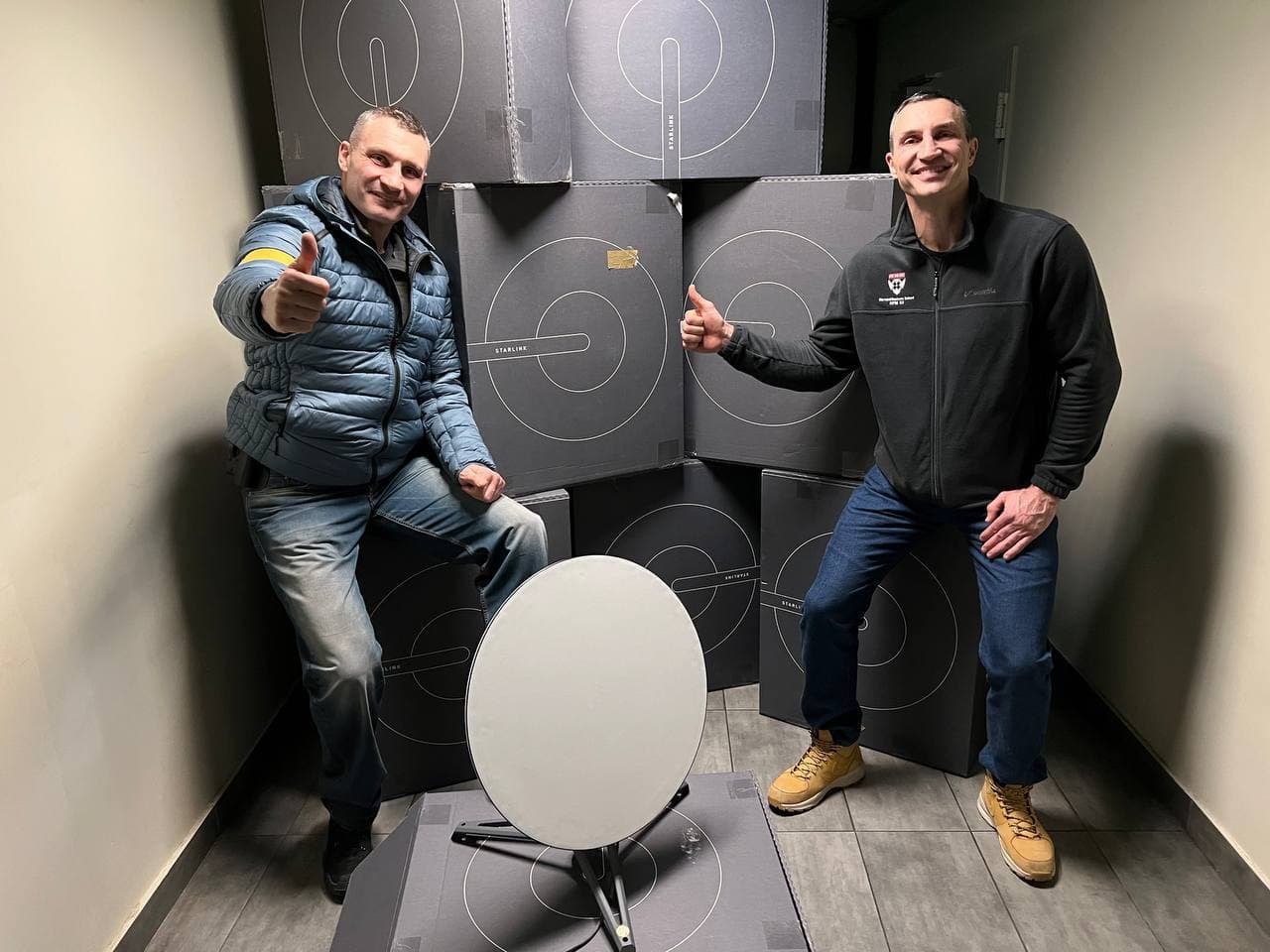
KUALA LUMPUR: A commentary published by Free Malaysia Today argues that Malaysia's remaining internet coverage gaps can be closed quickly if local telcos strike commercial partnerships with satellite operator Starlink.
The writer says the obstacle is arithmetic rather than ambition. A telecommunications tower typically takes 18 to 24 months to build and, in a sparsely populated interior district, may never earn back its cost — which explains why gaps persist five years and billions of ringgit into the Jendela connectivity plan.
Citing the communications ministry's written parliamentary reply to Julau MP Larry Sng, the piece notes that only 58% of populated areas in Julau, Sarawak had 4G coverage as of June 2025, and just 1,391 of the district's 3,784 premises can get fibre.
Nationally, as of late 2025, 5G covered 82% of the country but only 62% of Sarawak and 69% of Sabah. The ministry this month reaffirmed its target of 100% internet access in populated areas by 2027.
As reported by The Edge, Starlink representatives met Communications Minister Fahmi Fadzil to propose trialling direct-to-device (D2D) technology here. D2D allows an ordinary phone to connect to a satellite 550km up without a dish or special hardware, though bandwidth currently suits messaging and light data.
"This would mark a significant technological leap if implemented, as it means internet connectivity could be provided via satellite in certain areas where there are no telecommunications towers or where the population is too sparse to justify such infrastructure," Fahmi said.
Fahmi has instructed the Malaysian Communications and Multimedia Commission (MCMC) to invite local telcos to meet Starlink and explore deployment.
The writer argues the two are not competing for the same customer. Starlink, licensed in Malaysia since July 2023, sells its Residential 100 plan at RM135 a month for up to 100Mbps and a standard plan at RM235 for up to 400Mbps. Unifi offers 100Mbps fibre from RM89, CelcomDigi from RM99, and Time a full gigabit for RM199.
The commentary points to T-Mobile's Starlink-powered T-Satellite service, launched commercially in July 2025, which delivers messaging, location sharing and app data to about 60 phone models for US$10 (RM41) a month, backed by more than 650 direct-to-cell satellites as of January 2026 — without T-Mobile losing customers to SpaceX.
It recommends three steps: run the trial with published results and deadlines; channel the Universal Service Provision fund, into which telcos pay 6% of weighted net revenue, towards satellite terminals and D2D access for remote schools, clinics and longhouses; and have telcos bundle satellite messaging themselves.
The views expressed are the writer's own and do not necessarily reflect those of FMT.
This article was produced with the assistance of artificial intelligence (AI), in accordance with our editorial policy.