AMD Shares Slide 8.8% as Investors Seek Bigger AI Payoff
SpaceX's decision to build its computing infrastructure exclusively on rival Nvidia chips knocked more than US$74 billion off AMD's market value.
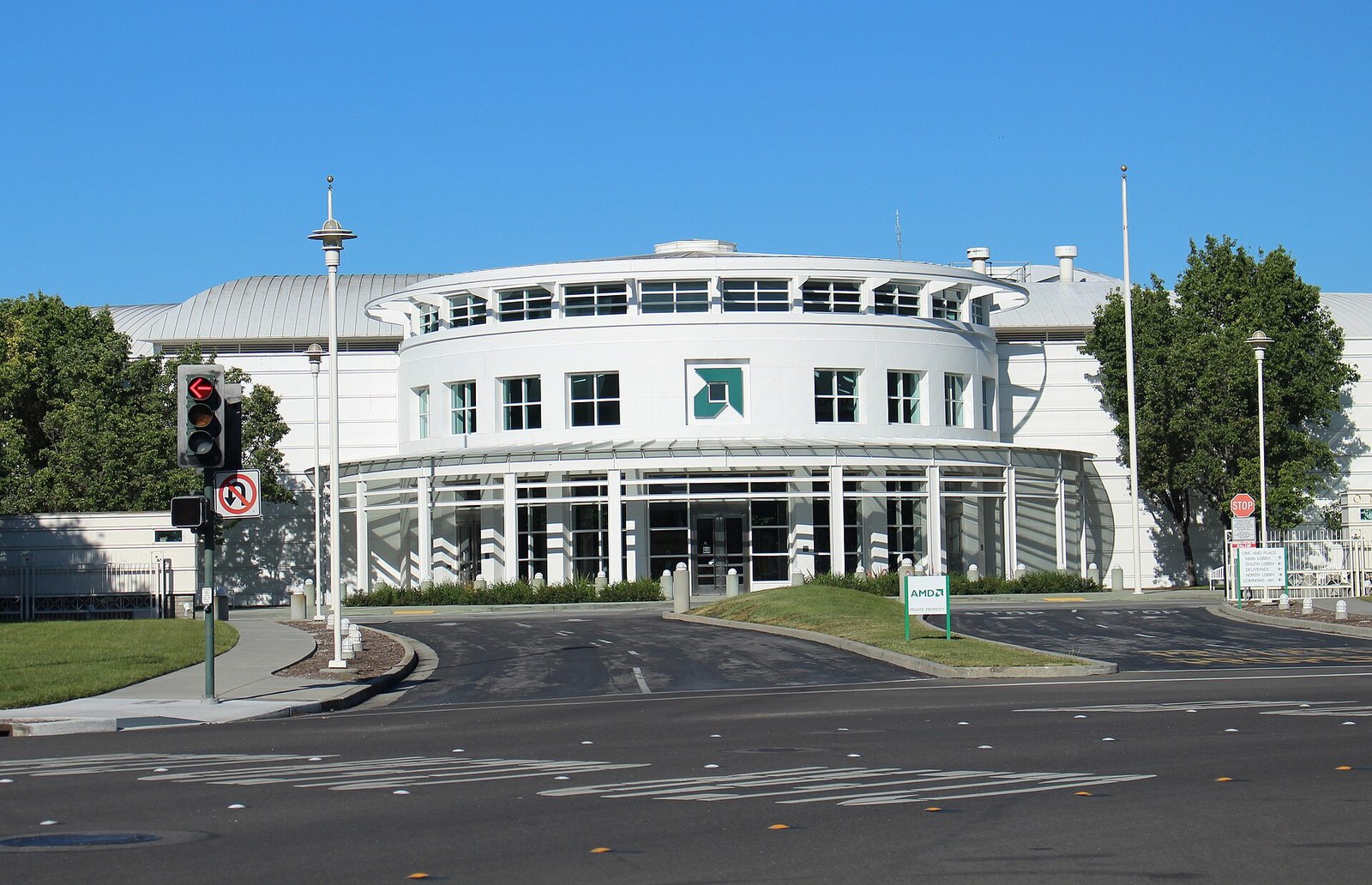
Advanced Micro Devices (AMD) shares fell 8.8% to US$473, a decline set to shave more than US$74 billion off its market value, after SpaceX decided to build its computing infrastructure exclusively on rival Nvidia chips.
The drop underscores the elevated expectations AMD faces, and serves as a reminder that winning high-profile customers remains critical as it seeks to boost its competitive position against Nvidia and Intel.
"We suspect expectations had moved higher following Intel's results a couple of weeks ago, and the buyside already has a fairly bullish outlook," said Stacy Rasgon, analyst at Bernstein.
SpaceX chief executive Elon Musk said Nvidia's Vera Rubin was "the best architecture". Shares of Nvidia, the AI bellwether, gained 1.9% in premarket trading.
Santa Clara, California-based AMD forecast third-quarter revenue of about US$13 billion, plus or minus US$300 million, above analysts' estimates of US$12.52 billion, according to data compiled by LSEG.
Analysts at TD Cowen said AMD stock was facing a "very high bar" following recent AI-related customer announcements and the sharp rally in the shares, despite "objectively good" results and forecasts.
Last month, the company signed deals with Anthropic and Core Scientific to bolster its AI infrastructure ambitions.
AMD's stock has more than doubled this year on expectations that the company will emerge as the leading alternative to Nvidia in AI chips, raising the ante for quarterly results.
Chief executive Lisa Su said AMD expects data-centre revenue to more than double by 2027 and projected total revenue growth above its previously outlined target of more than 35%.
AMD's data-centre revenue more than doubled to US$6.72 billion, topping expectations.
This article was produced with the assistance of artificial intelligence (AI), in accordance with our editorial policy.