Piece of SpaceX Rocket Believed to Have Crashed Into the Moon
The 4-tonne Falcon 9 second stage was expected to slam into Einstein Crater on the moon's western limb in what SpaceX said was an unintentional impact.
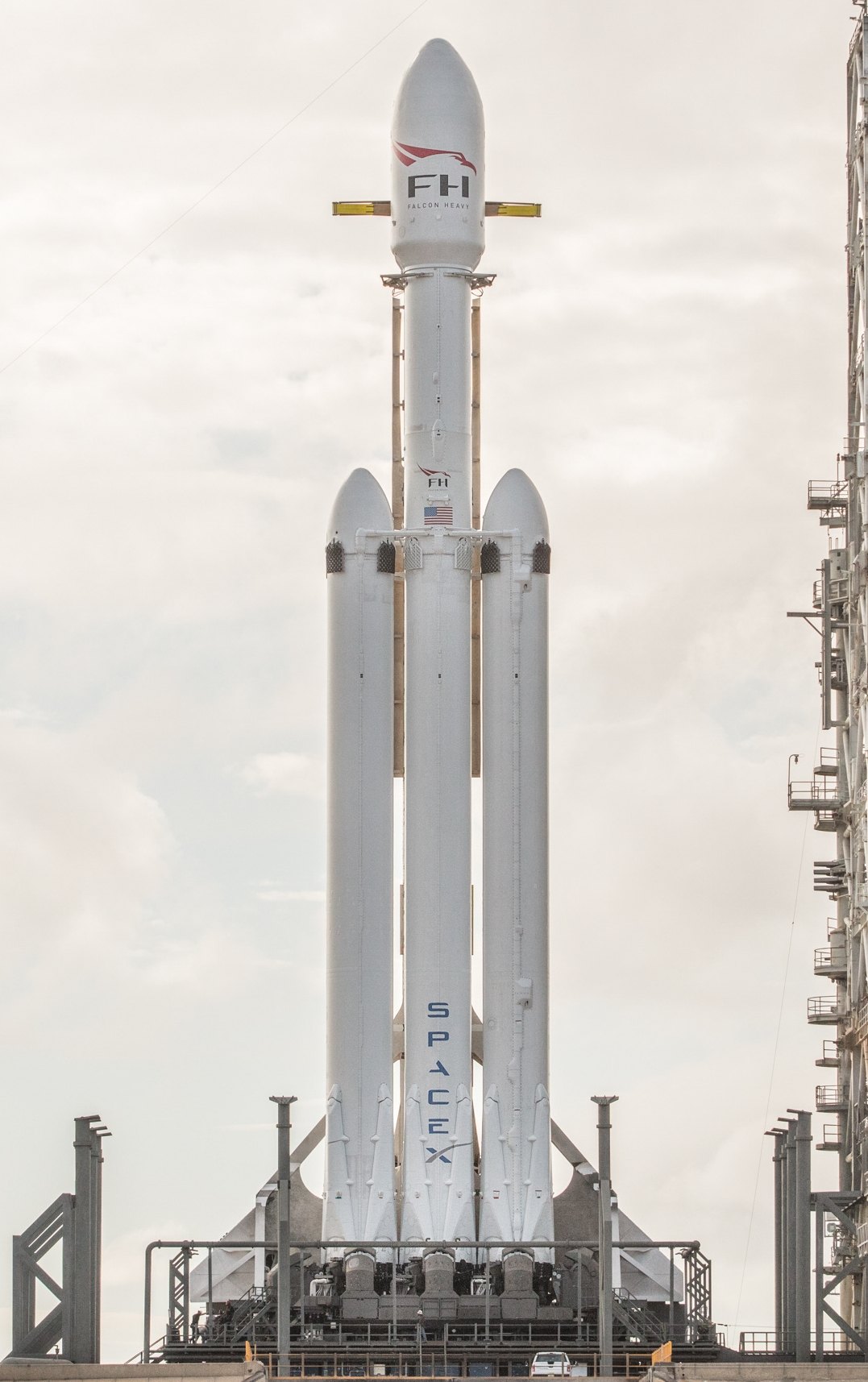
A school-bus-size object believed to be the second stage of a SpaceX Falcon 9 rocket is thought to have crashed into the moon, in an impact SpaceX said was unintentional.
The rocket had launched a lunar lander from Firefly Aerospace toward the moon in January 2025. Weighing 4 metric tons (4,000kg), the rocket body was due to hit the moon around 2.35am ET (0635 GMT), travelling at 5,400 miles per hour (8,690kph).
None of the spacecraft orbiting the moon were expected to be in a position to capture images of the impact live, the BBC reported. The space junk would have kicked up a plume of lunar dust likely illuminated by sunlight, but difficult to spot with the naked eye from Earth. Scientists were expected to need at least several hours to confirm the crash by studying images from telescopes in the Americas.
The rocket piece was expected to hit Einstein Crater on the moon's western limb, which is often difficult to see from Earth.
Such stages typically fall back into Earth's atmosphere and burn up, or plunge into the ocean, after boosting a payload into orbit. But because the January lunar lander mission required more thrust than missions closer to Earth, the second stage remained in space, floating among thousands of other pieces of space junk that active satellites must steer clear of.
It was not until earlier this year that astronomers determined the stage, which had dumped its remaining fuel and could not be controlled, was on an orbital trajectory ending at the moon.
"What has happened is essentially a mixture of solar activity and gravity forces have put it on a path toward the moon," Julianna Scheiman, SpaceX director of NASA science and Dragon programs, told reporters on Monday.
Bill Gray, creator of widely used astronomy software who published a report on the impact in April, said the event may be of minor scientific interest. "It doesn't present any danger to anyone, though it does highlight a certain carelessness about how leftover space hardware is disposed of," he said.
Space junk impacts on the moon are rare. A Chinese rocket stage crashed in March 2022, and NASA intentionally crashed a stage in 2009 to study the plume. Several landers have also crashed, including Russia's Luna-25 in 2023, India's Chandrayaan-2 and Israel's Beresheet in 2019.
Scheiman said NASA and SpaceX are discussing ways to prevent future lunar impacts, as the agency plans a lunar base and routine astronaut missions under its Artemis program.
This article was produced with the assistance of artificial intelligence (AI), in accordance with our editorial policy.