Dog meat soup, samgyetang: North Korea's tips for surviving the heatwave
Pyongyang's state media is recommending hot dishes as temperatures in the country hit 40 degrees Celsius.
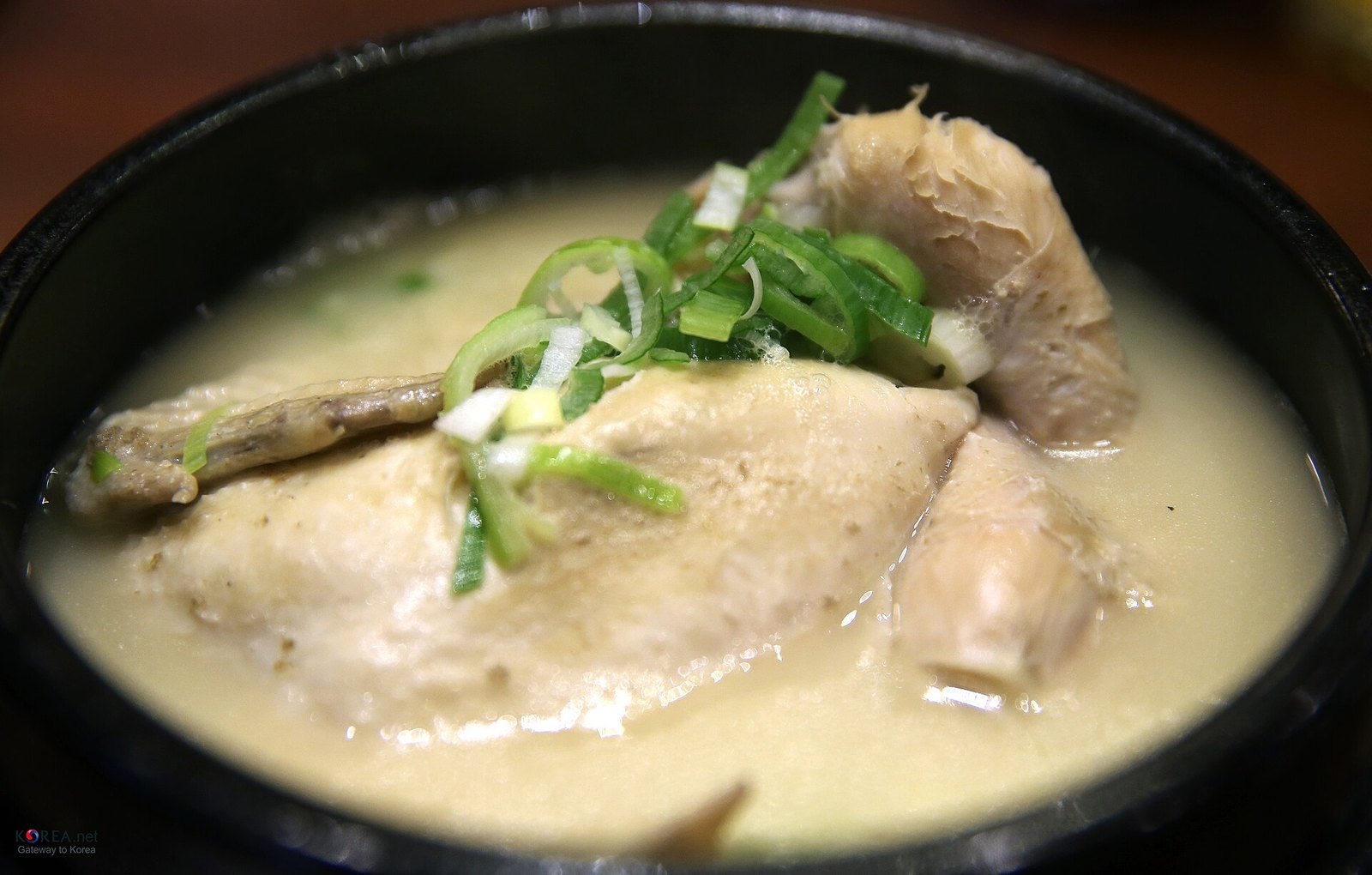
PYONGYANG: Dog meat soup and ginseng broth are among the dishes North Korea's leadership is recommending to help citizens cope with extreme heat.
The Korean peninsula is in the grip of an unusual heatwave. South Korea has recorded 23 heat-related deaths and logged all-time high temperatures on three days last week, including 42.5 degrees Celsius on Aug 2.
North Korean state media reported temperatures in the country reaching up to 40 degrees Celsius, with Pyongyang's hard-edged rhetoric on military matters interspersed with cooking tips to help the public handle the heat.
A doctor quoted by the state-owned newspaper Rodong Sinmun suggested on Aug 2 that dog meat soup was beneficial for boosting nutrition.
On Aug 5, the Korean Central News Agency (KCNA) recommended samgyetang — chicken soup cooked with glutinous rice, jujubes and ginseng, believed to raise energy levels.
"A Korean proverb says, 'like cures like'," the agency reported, describing the dish as a speciality of Kaesong, a city on North Korea's southernmost border.
The recommendation of hot food in scorching weather differs from traditional medicine practices in some other Asian countries, where winter melon soup is considered a preferred summer dish.
Dog meat was once a popular summer dish in South Korea as well, but it will be fully banned by February 2027.
While Seoul issued warnings for residents to avoid outdoor activity, people on the outskirts of Kaesong were still seen cycling and working in the fields.
Experts say isolated North Korea is not adequately prepared for heatwaves, part of a weather pattern that scientists say is becoming more extreme due to human-driven climate change.
As the heatwave struck, North Korea aired footage of crowds packing the beach at Wonsan, a resort officially opened by supreme leader Kim Jong Un in the summer of 2025.
This article was produced with the assistance of artificial intelligence (AI), in accordance with our editorial policy.