Landslides kill at least four in northern Philippines
Four days of heavy rain across Luzon triggered landslides in Benguet and Rizal, forcing the closure of government offices and schools.
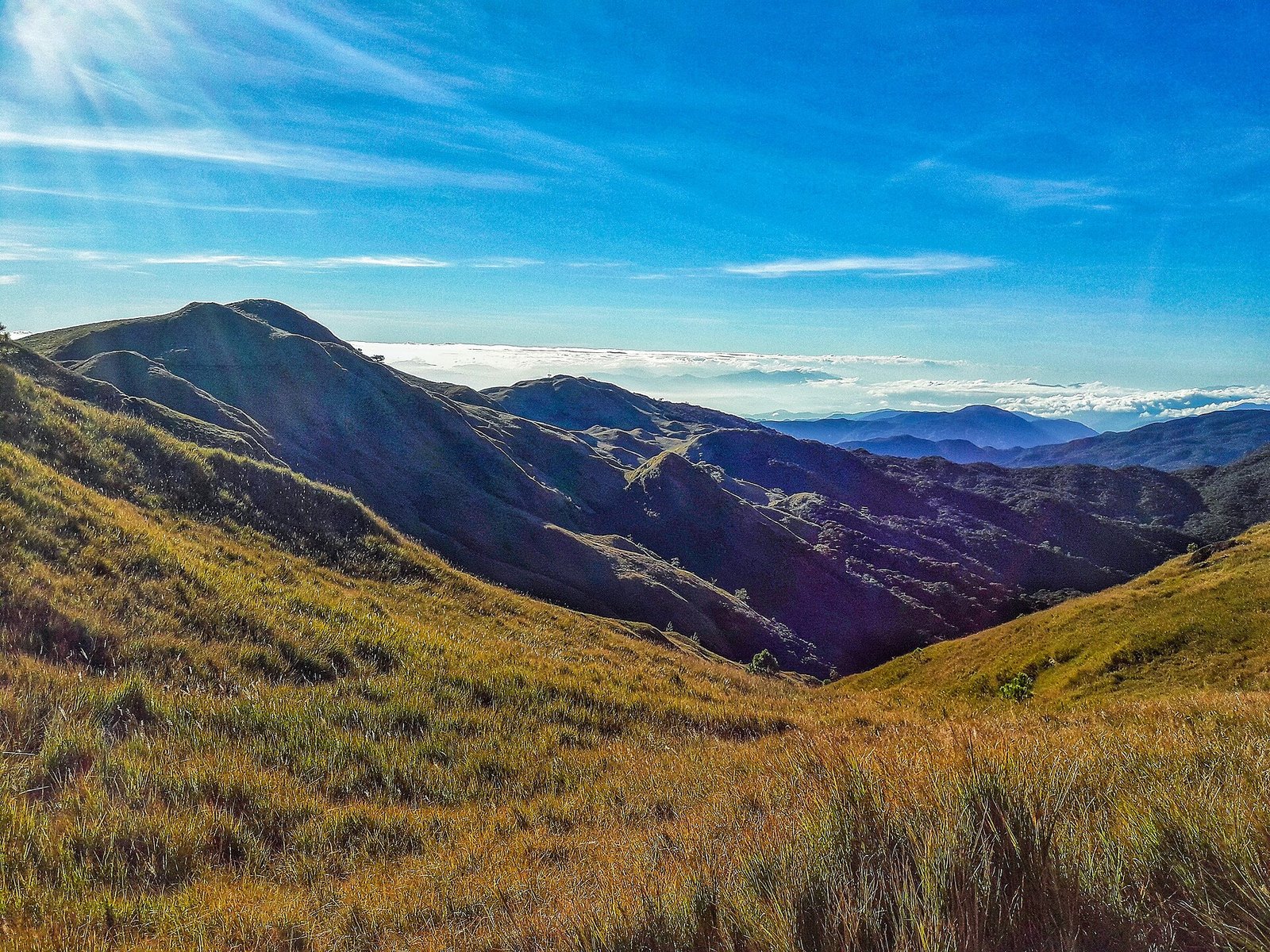
At least four people have been killed in landslides in the northern Philippines after Luzon, the archipelago nation's main island, was battered by heavy rains over the past four days.
In Benguet province, a six-hour drive north of Manila, a hillside gave way and collapsed on a small restaurant on Thursday, burying three employees who had been in the kitchen.
"One is alive. Two were dead on the spot," Colonel Dionisio Bonoy of the Benguet provincial police told reporters.
"At 10am (0200 GMT), the survivor was retrieved. That was our priority earlier. With the help of God, we hope he survives."
The country's national disaster agency separately confirmed that two others had been killed in a landslide in neighbouring Rizal province the day before.
Government offices and schools were ordered closed in the capital and across a swathe of northern provinces because of the rain.
Earlier on Thursday, government meteorologist John Manalo said sustained winds were at about 55km (34 miles) per hour as the depression, formerly Tropical Storm Kujira, moved towards the Philippine Sea.
"Severe winds can still affect most parts of the country," he warned.
"Since our land is already saturated and soaked, the potential for flooding and landslides will be higher."
The Philippines is the first major landmass facing the Pacific cyclone belt, and the archipelago is hit by an average of 20 storms and typhoons each year, putting millions of people in disaster-prone areas in a state of constant poverty.
Scientists say human-driven climate change is making extreme weather more frequent, prolonged and intense.
This article was produced with the assistance of artificial intelligence (AI), in accordance with our editorial policy.