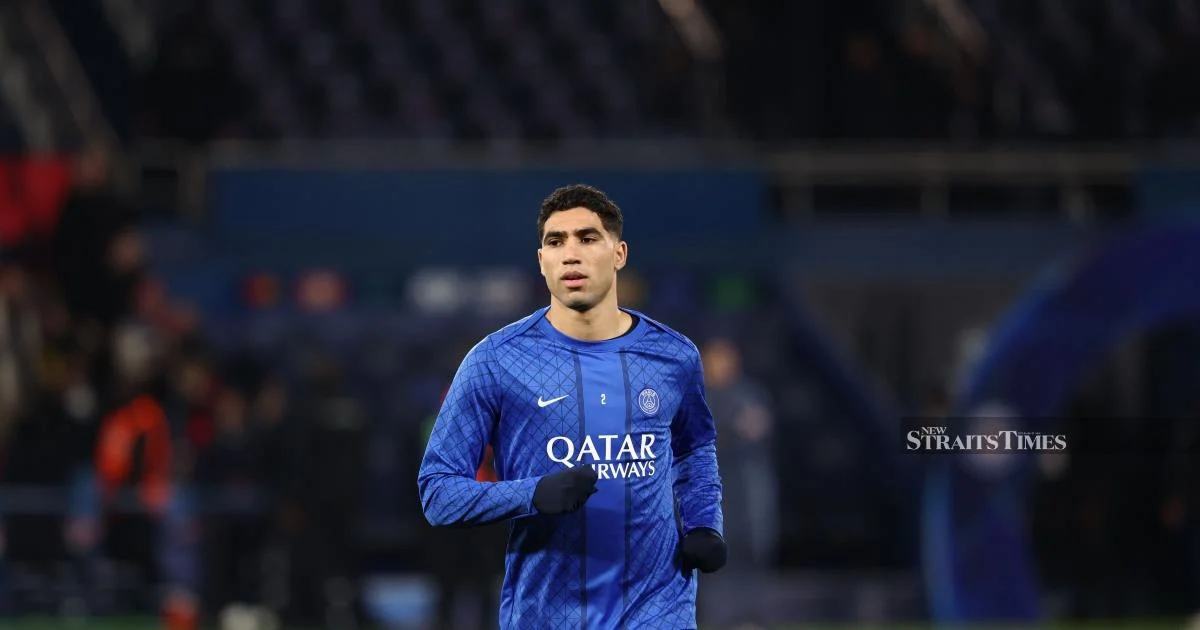
The legal process against Moroccan defender Achraf Hakimi has advanced substantially after France's appellate system affirmed that the footballer will proceed to full trial proceedings. The decision, handed down by the Versailles appeals court on Friday, maintains that sufficient evidence exists to require Hakimi to face formal charges stemming from allegations made by a young woman.
Hakimi, who plays as a full-back for Paris Saint-Germain, has maintained his position throughout the investigation process. The confirmation of trial proceedings represents a watershed moment in a case that has drawn considerable media attention both in France and internationally, given Hakimi's prominence in European professional football. His current club, one of the continent's most prominent teams, now faces the prospect of a drawn-out legal process involving one of its key defensive players.
The appellate court's decision indicates that examining magistrates found credible grounds to believe that criminal conduct occurred and that sufficient testimony and evidence warranted proceeding beyond the preliminary investigation phase. This development comes after an initial court phase where prosecutors and investigators compiled documentation and witness statements regarding the alleged incident. The appeals court's confirmation suggests judicial authorities were satisfied that the case contained sufficient substance to progress toward trial.
For Malaysian and Southeast Asian sports followers, this case carries broader implications regarding the accountability structures within elite football. The incident underscores how even players of international stature operating within the world's most prestigious leagues remain subject to the same judicial frameworks as other individuals. The progression of Hakimi's case through France's legal system demonstrates that nationality and footballing achievement do not provide insulation from criminal prosecution.
The situation also reflects the evolving landscape of athlete responsibility and governance within professional football. Major clubs increasingly face scrutiny regarding how they manage player conduct off the pitch. Hakimi's continued participation in PSG's squad, even as the trial proceeding was confirmed, exemplifies the tension between presumption of innocence and public expectations that clubs take decisive action when allegations emerge against their personnel.
From a competitive standpoint, the uncertainty surrounding Hakimi's legal status may influence team planning and strategic considerations. Should trial proceedings extend over multiple seasons, PSG may need to adjust tactical formations and squad rotation policies. The French club's ability to field one of Europe's most expensive rosters remains complicated by the personal legal circumstances of individual players, a reality that management teams must navigate carefully.
The Moroccan footballer's situation joins a broader pattern of high-profile athletes confronting serious allegations within judicial systems across Europe. These cases often generate extensive public discourse regarding due process, victim protection, and the responsibilities of sporting organisations. The Versailles court's decision maintains that the judicial system must operate independently of sporting considerations, establishing a clear separation between the disciplinary processes of football governing bodies and criminal law enforcement.
The confirmation of trial proceedings does not constitute a determination of guilt. French law, consistent with European judicial principles, protects the presumption of innocence until formal conviction through trial. Hakimi retains all legal rights associated with this protection as the case moves toward substantive court hearings. The defendant's legal team will have opportunity to challenge evidence, examine witnesses, and present alternative interpretations of the alleged events.
The timeline for trial commencement remains uncertain, as French judicial processes frequently experience scheduling complexities and procedural requirements. Multiple months or even years may elapse before full trial hearings occur, during which period Hakimi's professional circumstances and personal situation may evolve substantially. This extended timeline creates significant uncertainty not only for the parties involved but for PSG's planning and squad management during this period.
International football communities in Southeast Asia will follow this case as it unfolds, particularly given the region's growing engagement with European football narratives. The proceedings demonstrate how globalised professional sport intersects with national legal systems, and how individual incidents involving athletes can generate complex jurisdictional and governance questions. Malaysian sports observers interested in elite football's institutional mechanics will find substantial lessons regarding accountability, institutional responsibility, and the independence of judicial processes from sporting governance.