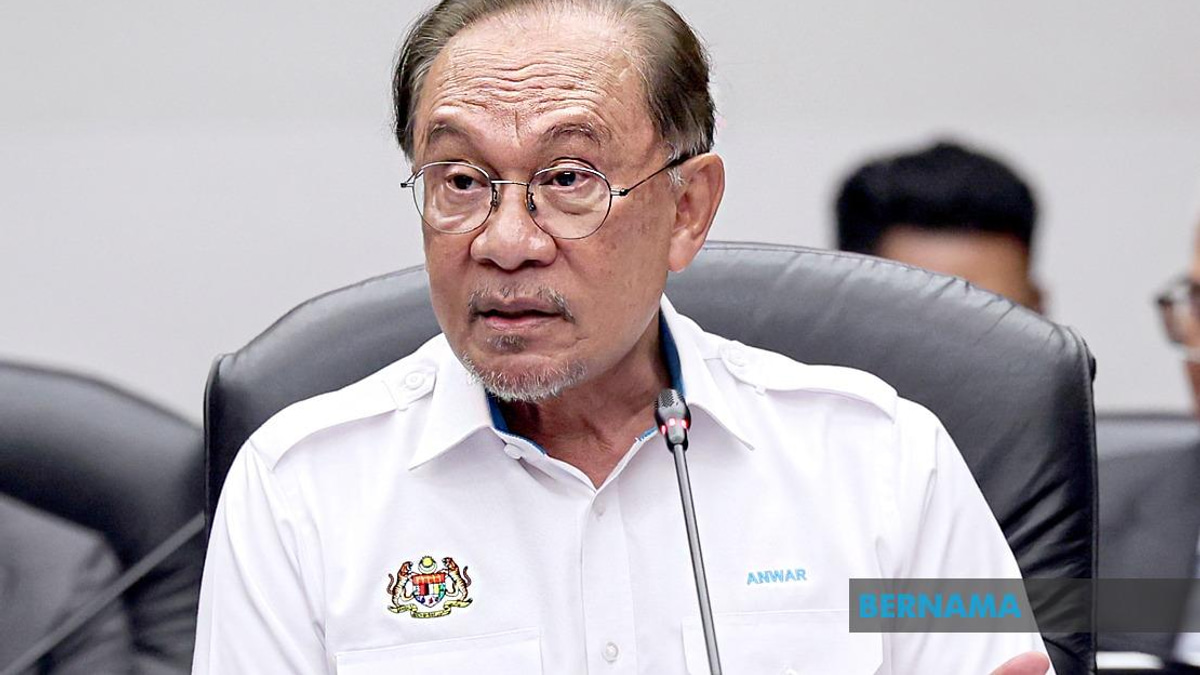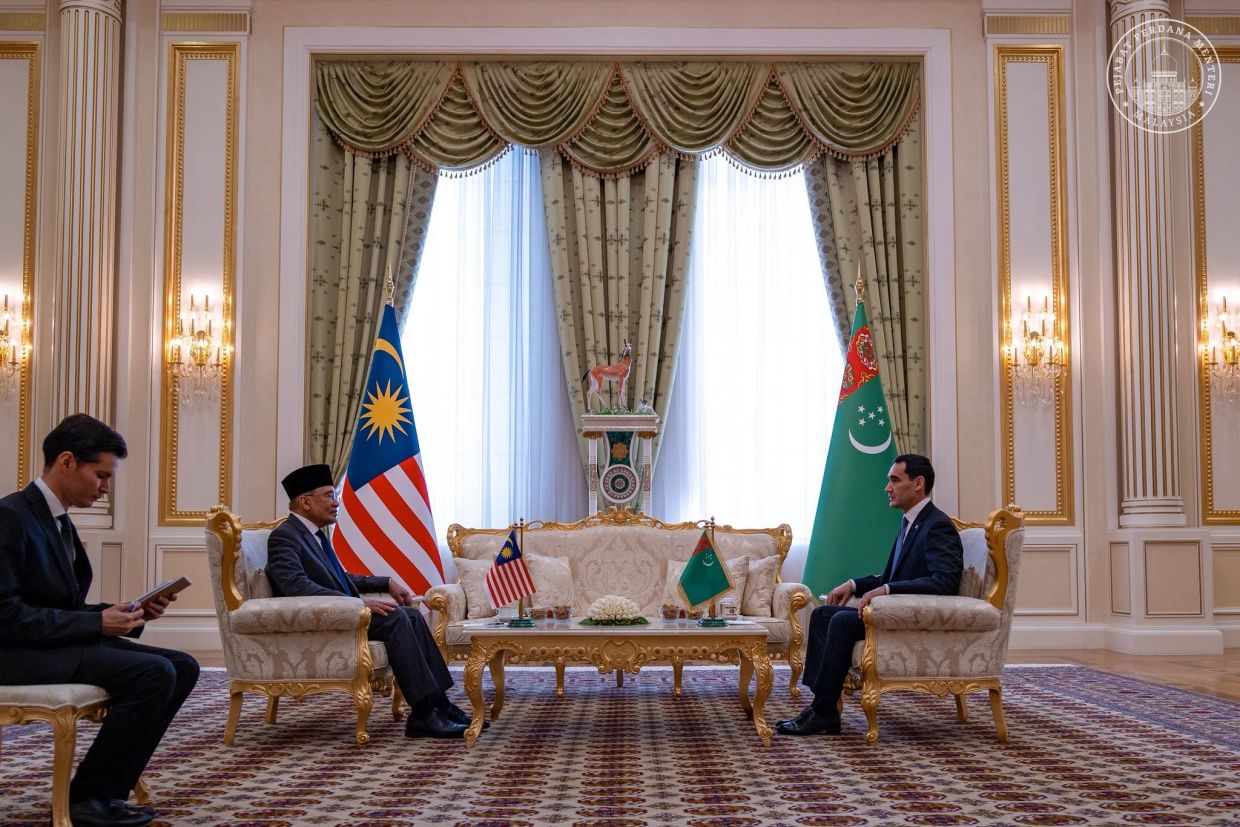
Prime Minister Datuk Seri Anwar Ibrahim attended the formal signing of a strategic partnership agreement between Petronas and Turkmenistan's authorities during an official visit to Ashgabat, with Turkmenistan President Serdar Berdimuhamedov also present at the ceremony. The accord represents a significant milestone in deepening economic cooperation between the two nations and signals Malaysia's expanding footprint in Central Asia's energy landscape, a region increasingly vital for global energy security.
The partnership agreement arrives at a symbolic juncture, coinciding with three decades of continuous Malaysia-Turkmenistan collaboration in the energy sector. This long-standing relationship has served as the bedrock for bilateral engagement, demonstrating sustained commitment from both governments to expand their economic interdependence. The timing underscores the durability of Malaysia-Turkmenistan ties in an era when energy partnerships face volatility from geopolitical tensions and shifting global energy demands.
According to Malaysia's Prime Minister's Office, the agreement promises mutual benefits extending beyond energy production to encompass human capital development, technological knowledge transfer, and expertise exchange. These dimensions are particularly significant for Malaysian professionals working in Petronas' international operations, as exposure to Turkmenistan's operations enhances skill sets in managing complex upstream projects in unconventional geographies. Conversely, Turkmenistan gains access to Petronas' world-class operational methodologies and technical capabilities refined through decades of global exploration and production experience.
The agreement explicitly identifies Turkmenistan's natural gas sector as a key development focus, with particular emphasis on unlocking the nation's vast hydrocarbon reserves. Turkmenistan possesses some of the world's largest proven natural gas reserves, positioning it as a critical player in global energy markets. For Petronas, securing deeper involvement in developing these resources represents a strategic expansion opportunity, particularly as Southeast Asian energy demand continues climbing. The partnership positions Malaysia to participate in supplying liquefied natural gas to regional markets, potentially enhancing energy security across Asia-Pacific economies.
Malaysia's governmental messaging around the partnership emphasises the accord as validation of Malaysian expertise and technological competence on the international stage. By securing a strategic role in developing Turkmenistan's hydrocarbon resources, Petronas demonstrates that Malaysian companies possess capabilities to compete for high-value contracts in competitive global energy markets. This international recognition carries diplomatic significance, elevating Malaysia's standing as a capable partner for resource-rich nations seeking reliable, technically proficient operators.
The bilateral trade relationship reflects the commercial substance underlying these political commitments. In 2025, Turkmenistan ranked as Malaysia's fourth-largest trading partner among Central Asian nations, with bilateral commerce reaching RM75.80 million. Malaysian exports to the country totalled RM75.50 million, registering a nine percent year-on-year increase that suggests rising commercial momentum. While these figures appear modest compared to Malaysia's total trade volumes, they indicate the relationship's growth trajectory and Turkmenistan's increasing importance within Malaysia's Central Asian trading portfolio.
Petronas' investment footprint in Turkmenistan underscores the oil and national company's long-term commitment to the nation. The company has deployed RM52.73 billion in Turkmenistan since 1996, substantially more than the annual bilateral trade figures suggest. This enormous capital deployment reflects Petronas' role as a major operator of upstream energy projects rather than a merchandise trader, positioning the company at the centre of Malaysia-Turkmenistan economic integration. The scale of Petronas' existing investments demonstrates that today's partnership agreement builds upon robust foundations rather than initiating entirely new engagement.
The strategic partnership reflects broader Malaysian foreign policy objectives under the MADANI government framework, which emphasises expanding Malaysia's economic partnerships and securing Malaysia's role in future-oriented growth sectors. Energy security ranks prominently in this agenda, as Southeast Asia's rapidly developing economies require reliable hydrocarbon supplies. By securing strategic positions in Central Asian energy resources, Malaysia reduces regional dependency on Middle Eastern suppliers while diversifying its energy sourcing geographies.
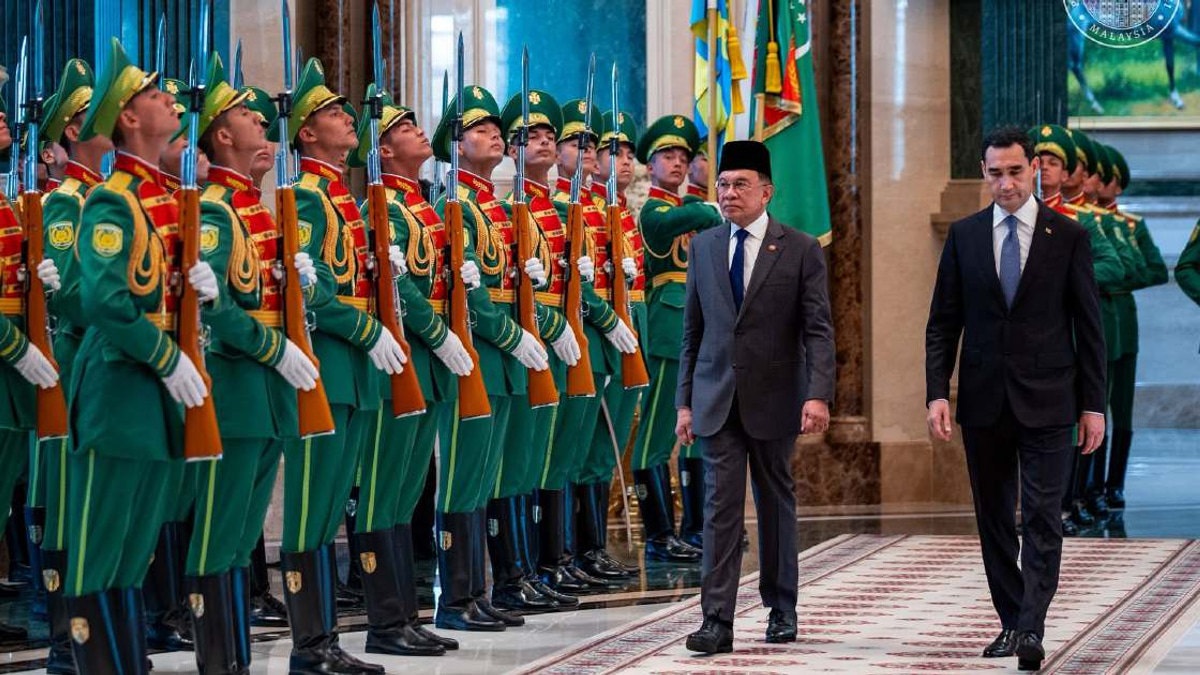
Anwar's two-day visit to Ashgabat encompassed formal state ceremonies, including reception by President Berdimuhamedov at the Presidential Palace, followed by bilateral meetings where delegations explored broader cooperation opportunities. These diplomatic protocols reflect the high political significance both governments attach to the relationship, moving beyond routine commercial interaction to encompass strategic alignment. Such senior-level engagement typically precedes expansion of cooperation across multiple sectors beyond energy.
For regional observers, the partnership illustrates how Central Asian nations increasingly look toward Asian partners for capital, technology, and market access as traditional European relationships evolve. Turkmenistan's engagement with Petronas reflects pragmatic diversification of international partnerships, reducing concentration risk from dependence on any single supplier or market. Similarly, Malaysia gains from accessing Central Asian hydrocarbon wealth, positioning Southeast Asian economies to participate in long-term regional energy abundance.
The agreement's emphasis on exploring future energy resources suggests both parties contemplate extending cooperation beyond conventional oil and gas development. Potential future collaboration could encompass renewable energy, hydrogen production, carbon management, or other emerging energy technologies reflecting global energy transition imperatives. Such forward-looking provisions indicate the partnership framework permits evolution as energy markets and technologies transform.
Longer term, the Petronas-Turkmenistan partnership contributes to establishing Malaysia as a significant player in Central Asian economic engagement. As Southeast Asian economies develop deeper connections with Central Asia, Malaysian companies operating in energy, finance, and technology sectors encounter expanding opportunities. Petronas' position in Turkmenistan creates template relationships that other Malaysian firms might replicate, potentially catalysing broader Malaysian business presence across Central Asia's emerging markets.