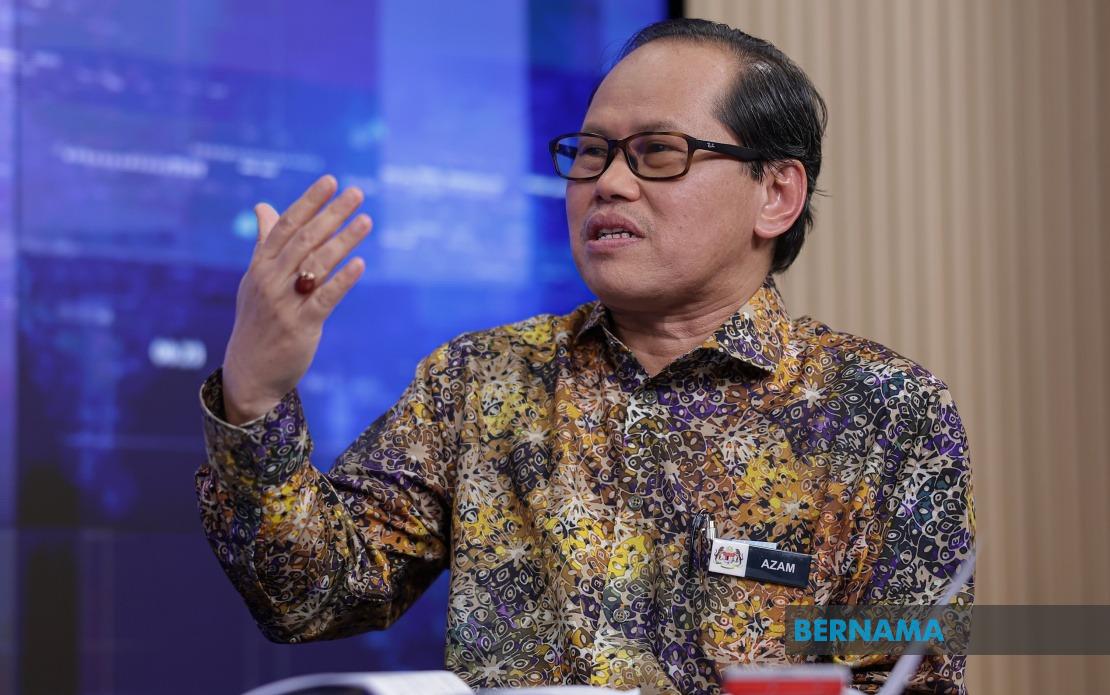
A 16-year-old Form Four student died at a secondary school in Seremban on Wednesday, prompting immediate investigations by state education authorities and police. Education Director-General Datuk Dr Mohd Azam Ahmad told reporters that preliminary findings have uncovered no evidence suggesting bullying played a role in the incident, which occurred during the school's academic reporting day. Speaking after visiting the student's family at Rembau Hospital's Forensic Unit, he emphasised that the victim appeared to have been in normal health and displayed no concerning behaviour when arriving at school that morning.
The incident unfolded shortly before mid-morning when the student requested permission to visit the toilet, a routine request that preceded the emergency discovered by school staff. Police received notification at 10.48 am of an unconscious student found within the school compound. Negeri Sembilan police chief Datuk Alzafny classified the case as a sudden death report and indicated that ongoing investigations would include witness statements and the post-mortem examination results. The circumstances surrounding the student's collapse remain under active investigation, with authorities working to establish the precise medical cause.
Datuk Dr Mohd Azam stressed that conversations with the deceased's parents revealed no indicators of interpersonal difficulties or concerns at school. He noted that the student's father was present on campus that day as part of the scheduled parent-teacher reporting sessions, which aim to discuss academic progress and achievements with guardians. This detail adds context to the timeline, as the incident occurred during a period when parental engagement at the school was heightened. The education chief confirmed that the student had no known medical history that might have contributed to the sudden collapse.
The Education Ministry has directed both the state education department and the school to conduct comprehensive examinations into all circumstances surrounding the death. This multi-layered investigation approach recognises the need for educational institutions to understand what occurred while respecting the ongoing police inquiry. Datuk Dr Mohd Azam acknowledged that while initial assessments suggest no foul play or peer harassment, thorough examination of available evidence remains essential to provide the family and public with clarity.
Recognising the psychological toll such incidents exact on school communities, the Education Ministry announced plans to provide psychosocial support to multiple groups affected by the tragedy. Counselling and mental health resources will be extended to family members, classmates of the deceased, and teaching staff who witnessed or learned of the incident. This coordinated welfare response reflects growing awareness in Malaysian education circles that sudden deaths on school premises create trauma extending beyond immediate witnesses, affecting entire school populations and requiring systematic pastoral care.
The Education Director-General made an explicit appeal to the public requesting restraint in sharing photographs, videos, or recordings related to the case. He framed this request around respect for family privacy during an exceptionally difficult period and concern that circulating such material could compound emotional distress for grieving relatives. In an era of rapid social media sharing, this intervention highlights institutional concerns about how graphic or speculative content can harm bereaved families while undermining investigative integrity.
Negeri Sembilan Menteri Besar Datuk Seri Aminuddin Harun and Education Minister Fadhlina Sidek were present during the hospital visit, signalling the government's acknowledgment of the case's significance and commitment to engaging with the affected family at senior levels. This high-level response reflects Malaysian governmental protocols for tragic incidents in educational settings, whereby ministerial presence aims to communicate institutional support and seriousness of purpose. The coordinated appearance by state and federal officials underscores that such incidents are treated as matters requiring multi-agency attention.
The academic reporting day context adds a particular dimension to understanding school dynamics at the moment of the incident. These scheduled days, designed to foster parent-child-teacher communication and celebrate academic achievements, represent periods of heightened school activity and emotional engagement. That the incident occurred during such an occasion, when parents are on campus and the school environment differs from routine schooling, may prove relevant to investigators seeking to understand environmental or situational factors. The father's presence at school that day also ensures a parent witness to the day's events, potentially aiding investigative efforts.
As post-mortem procedures proceed and police continue gathering witness accounts, the investigation will likely reveal medical factors contributing to the sudden death. Malaysian educational institutions have increased focus on student welfare protocols in recent years, prompted by similar incidents that have prompted public concern about school safety and student wellbeing. This case will probably inform ongoing discussions about emergency medical preparedness in schools, student health screening procedures, and the adequacy of first-aid resources and training among staff members.
The ministry's request for public support of the family, combined with institutional commitments to comprehensive investigation and psychological support, represents a measured response balancing transparency with compassion. Malaysian society has witnessed growing scrutiny of school safety following various incidents in recent years, making clear communication from education authorities increasingly important for maintaining public confidence in institutional safeguarding. As the investigation continues, authorities face the challenge of providing timely information that informs understanding without prejudging conclusions or compromising investigative procedures.
%22%2F%3E%3C%2Fpattern%3E%3C%2Fdefs%3E%3Crect%20width%3D%22100%25%22%20height%3D%22100%25%22%20fill%3D%22url(%23ph20rdog)%22%2F%3E%3Crect%20width%3D%22100%25%22%20height%3D%22100%25%22%20fill%3D%22url(%23ph20rdop)%22%2F%3E%3Ctext%20x%3D%2250%25%22%20y%3D%2250%25%22%20text-anchor%3D%22middle%22%20dominant-baseline%3D%22central%22%20fill%3D%22rgba(255%2C255%2C255%2C0.95)%22%20font-family%3D%22Georgia%2C%20'Times%20New%20Roman'%2C%20serif%22%20font-weight%3D%22700%22%20font-size%3D%22320%22%20letter-spacing%3D%22-0.02em%22%3EPKR%3C%2Ftext%3E%3C%2Fsvg%3E)