%22%2F%3E%3C%2Fpattern%3E%3C%2Fdefs%3E%3Crect%20width%3D%22100%25%22%20height%3D%22100%25%22%20fill%3D%22url(%23ph20rdog)%22%2F%3E%3Crect%20width%3D%22100%25%22%20height%3D%22100%25%22%20fill%3D%22url(%23ph20rdop)%22%2F%3E%3Ctext%20x%3D%2250%25%22%20y%3D%2250%25%22%20text-anchor%3D%22middle%22%20dominant-baseline%3D%22central%22%20fill%3D%22rgba(255%2C255%2C255%2C0.95)%22%20font-family%3D%22Georgia%2C%20'Times%20New%20Roman'%2C%20serif%22%20font-weight%3D%22700%22%20font-size%3D%22320%22%20letter-spacing%3D%22-0.02em%22%3EPKR%3C%2Ftext%3E%3C%2Fsvg%3E)
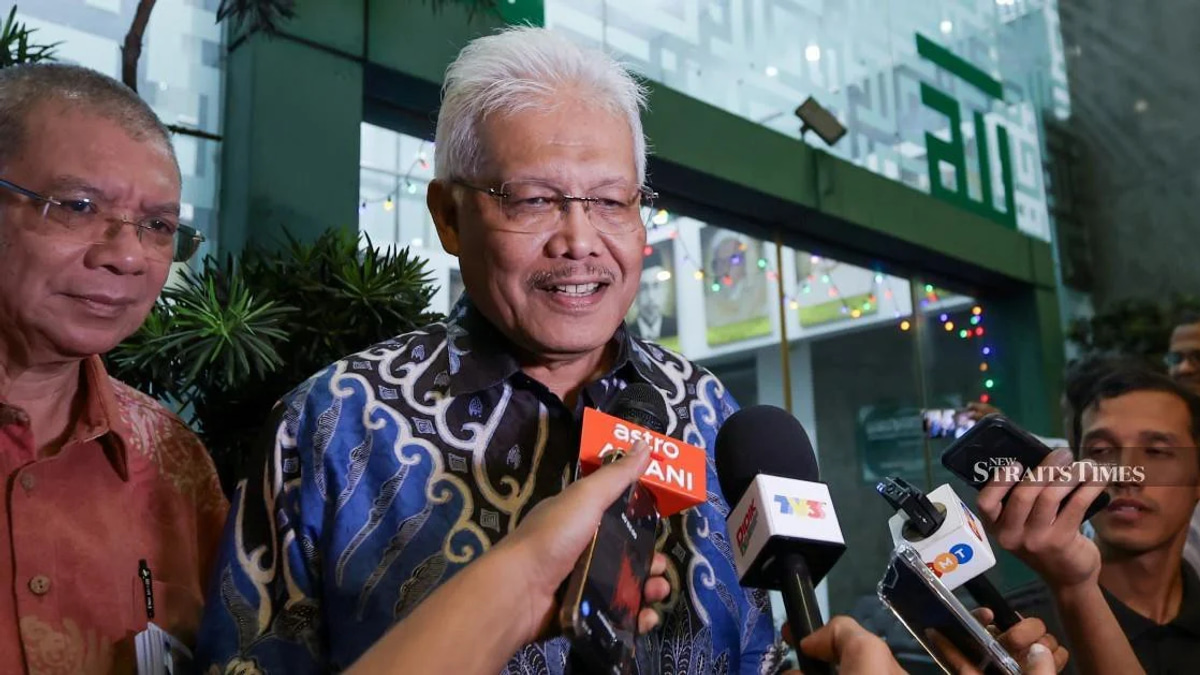
PKR's leadership indicated in Johor Bahru on June 19 that the party stands on the brink of unveiling its full slate of candidates for the coming state elections in Johor and Negeri Sembilan, having resolved substantially all outstanding questions about who will carry the party's banner in those contests. The secretary-general's disclosure that preparations have reached 99% completion signals a momentous step forward for the party as it positions itself across two critical electoral battlegrounds in the peninsula.
The near-completion of candidate lists reflects weeks of internal deliberation, negotiation, and vetting procedures that have occupied PKR's party machinery. State-level elections in Johor and Negeri Sembilan represent significant opportunities for the party to consolidate or expand its legislative presence, and the careful selection process underscores the strategic importance these contests carry. The final 1% of decisions likely involves resolving any remaining disputes or last-minute adjustments rather than wholesale reorganisation of the proposed lineup.
For Malaysian voters in these two states, the imminence of candidate announcements marks the beginning of the active election campaign phase. Johor, a populous state with considerable economic and political influence, has long been a focal point in national politics, while Negeri Sembilan, though geographically smaller, occupies a strategically important position within the Klang Valley's broader political ecosystem. PKR's performance in both states could meaningfully affect the party's standing ahead of any future federal electoral contests.
PKR's rapid progress in candidate selection contrasts with broader coalition dynamics, as opposition parties and the government's alliance partners often encounter protracted negotiations when deciding who represents their interests in state polls. The fact that PKR has managed to advance so far without apparent major public discord suggests either strong internal discipline or effective management of competing factional interests within the party. Such efficiency can translate into momentum in the campaign period, allowing the party to focus on messaging rather than continuing to resolve internal logistics.
Regional observers have watched PKR's organisational capacity with interest, particularly given the party's role within the broader Democratic Action Party-led Pakatan Harapan coalition and its evolving relationship with the Malaysian United Indigenous Party, which exerts considerable influence in Peninsular Malaysia. How PKR deploys its candidates in Johor and Negeri Sembilan could signal the party's strategic priorities and its calculations about which constituencies offer realistic paths to legislative seats in the current political environment.
The Johor electoral contest carries particular weight, as the state has historically served as a barometer for peninsular politics. With manufacturing, port operations, and agricultural sectors all contributing substantially to the state economy, Johor voters often factor economic competence and leadership stability into their electoral calculus. PKR's candidate selections there will likely reflect assessments about which individuals possess credibility on these bread-and-butter issues in their respective districts.
Negeri Sembilan, meanwhile, sits adjacent to Kuala Lumpur and Selangor, two states that have seen significant political volatility in recent electoral cycles. The state's location makes it vulnerable to spillover effects from neighbouring political developments, and candidates selected for Negeri Sembilan contests will need strong local roots and community connections to persuade voters they understand local concerns distinct from federal politics. PKR's final candidate announcements should reveal how the party has balanced these considerations.
The timing of the secretary-general's confirmation also matters for coalition partners and potential rivals trying to plan their own electoral strategies. Once PKR formally announces its candidates, other parties gain clarity about which seats are contested and which might remain uncontested due to coalition agreements or strategic withdrawals. This information cascade typically triggers rapid responses from competing political formations as they adjust their own campaign allocations and resource deployment.
Party insiders have suggested that the remaining 1% of candidate decisions might involve finalising a handful of particularly competitive or sensitive seats where internal consensus had proven elusive. Such hotly disputed nominations often involve incumbent lawmakers seeking re-selection, ambitious newcomers challenging entrenched figures, or divisions along ideological or ethnic lines within local party chapters. How the party's leadership resolves these final matters could influence morale among party workers and activists who will ultimately drive ground-level campaign efforts.
For the broader Malaysian electorate, PKR's readiness for these elections contributes to the overall political preparedness across the country's major parties. Electoral contests in Johor and Negeri Sembilan, whenever held, will command intense media scrutiny and resource investment from multiple political sides, making these states important testing grounds for campaign strategies that may reappear in future federal elections. The substance and credibility of PKR's candidate lists could substantially influence how voters assess the party's viability and appeal when ballots are eventually cast in these two states.
%22%2F%3E%3C%2Fpattern%3E%3C%2Fdefs%3E%3Crect%20width%3D%22100%25%22%20height%3D%22100%25%22%20fill%3D%22url(%23ph3sm85g)%22%2F%3E%3Crect%20width%3D%22100%25%22%20height%3D%22100%25%22%20fill%3D%22url(%23ph3sm85p)%22%2F%3E%3Ctext%20x%3D%2250%25%22%20y%3D%2250%25%22%20text-anchor%3D%22middle%22%20dominant-baseline%3D%22central%22%20fill%3D%22rgba(255%2C255%2C255%2C0.95)%22%20font-family%3D%22Georgia%2C%20'Times%20New%20Roman'%2C%20serif%22%20font-weight%3D%22700%22%20font-size%3D%22226%22%20letter-spacing%3D%22-0.02em%22%3ERussia%3C%2Ftext%3E%3C%2Fsvg%3E)