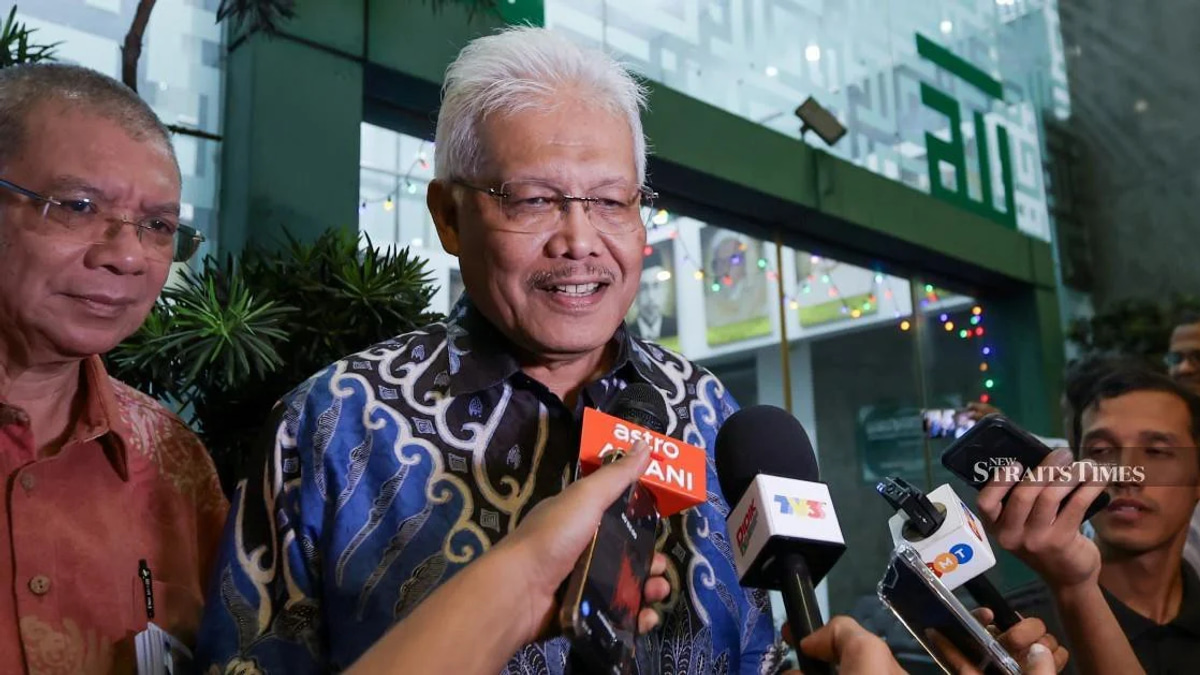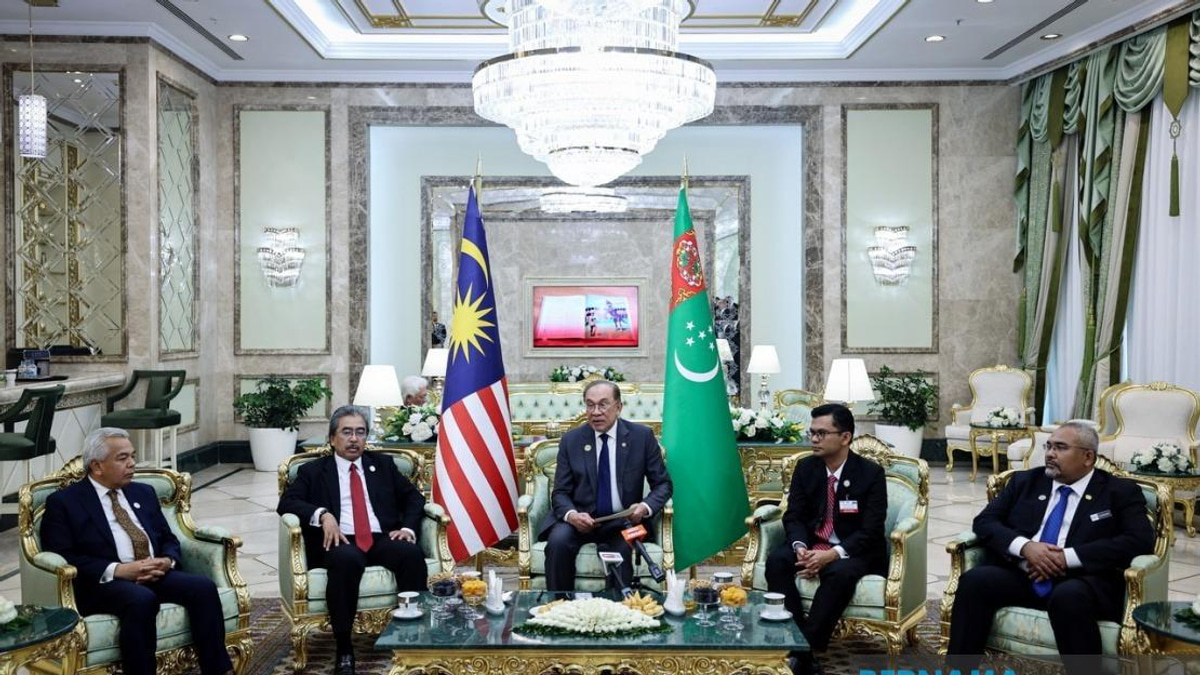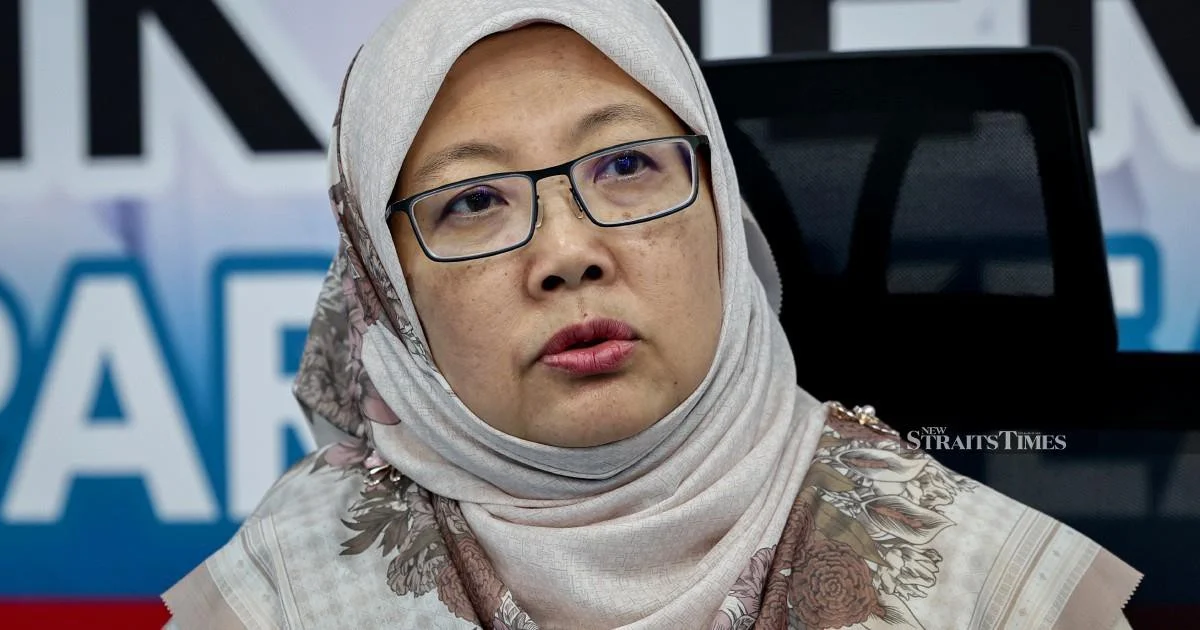
PKR vice-president Datuk Seri Dr Zaliha Mustafa has publicly challenged the coherence of Johor Barisan Nasional chairman Datuk Onn Hafiz Ghazi's position on whether Pakatan Harapan should announce its menteri besar candidate in advance of the upcoming Johor state election. Speaking in Kuala Lumpur, Zaliha pointed to what she characterised as contradictions in Onn Hafiz's public statements, suggesting his demands lack a consistent rationale and may be strategically motivated rather than principled.
The debate over candidate nomination timing has emerged as a contentious issue in Johor politics ahead of the state election. Onn Hafiz, as head of BN operations in the state, has repeatedly insisted that the Pakatan Harapan coalition must name its intended menteri besar hopeful publicly and well in advance, framing this as a matter of democratic transparency and voter information. However, Zaliha's intervention suggests that BN's own handling of candidate selection—and Onn Hafiz's varying commentary on the matter—undermines the strength of such arguments.
The timing of candidate declarations has become increasingly strategic in Malaysian electoral politics. Political coalitions must balance the strategic advantages of early announcements, which build campaign momentum and allow groundwork to begin sooner, against the risks of exposing their leadership choices to sustained opposition attacks over months. In Johor specifically, where BN has traditionally held dominance but faces renewed pressure from both PH and Perikatan Nasional, the choice of menteri besar carries outsized significance for determining the state's direction and resource allocation.
Zaliha's questioning appears designed to expose what she views as inconsistent application of standards. If transparency in candidate selection were genuinely Onn Hafiz's governing principle, the logic goes, he would advocate equally for BN to announce its own candidate formally and early, rather than reserving this pressure exclusively for the opposition. Her challenge invites scrutiny of whether the demand serves principled democratic values or functions primarily as tactical pressure against rivals.
The menteri besar position in Johor holds particular weight within Malaysian politics. As the second-most populous state and a historically BN stronghold, the outcome of Johor elections frequently signals broader national trends. The menteri besar shapes state economic policy, directs substantial budget allocations, and influences the political complexion of the entire state machinery. Both BN and PH recognize that controlling this position requires not just winning the election but securing the right candidate—someone perceived as capable, relatively untainted, and able to command cross-party support if coalitions shift post-election.
Pakatan Harapan has faced persistent pressure to commit to a menteri besar candidate from multiple quarters, not only from BN but also from civil society groups and voter advocacy networks demanding clarity. However, PH's coalition structure—encompassing PKR, DAP, and Amanah with sometimes competing interests—makes early commitments fraught. Naming a candidate months before polling day creates internal strains and potentially alienates factions believing their community, ethnicity, or party deserves the top post. For the coalition, maintaining unity while satisfying external transparency demands represents a genuine strategic dilemma.
Onn Hafiz, as Johor Mentri Besar since 2022 and BN's state chairman, wields considerable institutional power and has used his platform to shape narrative around the election. His insistence on PH naming candidates early could be read as an attempt to force the opposition coalition into an uncomfortable position that splits it internally or alienates key constituencies. Alternatively, his position might reflect genuine concern that voters deserve to know in advance whom they would be voting for as their top state executive.
Zaliha's intervention brings PKR's perspective into the public sphere with particular force, as she represents one of the three major coalition partners. Her questioning of Onn Hafiz's consistency serves multiple purposes simultaneously—defending PH's current strategy, signalling that the coalition will not be pushed into premature commitments, and casting doubt on BN's good faith in raising these demands. By framing Onn Hafiz's position as logically incoherent, she attempts to neutralize what might otherwise appear as a reasonable voter interest in early transparency.
The broader context includes Malaysia's recent history of post-election coalition shifts and government formations. The 2018 federal election saw unexpected alliances, followed by several changes in government leadership and composition. In Johor specifically, political calculations about which candidate can retain support after election day—or attract support from independents and smaller parties—shape how coalitions approach candidate selection. This history makes early announcements riskier, as parties cannot guarantee their chosen candidate will retain allies throughout a campaign or that post-election negotiations will unfold as anticipated.
In Southeast Asian electoral contexts more broadly, the timing of candidate announcements reflects fundamental questions about how party systems operate and what democratic accountability means. Malaysia's Westminster-influenced system technically allows for substantial post-election negotiation and coalition formation, unlike pure presidential systems where voters directly elect executives. This creates legitimate uncertainty about whether naming candidates well in advance genuinely serves voter interests or simply creates extended campaign periods that exhaust resources and public attention.
Moving forward, the menteri besar candidacy question will likely remain contested throughout the pre-election period. Zaliha's public challenge to Onn Hafiz's consistency may embolden PH to resist external pressure and maintain internal flexibility regarding candidate selection. Simultaneously, BN may intensify its demands, banking on the notion that public pressure and media amplification could eventually force PH's hand. For Malaysian voters and political observers, the unfolding exchange reveals how candidate selection processes remain deeply intertwined with coalition management, electoral strategy, and competing visions of democratic practice.
%22%2F%3E%3C%2Fpattern%3E%3C%2Fdefs%3E%3Crect%20width%3D%22100%25%22%20height%3D%22100%25%22%20fill%3D%22url(%23ph3sm85g)%22%2F%3E%3Crect%20width%3D%22100%25%22%20height%3D%22100%25%22%20fill%3D%22url(%23ph3sm85p)%22%2F%3E%3Ctext%20x%3D%2250%25%22%20y%3D%2250%25%22%20text-anchor%3D%22middle%22%20dominant-baseline%3D%22central%22%20fill%3D%22rgba(255%2C255%2C255%2C0.95)%22%20font-family%3D%22Georgia%2C%20'Times%20New%20Roman'%2C%20serif%22%20font-weight%3D%22700%22%20font-size%3D%22226%22%20letter-spacing%3D%22-0.02em%22%3ERussia%3C%2Ftext%3E%3C%2Fsvg%3E)