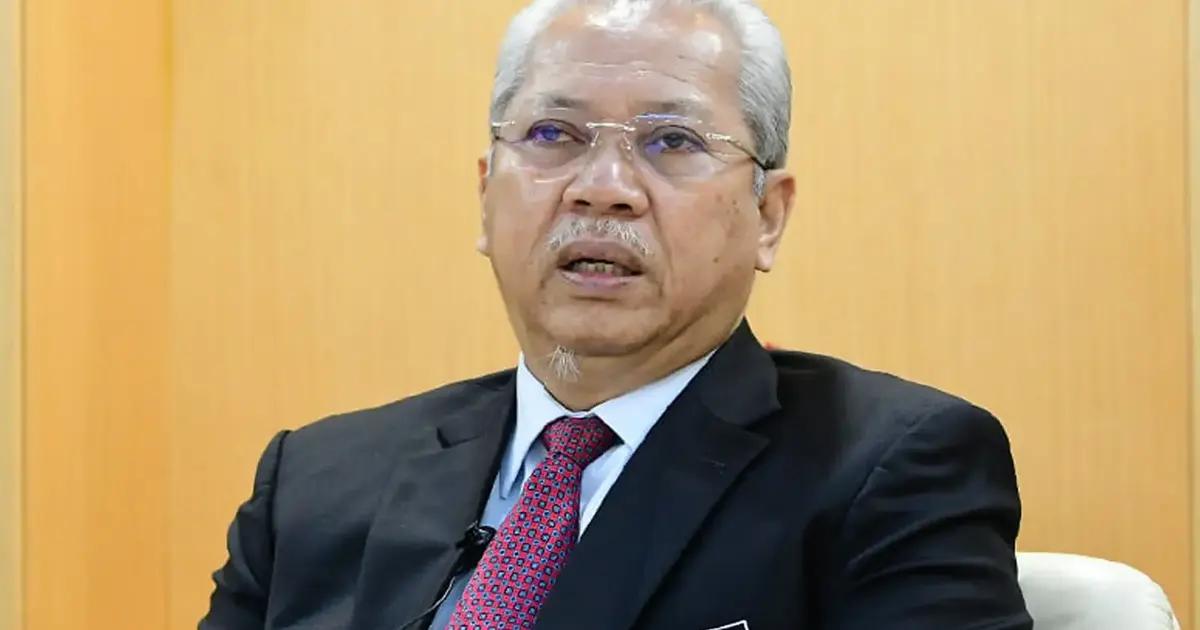
Perikatan Nasional is set to confront mounting tensions within its ranks as its Supreme Council convenes on Monday to address fundamental questions about Bersatu's standing within the coalition and clarify which party emblem opposition allies are permitted to deploy in upcoming elections. Information chief Annuar Musa underscored that these contentious matters—stemming from weeks of political friction—cannot be adequately resolved through informal channels and demand the formal deliberation of the coalition's highest decision-making body.
The coalition faces a critical juncture as unresolved disputes threaten to undermine the unity required for coordinated electoral campaigns. Bersatu's position within PN has become increasingly fraught, with questions mounting about whether the party's commitment to the alliance remains steadfast or whether differing strategic priorities are widening the fault lines. The logo controversy, while ostensibly a technical matter, reflects deeper anxieties about the coalition's identity and the relative standing of its constituent members.
Annuar Musa's intervention signals that PN leadership recognizes the severity of these internal fractures and the urgency of reaching definitive conclusions before momentum toward electoral contests is lost. His statement that only the Supreme Council possesses sufficient authority to settle these questions demonstrates how contentious the disagreements have become, transcending the scope of bilateral negotiations between party leaders. The coalition framework itself appears strained by the weight of these disputes.
Beyond the constitutional questions regarding Bersatu's membership and logo usage rights, the Monday gathering carries immediate practical consequences for two significant state elections. Johor and Negeri Sembilan are scheduled for electoral contests that will require coordinated PN campaign efforts and unified messaging across alliance partners. The allocation of parliamentary and state assembly seats between coalition members has emerged as another flashpoint, with differing expectations about representation and vote-winning capacity creating friction over candidate selection.
The seat allocation negotiations highlight a broader tension within opposition coalitions across Southeast Asia: balancing the electoral weight and organizational strength of larger components against the political ambitions and survival instincts of smaller partners. Smaller parties within such alliances frequently worry about marginalization, while larger parties grow impatient with accommodating partners who contribute less electoral muscle but demand proportional representation.
For Malaysian observers, the spectacle of PN grappling with these organizational challenges offers insights into the fragility of political coalitions constructed around shared opposition to ruling parties rather than coherent ideological platforms or complementary policy agendas. Unlike dominant coalitions anchored by established governing relationships and institutional habits, looser alliances like PN remain vulnerable to centrifugal forces that intensify during periods of electoral uncertainty.
The timing of the Supreme Council meeting, just days before seat allocation announcements and campaign launches, suggests that PN strategists understand they cannot afford extended deliberations on procedural matters. The window for candidate registration and campaign preparation narrows by the day, making further delays counterproductive. This temporal pressure may actually encourage resolution, as all coalition members recognize that prolonged internal disputation serves no one's electoral interests.
Bersatu's particular vulnerability within this dynamic warrants attention. As a smaller component party within PN's structure, Bersatu nonetheless claims significant organizational presence and leadership talent, creating expectations that exceed what seat allocation formulas might dictate. The party's complicated history—including its role in government transitions and factional divisions—compounds sensitivities within the coalition about its trajectory and ambitions.
The resolution of these disputes will reverberate beyond PN's immediate circle, potentially affecting how opposition parties across Malaysia and neighboring countries calibrate their coalition strategies. If PN demonstrates capacity to manage internal differences through formal institutional mechanisms, other opposition combinations may adopt similar approaches. Conversely, if the Supreme Council meeting produces compromise solutions that satisfy neither party completely, it may signal that opposition coalitions remain inherently unstable arrangements incapable of sustained coherence.
For Johor and Negeri Sembilan electorates preparing for state elections, the resolution of these internal coalition matters carries direct consequences. Candidate quality and local organizational momentum depend partly on how effectively PN partners coordinate their efforts and project unified campaign messages. Lingering uncertainty about seat distributions and strategic direction could dampen enthusiasm among grassroots supporters and confuse voters attempting to understand opposition positioning.
Annuar Musa's role as information chief positions him as a potential bridge figure capable of articulating compromise positions or mediating between competing interests. His public statements on the Supreme Council meeting appear calibrated to reinforce the coalition's commitment to finding solutions while acknowledging that contentious matters require formal deliberative procedures rather than back-channel negotiations.
The outcomes announced following Monday's Supreme Council meeting will likely indicate whether PN has consolidated sufficient internal consensus to present a unified electoral front, or whether underlying tensions will continue festering beneath a veneer of coordination. The stakes extend beyond seat allocations and logo rights to fundamental questions about whether opposition coalitions can achieve the organizational coherence and strategic alignment necessary to pose genuine challenges to established political structures.