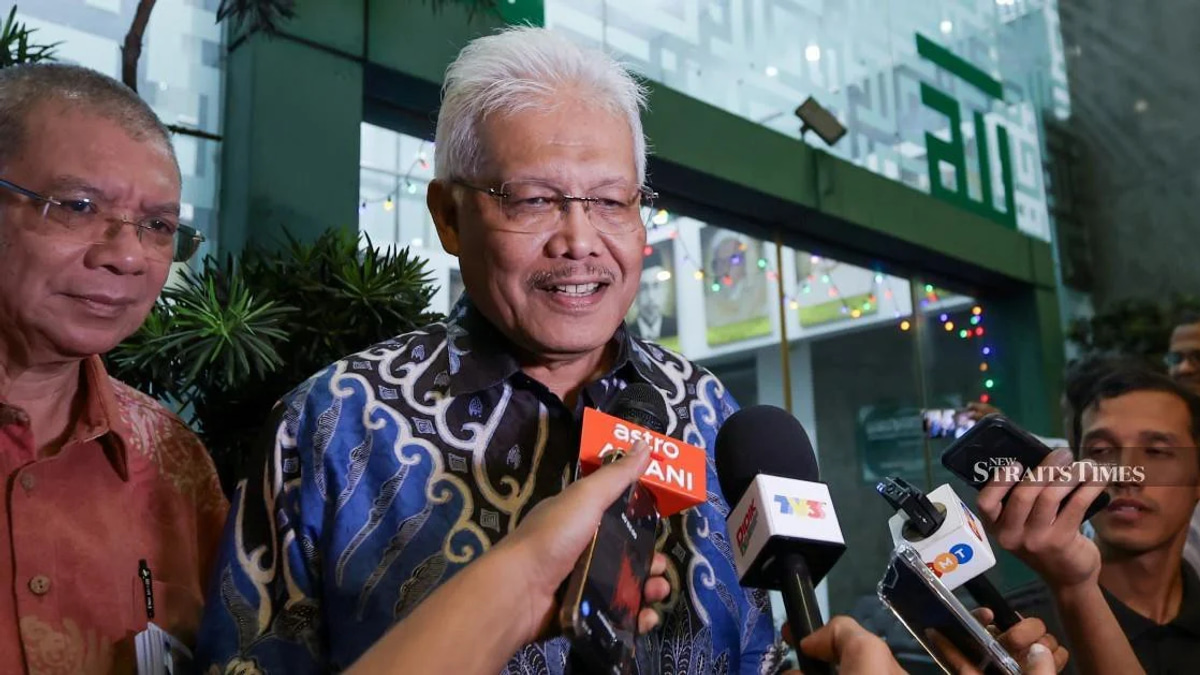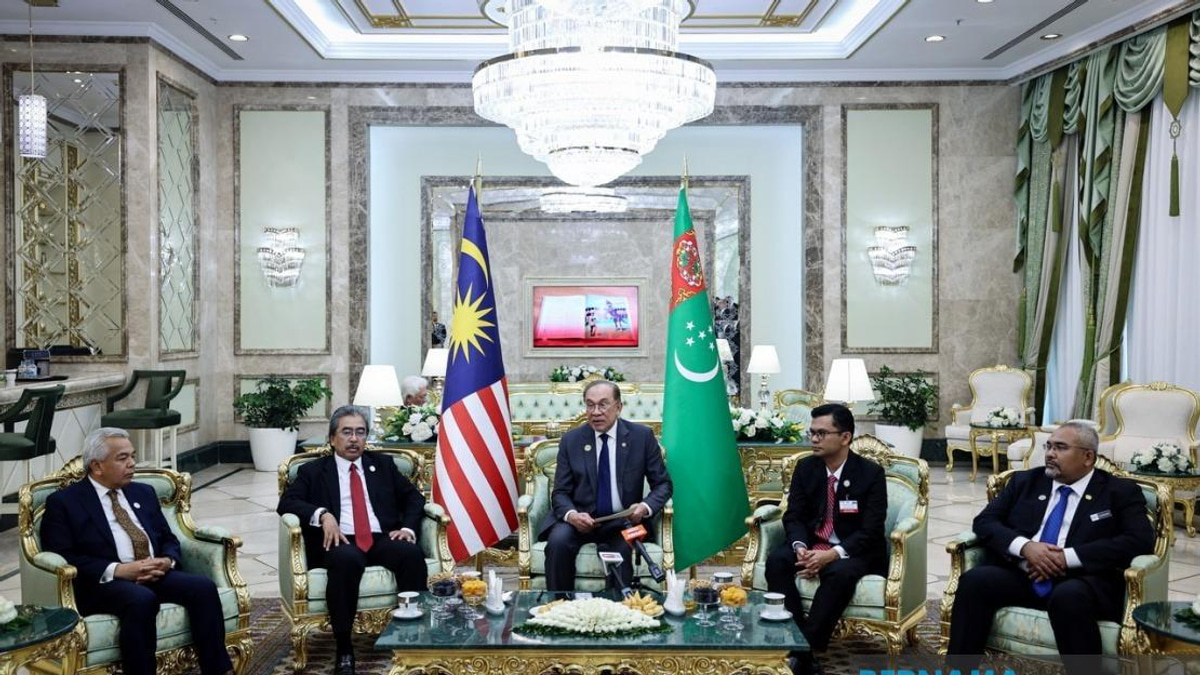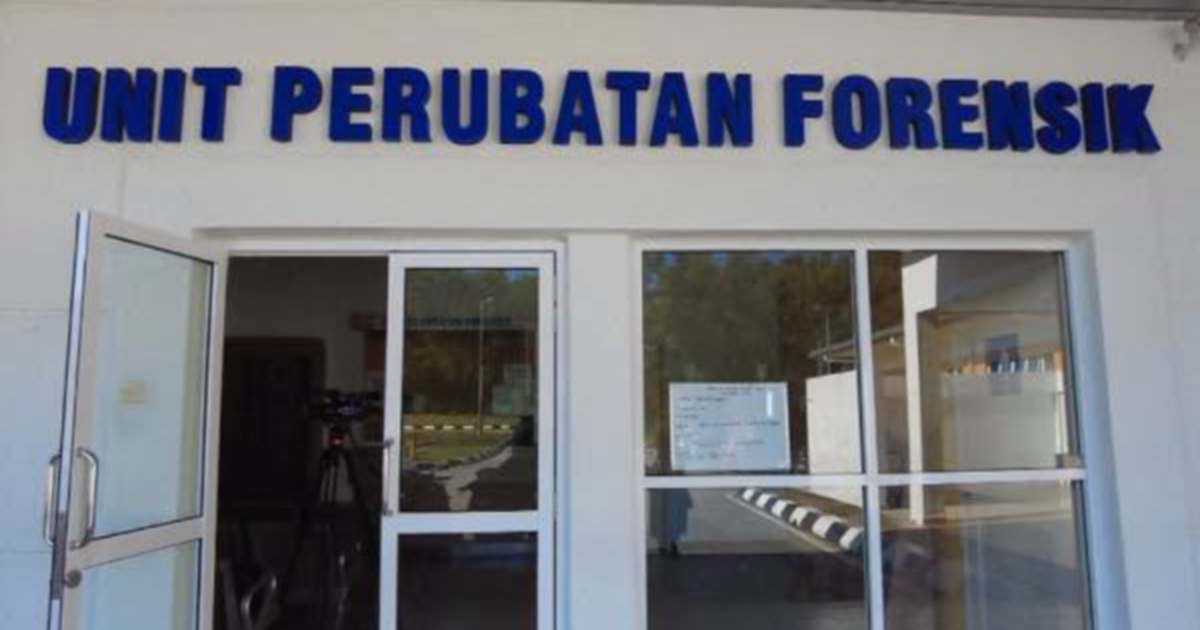
Prime Minister Datuk Seri Anwar Ibrahim has expressed his sympathies to the bereaved family following the death of a Form Four female student at a secondary school in Seremban, as Malaysia grapples with another tragedy in its educational institutions. The student's passing at the school this morning has prompted immediate concern from the highest levels of government, underscoring the vulnerability of young lives within the education system and the unexpected nature of such incidents.
The death of a teenage student in a school environment represents a significant event that raises urgent questions about student safety and welfare protocols within Malaysian secondary institutions. Educational facilities across the country have in recent years faced increased scrutiny regarding their ability to protect and support students' physical and mental wellbeing. Each such incident triggers broader conversations about what preventative measures exist and whether they are adequately implemented.
Seremban, the capital of Negeri Sembilan, is home to numerous educational institutions serving students from across the state. The secondary school where this tragedy occurred would typically accommodate hundreds of students navigating the formative years of their education. The loss of a young life in such a setting extends beyond the immediate family, affecting the school community, fellow students, and educators who work daily in these environments.
Form Four students in Malaysia's education system are typically fifteen to seventeen years old, at a critical developmental stage where they balance academic pressures with personal growth. These students face increasing expectations regarding examination performance, career preparation, and social integration—factors that contribute to the complex pressures experienced by Malaysian teenagers today. Understanding the circumstances surrounding such deaths becomes important for parents, educators, and policymakers seeking to safeguard other students.
The Prime Minister's direct expression of condolences signals the government's recognition of the gravity of student welfare issues within schools. In his capacity as head of government, Anwar Ibrahim's acknowledgment demonstrates that such incidents receive attention at the nation's highest political level. This engagement may prompt subsequent government action, whether through investigations into the circumstances or through policy reviews aimed at enhancing student protection measures.
School-related incidents have increasingly become matters of public concern in Malaysia, with various stakeholders—including parents, educators, and civil society organisations—advocating for stronger safeguards. The Ministry of Education has periodically reviewed its guidelines regarding student support services, counselling availability, and emergency response protocols. However, implementation varies across different schools, and resource constraints sometimes limit the comprehensiveness of support services available to students.
The broader context of student wellbeing in Malaysia encompasses multiple dimensions, from academic stress management to mental health support and physical safety. Secondary schools serve as spaces where students spend substantial portions of their days, making institutional responsibility for student welfare considerable. Incidents that result in student deaths prompt necessary reflection on whether existing frameworks adequately address the diverse needs and vulnerabilities of the adolescent population.
Family support networks and community response following such tragedies play crucial roles in processing grief and understanding what might have contributed to the incident. Malaysian society, with its emphasis on strong family bonds and community solidarity, typically mobilises around bereaved families during such difficult periods. The Prime Minister's gesture, while symbolic, represents the government's participation in this broader expression of communal support.
Moving forward, the circumstances surrounding this student's death will likely be thoroughly investigated. Educational authorities typically examine such incidents to identify any systemic failures or warning signs that may have been overlooked. These investigations contribute to incremental improvements in school safety protocols and support systems, though critics argue that reactive measures often come too late for the victims involved.
The incident also highlights the importance of preventative approaches to student welfare, including early identification of students experiencing physical or psychological distress, adequate counselling services, and staff training in recognising warning signs. Many Malaysian schools have begun implementing more comprehensive mental health awareness programmes, recognising that early intervention can prevent tragic outcomes. However, scaling these efforts across all schools nationally remains a significant challenge requiring sustained funding and commitment.
For Malaysian parents, news of student deaths at schools inevitably raises concerns about their own children's safety and wellbeing. Such incidents motivate conversations between parents and students about school experiences, friendships, and any difficulties being encountered. Schools themselves often mobilise counselling support for affected student communities, recognising that peer trauma can have lasting psychological impacts.
The death represents a stark reminder that Malaysian teenagers, despite generally living in a stable and developed country, face vulnerabilities requiring constant institutional attention. Beyond academic excellence, schools must function as safe havens where young people can develop into healthy, balanced adults. Prime Minister Anwar Ibrahim's expression of condolences affirms this expectation while prompting renewed examination of whether current structures adequately fulfil this fundamental societal responsibility.
%22%2F%3E%3C%2Fpattern%3E%3C%2Fdefs%3E%3Crect%20width%3D%22100%25%22%20height%3D%22100%25%22%20fill%3D%22url(%23ph3sm85g)%22%2F%3E%3Crect%20width%3D%22100%25%22%20height%3D%22100%25%22%20fill%3D%22url(%23ph3sm85p)%22%2F%3E%3Ctext%20x%3D%2250%25%22%20y%3D%2250%25%22%20text-anchor%3D%22middle%22%20dominant-baseline%3D%22central%22%20fill%3D%22rgba(255%2C255%2C255%2C0.95)%22%20font-family%3D%22Georgia%2C%20'Times%20New%20Roman'%2C%20serif%22%20font-weight%3D%22700%22%20font-size%3D%22226%22%20letter-spacing%3D%22-0.02em%22%3ERussia%3C%2Ftext%3E%3C%2Fsvg%3E)