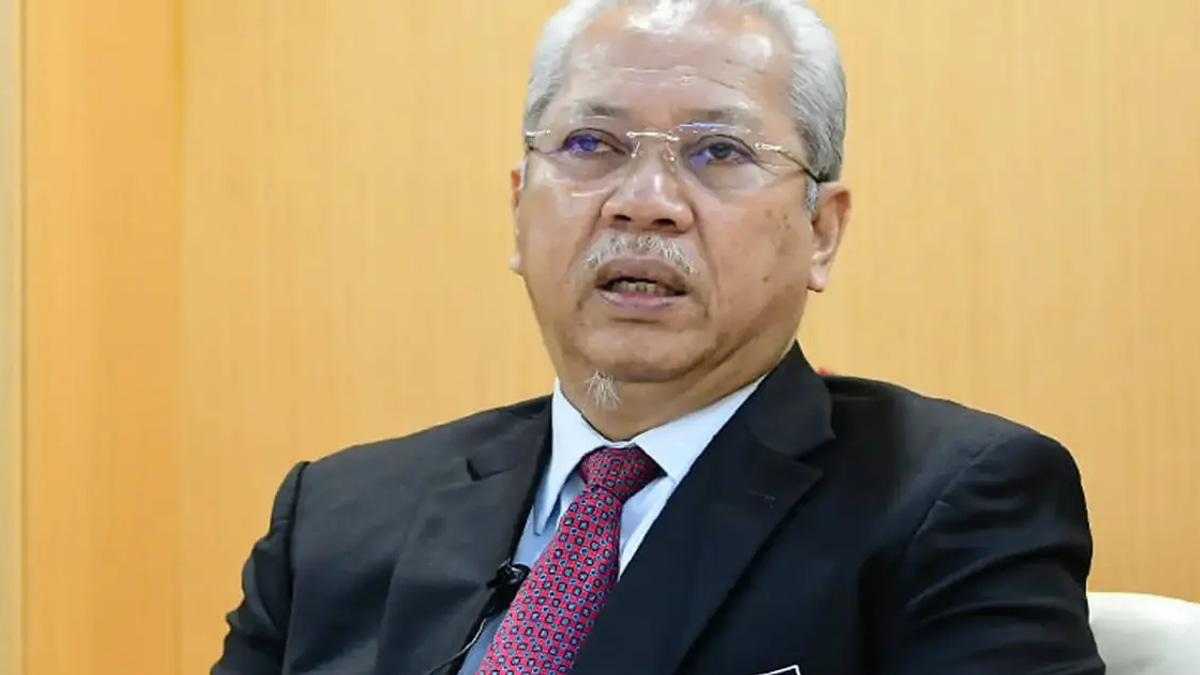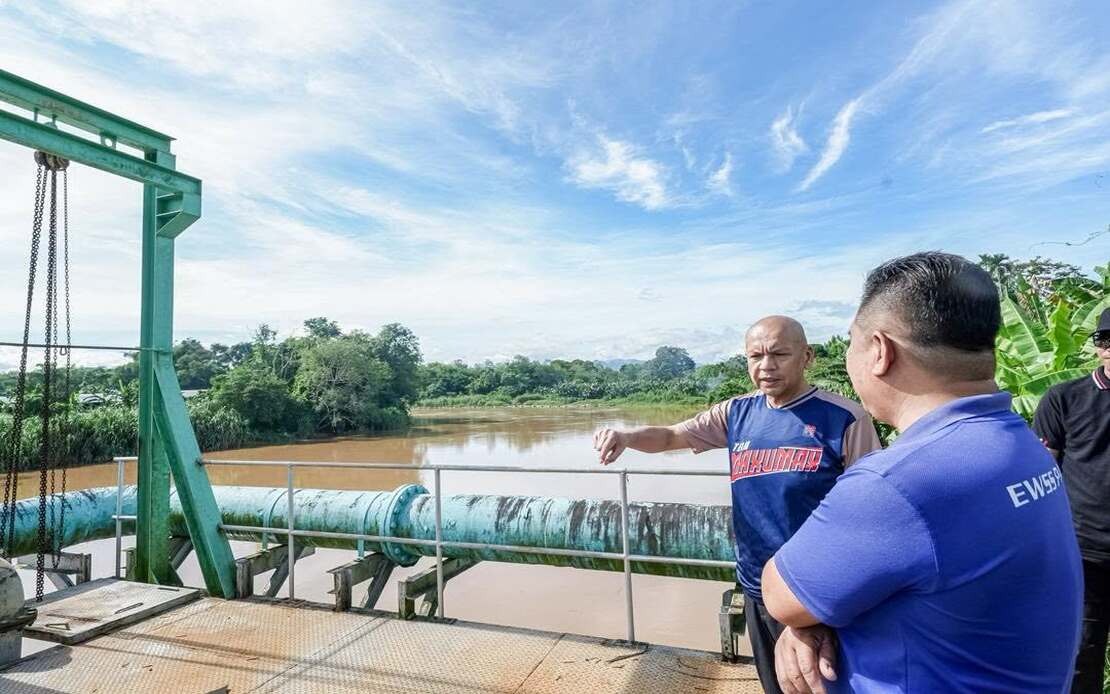
Domestic Trade and Cost of Living Minister Datuk Armizan Mohd Ali has conducted a field inspection of multiple water supply infrastructure projects in Papar, his parliamentary constituency, to assess implementation progress and ensure timely resolution of water distribution challenges affecting residents across the district. The visit followed a dedicated coordination meeting held on June 15 to evaluate the status of various stabilization initiatives and devise strategies to address ongoing supply concerns in the area.
Two significant infrastructure initiatives currently under construction form the centrepiece of efforts to bolster water availability in Papar. The Kogopon Water Treatment Plant is being upgraded to double its production capacity from 40 million litres per day to 80 million litres per day, a substantial expansion designed to meet growing residential and commercial demand. Simultaneously, the Kampung Kabang intake facility is undergoing modernization as part of a comprehensive strategy to enhance system efficiency and resilience across the district's water network.
These capacity expansion projects represent a critical response to the mounting pressure on Papar's water infrastructure. The district has experienced sustained population growth and economic development over recent years, placing considerable strain on existing treatment and distribution facilities. Officials recognize that aging infrastructure designed for historical demand levels cannot sustain current consumption patterns, making these upgrades essential to prevent future shortages and service disruptions that could hinder economic activity and residents' quality of life.
However, the district faces more immediate operational challenges that require urgent attention. Both the EWSS Plant and the JETAMA Limbahau Plant have experienced temporary shutdowns during recent weeks due to elevated turbidity levels in raw water sources. Turbidity, measured in nephelometric turbidity units or NTU, indicates the presence of suspended particles and sediment that compromise water quality. When incoming water quality deteriorates beyond acceptable treatment thresholds, operators must halt processing operations until source water conditions improve sufficiently for safe treatment and distribution.
These turbidity incidents highlight the vulnerability of water systems to environmental and seasonal fluctuations. Heavy rainfall, upstream agricultural activity, and natural weathering can all increase sediment loads in rivers and reservoirs that serve as water sources. For treatment plant operators, rapid changes in raw water quality present significant operational dilemmas—continuing treatment with overly turbid water risks compromising treated water quality, yet closing facilities creates immediate supply gaps for consumers. Papar's recent experience underscores how dependent modern urban water systems remain on consistent source water quality, a challenge that becomes more acute during monsoon seasons and periods of heavy rainfall.
Armizan's on-site assessment reflects a hands-on management approach to infrastructure oversight, moving beyond routine administrative review to directly observe conditions and engage with operational staff. Such field visits generate practical intelligence about implementation timelines, technical obstacles, and resource constraints that may not surface in formal reporting channels. By witnessing plant operations firsthand and discussing challenges with facility managers, ministerial oversight can identify bottlenecks and facilitate cross-agency coordination to expedite problem-solving.
The minister emphasized that direct field monitoring provides an accurate understanding of the difficulties confronting water supply managers and enables authorities to formulate and implement solutions more swiftly and effectively. This perspective reflects recognition that centralized desk-based management often lacks sufficient visibility into ground-level realities. The complexities of maintaining continuous water supply to thousands of consumers while simultaneously managing infrastructure upgrades, operational disruptions, and environmental variability require sustained attention and rapid decision-making informed by current, accurate information about system status.
For Malaysian consumers and businesses in Papar, these infrastructure initiatives carry significant implications. Completed upgrades to treatment plant capacity and intake systems promise more reliable supply with fewer interruptions during peak demand periods. However, the recent turbidity-related disruptions serve as a reminder that even well-managed systems remain vulnerable to environmental stresses and unexpected operational challenges. Residents and businesses should anticipate that completing these major capital works may involve periodic adjustments to service during construction phases.
The Papar situation also illustrates broader water security challenges facing Sabah and other Malaysian states as populations expand and climate patterns show increasing variability. Treatment plant upgrades represent necessary but expensive responses to mounting demand, while raw water quality management requires sustained investment in watershed protection, pollution control, and reservoir management. Successful water supply depends not merely on expanding treatment capacity but on protecting source water quality—a challenge that involves coordination across multiple government agencies, local communities, and environmental management practices.
Looking forward, authorities must balance the timeline pressures of completing Kogopon and Kampung Kabang upgrades while maintaining reliable supply during the transition period. The recent turbidity incidents suggest that operational resilience requires redundancy—having alternative supply sources or treatment pathways to sustain distribution when primary facilities encounter problems. As Papar continues developing economically, sustained attention to water infrastructure planning and investment will remain essential to preventing supply constraints that could impede further growth and prosperity in the district.