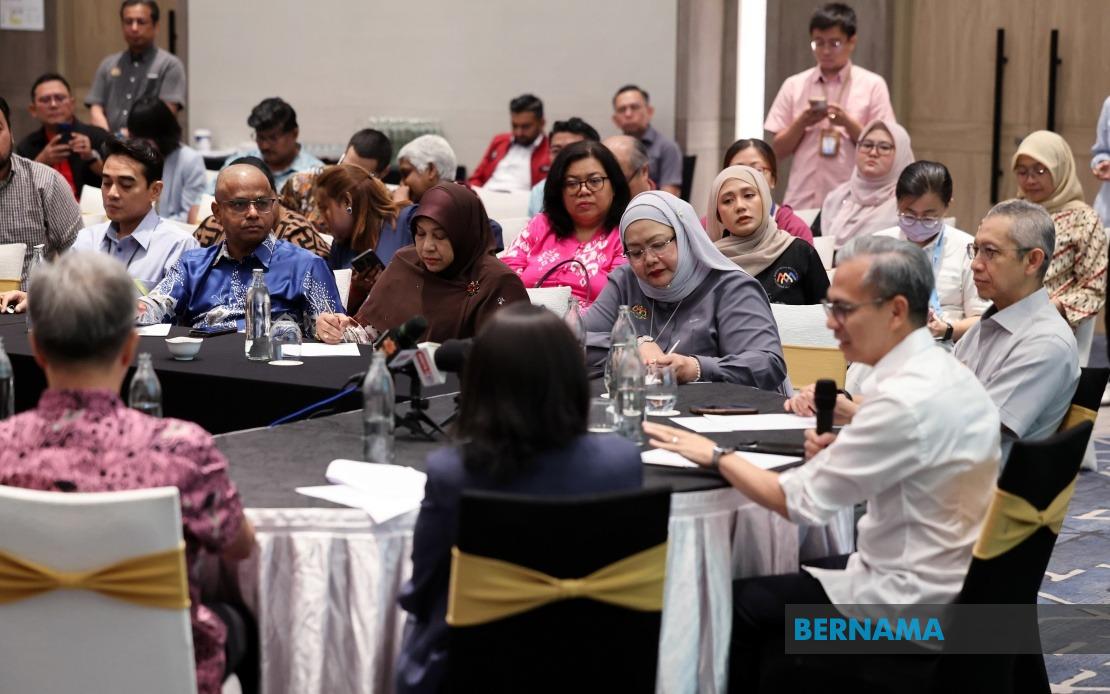
The HAWANA 2026 Summit formally commenced today at the PICCA@Arena Butterworth Convention Centre as media professionals and strategic partners from across Malaysia and neighbouring ASEAN nations began converging on the northern Malaysian venue. The gathering marks a significant moment for regional journalism, bringing together industry representatives to address pressing challenges facing media institutions across Southeast Asia.
Among the early arrivals, attendees took time to familiarise themselves with the event's offerings, including specialised exhibition booths and a curated photo gallery situated in the convention centre's main foyer. These displays provide windows into recent developments within the media industry, while simultaneously offering networking opportunities for journalists and communications specialists to reconnect with peers from diverse media organisations they may not encounter regularly within their normal professional routines.
The decision to invite delegates from across the ASEAN region underscores a deliberate strategic approach to positioning HAWANA as more than a domestic gathering. By incorporating representation from neighbouring countries, the summit acknowledges the increasingly interconnected nature of Southeast Asian media landscapes and the shared challenges that journalists and news organisations face within the region. Cross-border media cooperation has become essential as digital platforms enable simultaneous news consumption across boundaries and misinformation spreads rapidly across multiple jurisdictions.
This year's edition carries particular thematic significance, centred on the concept of 'Media Integrity Strengthens Credibility'. The chosen focus reflects widespread concern within the journalism profession about erosion of public trust in news institutions, a phenomenon observed not only in Malaysia but throughout the Asian region. As audiences encounter competing narratives and struggle to distinguish verified reporting from unsubstantiated claims, media organisations have increasingly recognised that maintaining rigorous editorial standards and transparent sourcing practices represents a fundamental business imperative rather than merely an ethical obligation.
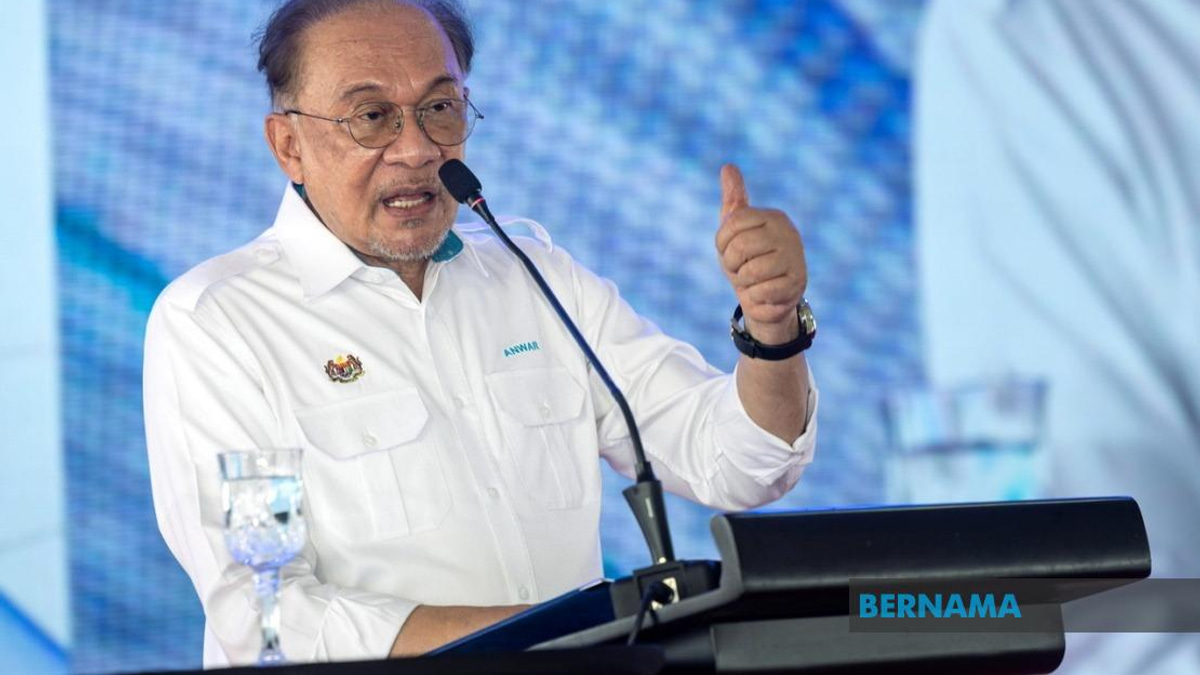
Prime Minister Datuk Seri Anwar Ibrahim will officially open the summit, lending governmental endorsement to the proceedings and signalling the administration's commitment to supporting media professionalism. His attendance carries symbolic weight, indicating that media development remains a priority consideration within the Cabinet's broader governance agenda. The presence of senior political leadership at journalism-focused events demonstrates recognition that healthy media ecosystems contribute to more effective public communication and informed democratic participation.
Organisers anticipate approximately 1,000 media practitioners will ultimately participate in the summit's various sessions and discussions throughout its duration. This substantial attendance projection suggests meaningful interest within the Malaysian and regional journalism community to engage with colleagues on industry-wide concerns and emerging best practices. The scale of participation also provides organisers with opportunities to host diverse programming addressing everything from traditional editorial standards to digital reporting techniques and the business models sustaining contemporary news organisations.
The Ministry of Communications has structured the event through the Malaysian National News Agency (Bernama) as the implementing partner, positioning the state news agency as the coordinating body responsible for practical arrangements and programme development. This institutional approach leverages Bernama's extensive experience organising media industry events and its established relationships with journalists and news organisations throughout Malaysia and the ASEAN region. Through this mechanism, the Ministry ensures professional event management while maintaining consistency with governmental communications priorities.
HAWANA, formally designated as National Journalists' Day, serves a dual purpose within Malaysia's professional calendar. The annual gathering simultaneously celebrates the contributions individual journalists have made to informed public discourse while also functioning as a working conference where the industry collectively addresses shared professional challenges. By combining celebratory recognition with substantive professional development, the event framework acknowledges that journalism requires both individual dedication and systemic institutional support to function effectively.
The summit's broader mission encompasses formal recognition of media practitioners' professional contributions alongside more pragmatic industry discussions. Organisers emphasise HAWANA's commitment to honouring journalists who consistently deliver accurate, rigorously verified information to the public amid pressures and constraints that often challenge editorial independence. This recognition extends beyond individual achievement to encompassing the institutional practices and newsroom cultures that enable reliable reporting to emerge amid digital-era disruptions and commercial pressures reshaping the economics of journalism.
The regional participation dimension carries particular relevance for Malaysian media professionals seeking to understand developments and best practices within neighbouring journalism ecosystems. ASEAN nations face varying regulatory environments, economic conditions, and technological adoption rates that influence how media organisations operate and adapt their business models. Cross-national dialogue creates opportunities for practitioners to learn from peers navigating similar challenges within different contextual frameworks, potentially identifying approaches that might be adapted to Malaysian circumstances.
Digital transformation continues reshaping how journalists work and how news organisations reach audiences, making professional development forums increasingly valuable for practitioners seeking to remain current with technological and methodological innovations. The summit provides dedicated space to discuss practical applications of emerging tools and platforms while maintaining core journalistic principles of accuracy, fairness, and public interest orientation. As artificial intelligence and algorithmic curation increasingly influence news distribution, discussions exploring these technologies' implications for journalism become essential industry conversations.
The gathering also provides opportunity for Bernama and the Ministry of Communications to reinforce government support for professional journalism standards and institutional sustainability. By hosting this substantial annual event and inviting regional participation, Malaysian authorities signal commitment to positioning the country as a hub for Southeast Asian media development and professional excellence. This positioning carries diplomatic implications, as media freedom and professional standards constitute important dimensions of bilateral relationships and regional standing.
Looking forward, the specific programming and outcomes emerging from HAWANA 2026's discussions will likely influence Malaysian media industry priorities throughout the coming year. Recommendations and professional standards discussed during the summit frequently translate into institutional practices adopted by individual news organisations and industry associations. The combination of governmental support, international participation, and focused thematic attention positions this year's gathering as a significant professional event within the regional journalism calendar.

%22%2F%3E%3C%2Fpattern%3E%3C%2Fdefs%3E%3Crect%20width%3D%22100%25%22%20height%3D%22100%25%22%20fill%3D%22url(%23ph49t16g)%22%2F%3E%3Crect%20width%3D%22100%25%22%20height%3D%22100%25%22%20fill%3D%22url(%23ph49t16p)%22%2F%3E%3Ctext%20x%3D%2250%25%22%20y%3D%2250%25%22%20text-anchor%3D%22middle%22%20dominant-baseline%3D%22central%22%20fill%3D%22rgba(255%2C255%2C255%2C0.95)%22%20font-family%3D%22Georgia%2C%20'Times%20New%20Roman'%2C%20serif%22%20font-weight%3D%22700%22%20font-size%3D%22272%22%20letter-spacing%3D%22-0.02em%22%3EAnwar%3C%2Ftext%3E%3C%2Fsvg%3E)