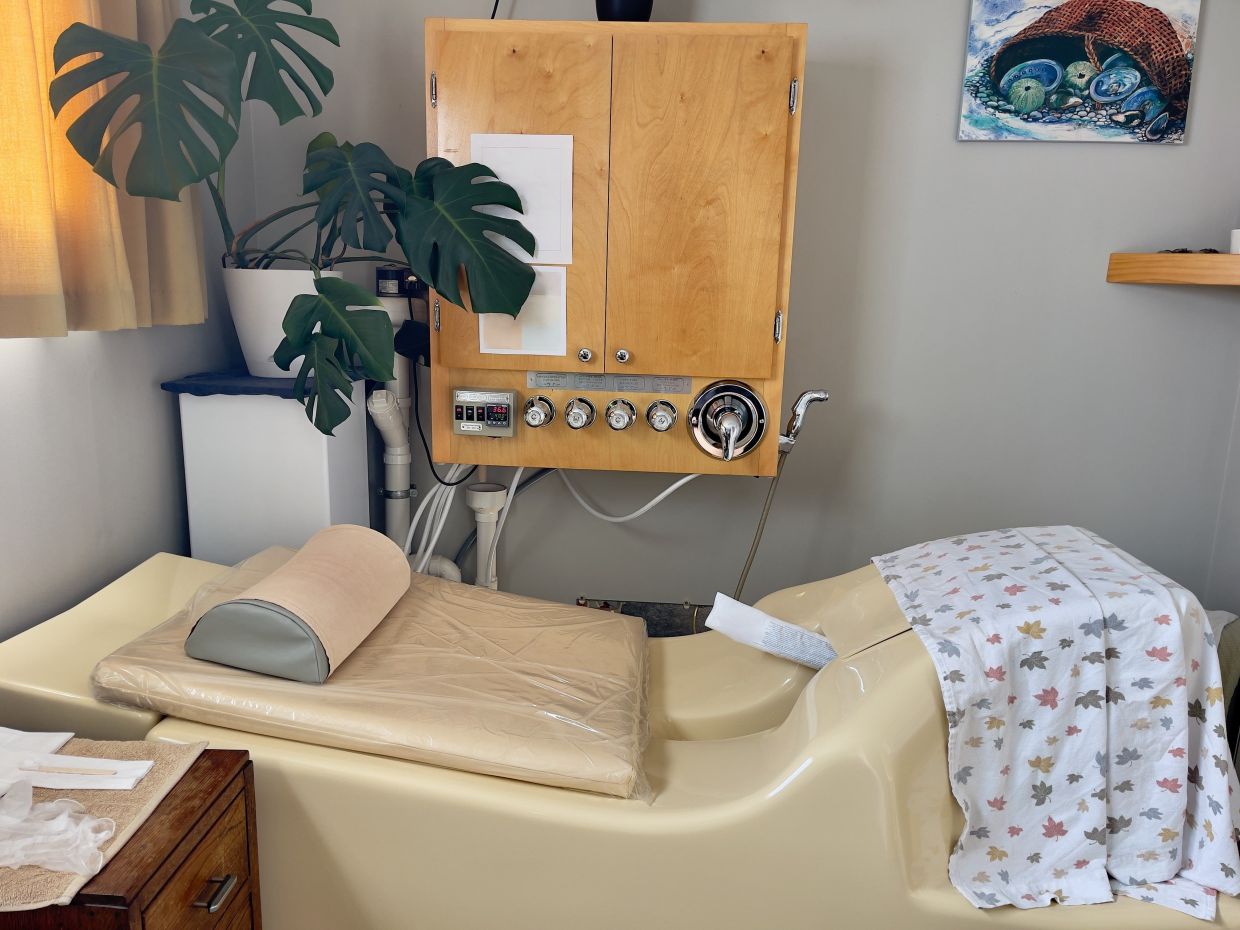
A sophisticated fraud network operating across Beijing has been dismantled after bilking more than 100 seniors out of approximately 10 million yuan (US$1.5 million) through a deceptive health centre scheme involving fraudulent intestinal detoxification treatments. Police have arrested over 30 suspects on fraud charges and uncovered an operation spanning multiple districts that preyed systematically on the city's ageing population, exploiting their isolation and desire for care.
The scheme unravelled when investigators discovered that one victim, a woman surnamed Li in her 60s, had spent an extraordinary 700,000 yuan (US$103,000) on treatments at the centre. Her family's discovery prompted police to investigate further and revealed the true scope of the operation. The mechanics of the fraud were particularly insidious: during intestinal cleansing procedures, staff would add dark soy sauce—a common Chinese cooking ingredient—to the cleansing liquid to create the visual impression that toxins were being flushed from the body. This deceptive practice became the psychological linchpin that convinced vulnerable seniors they suffered from serious internal contamination requiring expensive, ongoing treatment.
The perpetrators demonstrated sophisticated understanding of their target demographic's vulnerabilities. Staff deliberately cultivated emotional bonds with clients, remembering birthdays and displaying attentiveness that often exceeded what seniors received from their own families. The operation specifically targeted affluent elderly individuals living alone or those experiencing emotional neglect despite having children. Recruitment tactics included offering free consultations at senior centres and public gathering places where the elderly congregated, where fake medical experts would diagnose fabricated illnesses requiring prolonged, costly interventions.
Victim Li's experience exemplifies the emotional manipulation underlying the scheme. Her journey began innocuously with a 38-yuan (US$6) foot massage voucher, but staff enthusiasm and apparent concern gradually drew her into increasingly expensive treatments, with individual sessions costing tens of thousands of yuan. When her finances depleted and she attempted to withdraw from treatment, clinic personnel escalated their psychological pressure, urging her to pawn valuable personal assets like her golden bracelet with the rationale that health was more important than material possessions.
The scale of the operation exceeded initial expectations when investigators discovered the health centre network generated turnover exceeding 30 million yuan (US$4.5 million)—an extraordinarily high figure for legitimate health establishments. At least one victim had been defrauded of over two million yuan (US$295,000), suggesting a highly organised operation with clearly defined victim targets and extraction strategies. The network operated through more than 20 fake health centres scattered across multiple Beijing districts, each staffed with trained actors posing as medical professionals.
China's elderly population represents an expanding vulnerability that fraudsters are increasingly exploiting. Current statistics reveal that approximately 323 million Chinese citizens have reached age 60 or beyond, constituting roughly 23 per cent of the national population. Of particular significance to scammers, approximately 60 per cent of this elderly cohort are classified as empty-nesters—individuals without children or whose adult children live separately, creating emotional voids that unscrupulous operators deliberately target.
The rise of such schemes reflects a troubling convergence of demographic trends and regulatory gaps. As China's population ages rapidly, traditional family support structures have fragmented due to urbanisation and geographic mobility. Millions of seniors find themselves isolated in their original hometowns while children work in distant cities, creating profound loneliness that fraudulent health operations exploit systematically. The operators understood that many isolated elderly individuals hunger for human connection and personalised attention, and they weaponised this emotional need to extract substantial financial resources.
For Malaysian readers observing this case, the implications deserve serious consideration. Southeast Asia faces similar demographic transitions as populations age and younger generations migrate to urban centres for employment. Malaysia, with its growing elderly population and increasingly dispersed family structures, already shows vulnerability to similar schemes targeting seniors through healthcare frauds and wellness scams. The Bangkok-based operation of dubious health centres and the regional circulation of similar fraud methodologies suggest that such elaborate cons could readily transfer across ASEAN borders.
The tactics employed in Beijing—free consultations, fake medical credentials, emotionally manipulative staff, and visual deception through sham medical procedures—represent a template that transcends national boundaries. Malaysian authorities would be prudent to strengthen oversight mechanisms for unregulated health centres, particularly those clustering around senior living facilities and community centres frequented by retirees. The case underscores how fraud targeting elderly populations typically involves sustained emotional manipulation rather than sudden pressure, making victims reluctant to acknowledge their vulnerability even after financial losses become substantial.
Industry observers and regulatory advocates emphasise that the current supervision framework for health centres remains inadequate to prevent such large-scale operations. Expert commentary highlights how fraudulent centres openly distribute free promotional gifts to attract seniors, a tactic that often precedes more substantial financial exploitation. The psychological vulnerability of empty-nesters—elderly persons without nearby family oversight who might otherwise question excessive spending—remains largely unaddressed by existing regulatory structures in China and potentially across the region.
The Beijing police investigation demonstrates that dismantling such networks requires sustained effort and cross-district coordination, suggesting that single-jurisdiction enforcement proves insufficient against organised fraud operations. Looking forward, consumer protection advocates and government agencies across Asia must prioritise public education campaigns specifically designed for senior citizens, teaching recognition of common fraud methodologies and encouraging transparent communication between ageing parents and adult children about healthcare spending and facility recommendations. The case also highlights urgent need for stricter licensing requirements, mystery shopper programmes, and unannounced inspections targeting health centres operating in close proximity to elderly populations, especially those making unsubstantiated health claims or offering treatments lacking scientific validation.