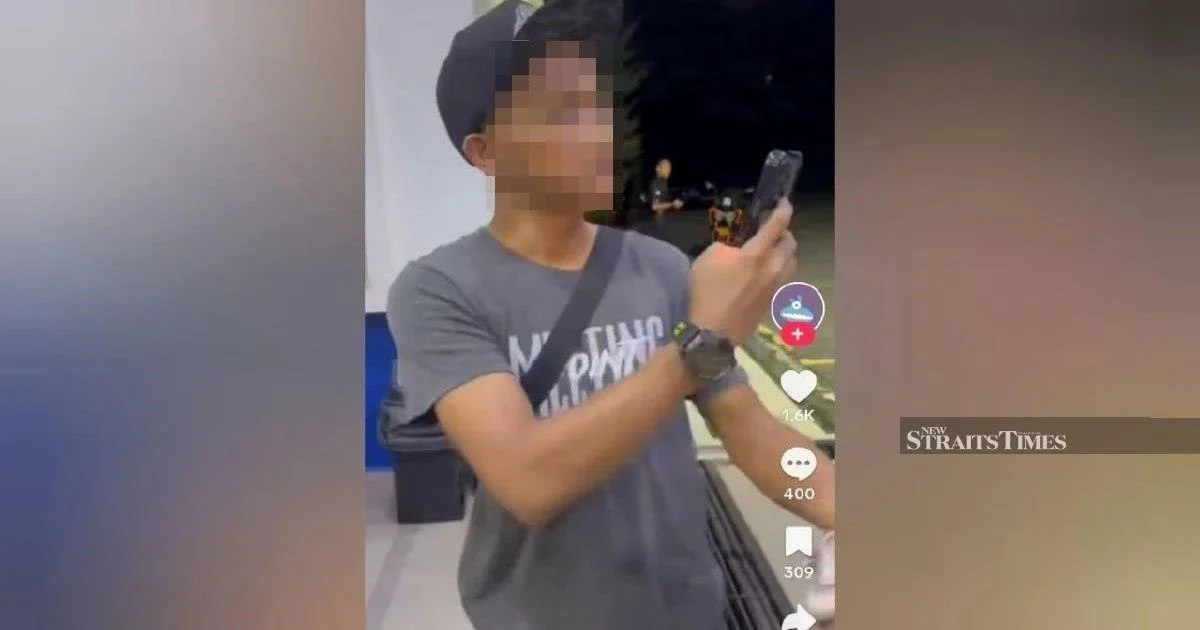
A 37-year-old delivery worker arrested in connection with the theft of RM10,000 from an abandoned wallet at a supermarket in Semenyih will remain in police custody as the investigation intensifies. Kajang police have secured an extension of the man's remand order, keeping him in detention through June 23 as authorities work to establish the full circumstances surrounding the case.
The incident highlights a recurring pattern of opportunistic theft affecting consumers and businesses alike across the Klang Valley region. When individuals lose wallets or cash at retail establishments, the discovery of such items frequently triggers investigations into how they are handled by staff, security personnel, and visitors present at the time. This particular case raises questions about security protocols at commercial premises and the responsibility chain when valuables are found on supermarket premises.
The extended remand period signals that investigators believe they have grounds to continue questioning the suspect and gathering evidence related to the alleged theft. Police typically seek remand extensions when they require additional time to conduct interviews, verify CCTV footage, trace witnesses, or pursue other investigative leads that may establish how the wallet came into the suspect's possession and what motivated him to allegedly retain the cash rather than surrender it to supermarket management or authorities.
Delivery riders have become an increasingly visible presence in Malaysian cities, operating across diverse geographical areas and time schedules. Their occupational mobility, which takes them through multiple locations and establishments throughout their working day, occasionally places them at the center of investigations when items go missing from public spaces. The sector employs thousands of individuals earning modest incomes from commission-based arrangements, making cases involving alleged financial theft particularly significant within these communities.
The supermarket environment presents unique challenges for theft prevention and recovery of lost property. These establishments operate during extended hours, serve hundreds of customers daily, and maintain multiple entry and exit points. Staff members face competing demands managing transactions, restocking shelves, and responding to customer inquiries, which can limit their ability to immediately address reports of lost items. Customers, meanwhile, may discover missing belongings only after leaving the premises, complicating efforts to establish exactly where and when items were lost.
CCTV surveillance has become increasingly important in investigations of this nature, allowing authorities to establish timelines of when items disappeared, which individuals were present in relevant areas, and potentially capture images of the person who discovered or took possession of lost property. The extension of remand through June 23 suggests that police are methodically reviewing such footage and cross-referencing it with witness statements and the suspect's movements on the relevant date.
The value of the missing amount, RM10,000, represents a substantial sum that would significantly impact either an individual consumer or a small business owner. For a delivery rider earning typical gig-economy wages, the allegation of theft carries serious professional and legal consequences that extend beyond the immediate investigation. Conviction could result in criminal records affecting future employment opportunities across multiple sectors and significantly altering the individual's economic prospects.
Malaysian law treats theft cases with varying degrees of severity depending on the value of items involved and circumstances of the alleged crime. The Penal Code provisions covering theft establish different penalties based on whether property exceeds a certain threshold, and courts consider factors such as premeditation, breach of trust, and the suspect's prior criminal history when determining appropriate sentences. First-time offenders facing allegations of moderate-value theft may receive probation or reduced sentences, though custodial terms remain common for substantiated cases.
The Semenyih area, located within the Kajang district of Selangor, has experienced various crime trends over recent years reflecting broader challenges affecting suburban and satellite townships in the Klang Valley. Retail theft, in-store burglary, and related commercial crimes constitute persistent law enforcement concerns in shopping districts, prompting increased coordination between supermarket security teams and police investigation units. This case reflects routine investigative practices designed to resolve such incidents promptly and establish accountability.
The remand extension process, whereby suspects remain in custody while investigations continue, operates within established Malaysian legal frameworks designed to balance investigative necessity with individual rights. Courts review remand applications regularly, and extensions require justification demonstrating that continued detention remains essential for investigation progress. This procedural oversight aims to prevent arbitrary or indefinite custody while permitting legitimate investigative periods.
Resolution of this case will depend on evidence quality, witness testimony reliability, and the suspect's own account of events. Police will likely attempt to establish the suspect's presence at the supermarket during relevant timeframes, clarify how he came into possession of the wallet, and determine whether he took deliberate action to conceal the cash from legitimate claimants. Digital evidence, including payment transactions if the cash was subsequently spent, communications records, or location data could prove pivotal in establishing the facts.
%22%2F%3E%3C%2Fpattern%3E%3C%2Fdefs%3E%3Crect%20width%3D%22100%25%22%20height%3D%22100%25%22%20fill%3D%22url(%23ph1d5l8g)%22%2F%3E%3Crect%20width%3D%22100%25%22%20height%3D%22100%25%22%20fill%3D%22url(%23ph1d5l8p)%22%2F%3E%3Ctext%20x%3D%2250%25%22%20y%3D%2250%25%22%20text-anchor%3D%22middle%22%20dominant-baseline%3D%22central%22%20fill%3D%22rgba(255%2C255%2C255%2C0.95)%22%20font-family%3D%22Georgia%2C%20'Times%20New%20Roman'%2C%20serif%22%20font-weight%3D%22700%22%20font-size%3D%22151%22%20letter-spacing%3D%22-0.02em%22%3EPerikatan%3C%2Ftext%3E%3C%2Fsvg%3E)