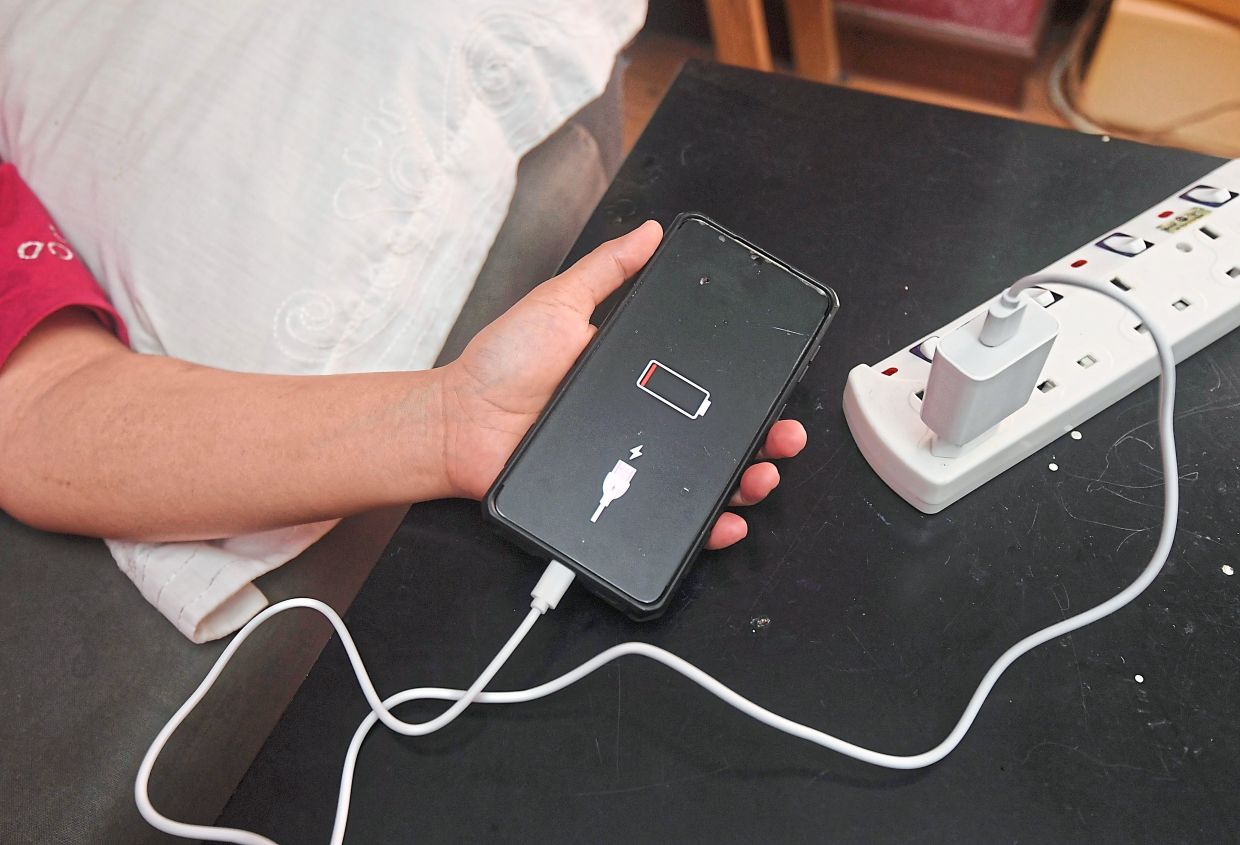
Malaysia's fire department has sounded a fresh warning about the hidden dangers lurking in everyday charging practices, revealing that unsafe device charging has triggered 59 domestic fires across the nation over the past three years, destroying property worth RM14.2 million. The alarming trend underscores a persistent gap between consumer awareness and actual behaviour when it comes to electrical safety in Malaysian homes.
The geographical distribution of these incidents tells a striking story. Sarawak emerged as the most severely affected state, reporting 11 cases that destroyed property valued at RM9,707,956—a figure that represents nearly 68 per cent of the national total. This disproportionate concentration suggests that either unsafe charging practices are more prevalent in the state, or that fires in Sarawak tend to cause more extensive damage, possibly reflecting housing typologies or the availability of fire response services. Kelantan followed with 17 incidents resulting in RM1,147,400 in losses, while Sabah recorded three cases with RM806,800 in damage. The remaining incidents were scattered across Selangor, Penang, Johor, Putrajaya, Melaka, Terengganu and Perak, with losses ranging from RM95,750 to RM661,040 per state. Notably, six states and federal territories—Kedah, Negri Sembilan, Pahang, Perlis, Kuala Lumpur and Labuan—reported no such incidents, and importantly, the entire three-year period saw no fatalities attributed to these fires.
The fire department's investigation framework reveals the nuanced complexity of fire origin determination. Authorities emphasise that assessing risk cannot be reduced to simple metrics like monetary loss or fire size. Rather, each incident demands careful forensic examination considering multiple variables: the precise location where the fire began, the specific electronic device involved, the condition of physical evidence after burning, hazards present at the scene during investigation, and the technical data requiring expert analysis. This methodical approach is essential because the most challenging cases from an investigative standpoint are not always those causing the largest economic losses, but rather those demanding extensive technical analysis and sophisticated interpretation of damaged or destroyed evidence.
Investigations have identified a consistent pattern of unsafe charging behaviours that substantially elevate fire risk. Charging devices overnight without active supervision ranks among the most prevalent unsafe practices, as does the use of chargers and cables that lack official certification or safety approvals. Many Malaysians place their devices on soft furnishings—mattresses, pillows, sofas and blankets—while charging, a practice that traps heat and creates ideal conditions for combustion. The consequences compound when multiple unsafe practices intersect, such as when someone simultaneously overloads power strips, uses damaged devices displaying obvious warning signs like swollen batteries or overheating, and employs inferior electrical accessories.
The underlying driver of these dangerous behaviours often traces back to consumer economics and priorities. The fire department has identified a troubling pattern whereby users consistently opt for cheaper charging equipment without regard for whether the products meet established safety standards. This cost-cutting mentality pervades the purchasing decisions of Malaysian consumers, from household users buying budget chargers at night markets to small business operators equipping their establishments with inexpensive electrical accessories. When devices fail to meet minimum safety requirements, the risk profile escalates sharply—substandard chargers are more prone to overheating, short circuits, and ultimately, fires that spread rapidly through homes.
Public awareness campaigns have clearly not yet penetrated deeply enough into consumer consciousness. Surveys and incident data suggest that knowledge about device charging safety remains surprisingly limited across many demographic groups. The fire department has concluded that education efforts need substantial expansion, particularly messaging that counteracts the economic appeal of cheaper, uncertified alternatives. Users require clearer information about why SIRIM-certified equipment and accessories bearing valid safety approvals represent a worthwhile investment compared to their uncertified counterparts.
The fire department's recommendations establish straightforward guidelines that Malaysian households should implement immediately. Charging devices should never occur on soft, heat-retaining surfaces; damaged sockets, cables and adapters warrant immediate replacement rather than continued use; power strips should never be overloaded; and devices displaying warning signs—discolouration, overheating sensations, burning smells, or physical damage—should be set aside and not charged. Perhaps most critically, the practice of unattended overnight charging should be abandoned entirely, reserving charging to periods when occupants are present and alert to potential problems.
The path forward requires coordinated action across multiple institutions. The fire department has committed to intensifying fire safety education through schools, community centres and public forums. Preventive outreach campaigns should specifically target the economics of safety, demonstrating that SIRIM-certified equipment costs marginally more but eliminates the risk of catastrophic property loss and potential injury. Strategic partnerships with consumer protection agencies, electronics retailers, and industry bodies can help ensure that safety messaging reaches decision-makers at the point of purchase. Educational efforts must also debunk the false economy that drives consumers toward uncertified alternatives, emphasising that a RM50 certified charger represents vastly better value than a RM10 uncertified one that could trigger a RM500,000 house fire.
For Malaysian readers and policymakers, the data carries a sobering message: nearly 60 preventable fires in three years, concentrated losses in certain regions, and a clear pattern of unsafe behaviours all point to an urgent need for systemic change. As Malaysian homes accumulate more electronic devices and as the country continues rapid urbanisation, the volume of devices being charged daily will only increase. Without corresponding improvements in consumer awareness and behaviour change, the financial and safety toll will likely climb. The fire department's detailed investigation work provides the evidence base; what remains is for consumers, retailers, regulators and educators to act on these findings with the urgency they deserve.