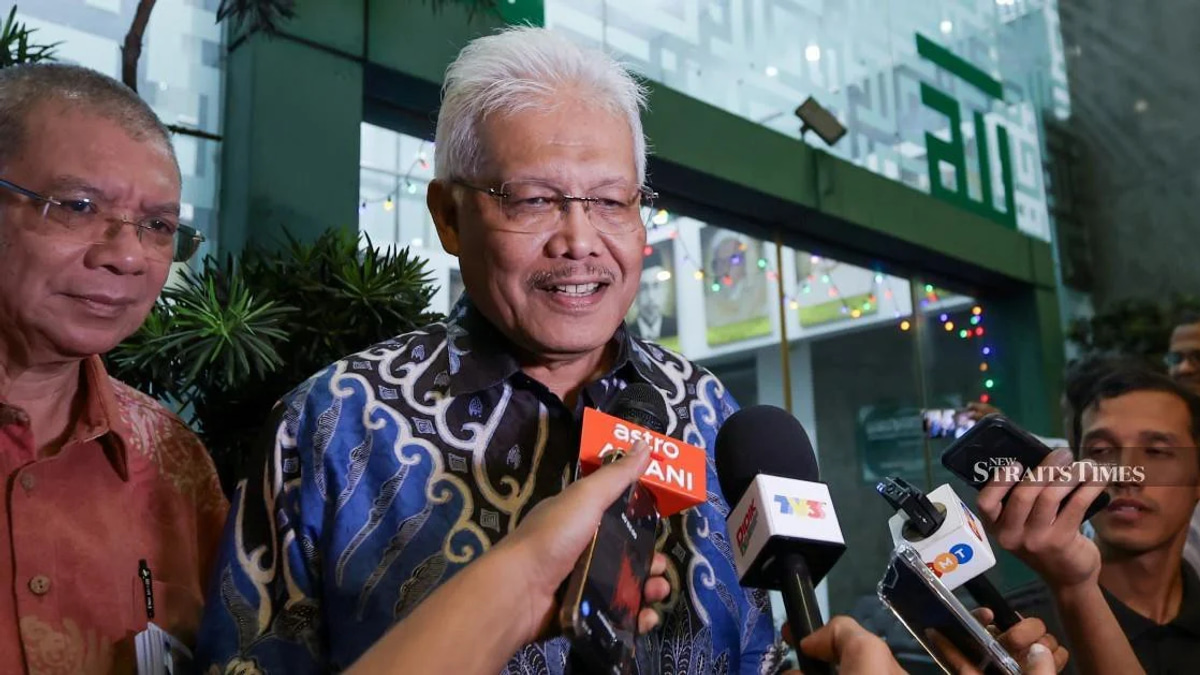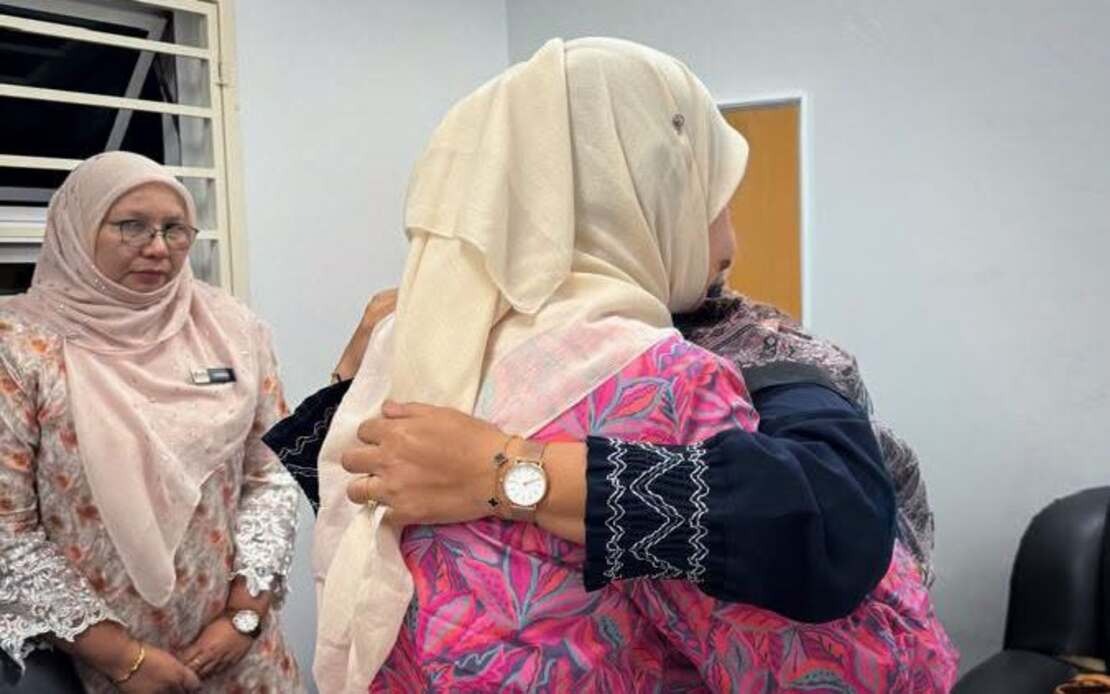
Education Minister Fadhlina Sidek has called upon the public to extend compassion and respect to the grieving family of a teenager whose life ended unexpectedly at a school in Negeri Sembilan on the morning of June 19. The 16-year-old girl's death has prompted immediate action from the ministry, which is coordinating closely with law enforcement authorities to establish the circumstances that led to this tragedy.
The minister emphasised that the ongoing police investigation is being treated with the utmost seriousness, and her department remains fully committed to assisting investigators in every way possible. She underscored the importance of allowing both the family and school community to process their grief without unwanted intrusion, particularly as evidence is being gathered and facts established. The incident has sent shockwaves through the education sector and raises wider questions about student welfare and safety within Malaysian schools.
In her statement released through social media, Fadhlina extended her condolences to the deceased student's family, invoking blessings upon her soul and prayers for the family's resilience during this extraordinarily difficult period. The language she employed reflected the gravity with which the ministry views such losses, acknowledging the profound impact that a student's death has on those left behind. Her message also served to remind the public of the universal values of compassion that should guide responses to family tragedies.
Demonstrating the government's commitment to hands-on engagement with affected families, Fadhlina and Education Director-General Datuk Dr Mohd Azam Ahmad made a visit to the student's family at Rembau Hospital to offer direct support and assistance. This high-level intervention signals that the ministry recognises the severity of the situation and is taking personal responsibility for ensuring the family receives comprehensive care during this crisis. Such gestures, while important symbolically, also provide opportunities for officials to gather firsthand information about the family's immediate needs.
The incident highlights an ongoing concern in Malaysian education circles regarding student safety and the various risk factors that can affect young people within school environments. Schools across the country serve as settings where teenagers spend a significant portion of their formative years, making institutional responsibility for their wellbeing a paramount issue. While specific details about the circumstances of this particular student's death remain under investigation, the event inevitably prompts broader reflection on how schools can better protect vulnerable youth.
The ministry's messaging has carefully balanced the need for transparency with respect for privacy, a delicate equilibrium that recognises society's legitimate interest in understanding what happened while protecting the family from inappropriate scrutiny. Fadhlina's emphasis on providing "the best possible assistance" to those affected suggests a multi-faceted response that likely includes counselling services for the school community, support mechanisms for peers and teachers, and ongoing investigation coordination with authorities.
For Malaysian families with children in schools, such incidents inevitably raise concerns about safety protocols and whether institutions have adequate measures to identify and support students in distress. The Education Ministry's quick response and visible engagement with this case may serve to either reassure or heighten anxiety depending on how comprehensively the underlying issues are addressed and communicated to the public once investigations conclude.
The school where this tragedy occurred will face a challenging period of recovery, as both staff and students grapple with the loss of a member of their community. The ministry's role extends beyond investigation support to include providing counselling services and helping the institution process collective grief while maintaining educational continuity. Schools often become secondary trauma sites when tragic events occur, requiring thoughtful pastoral care and psychological support for those indirectly affected.
As the police investigation proceeds, the Education Ministry's continued cooperation with law enforcement will be essential to establishing facts and potentially identifying any systemic issues that need addressing. The outcome of this investigation may inform policy discussions around student mental health support, crisis intervention protocols, and the broader question of how schools can better recognise and respond to signs of distress among their charges. Until findings are released, the call for public restraint remains appropriate, allowing investigators space to work and the family opportunity to grieve away from the glare of speculation.
%22%2F%3E%3C%2Fpattern%3E%3C%2Fdefs%3E%3Crect%20width%3D%22100%25%22%20height%3D%22100%25%22%20fill%3D%22url(%23ph3sm85g)%22%2F%3E%3Crect%20width%3D%22100%25%22%20height%3D%22100%25%22%20fill%3D%22url(%23ph3sm85p)%22%2F%3E%3Ctext%20x%3D%2250%25%22%20y%3D%2250%25%22%20text-anchor%3D%22middle%22%20dominant-baseline%3D%22central%22%20fill%3D%22rgba(255%2C255%2C255%2C0.95)%22%20font-family%3D%22Georgia%2C%20'Times%20New%20Roman'%2C%20serif%22%20font-weight%3D%22700%22%20font-size%3D%22226%22%20letter-spacing%3D%22-0.02em%22%3ERussia%3C%2Ftext%3E%3C%2Fsvg%3E)