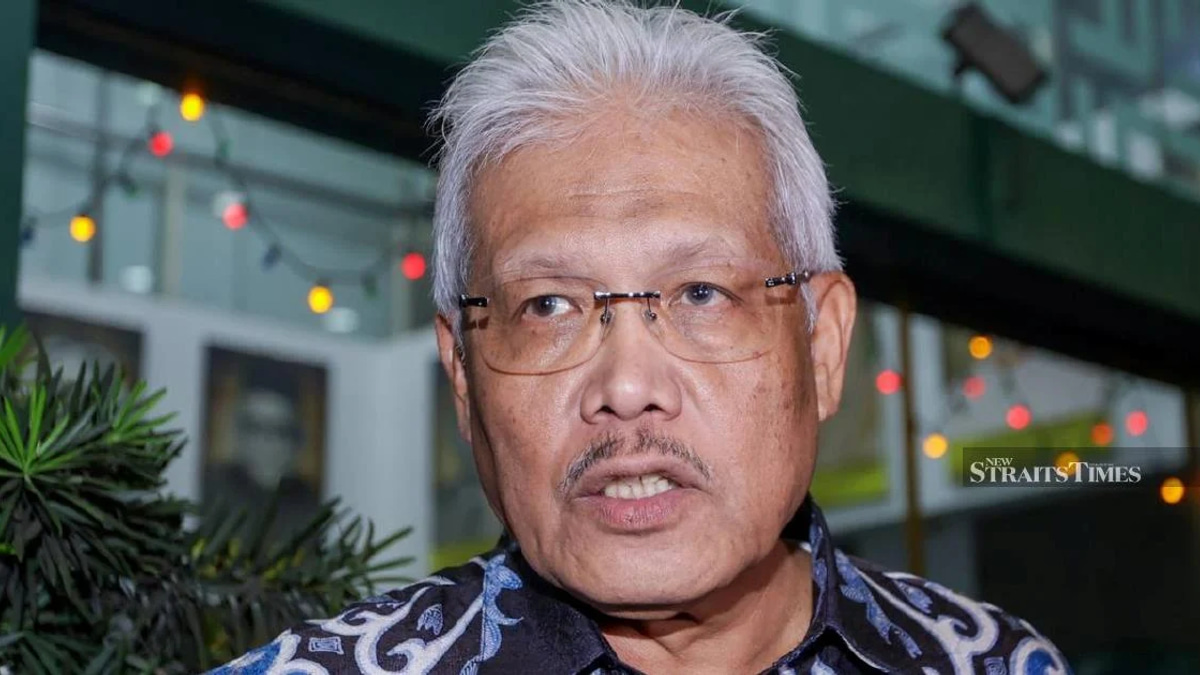
Communications Minister Datuk Fahmi Fadzil has made a forceful appeal for media organisations across Southeast Asia to deepen their working relationships and coordinate efforts in countering the rising tide of misinformation threatening the region. Speaking at a state government dinner in Butterworth honouring journalists on June 19, Fahmi emphasised that robust partnerships and knowledge-sharing among ASEAN media outlets are essential foundations for regional peace, stability and economic development.
The minister articulated a vision of journalism as the vital connective tissue holding modern societies together. In his remarks, Fahmi characterised media as both a messenger of factual information and a critical intermediary between those who formulate policy and those tasked with implementing it, between events unfolding on the ground and public comprehension of those events. This intermediary role has become increasingly fraught in an era when information circulates at unprecedented velocity and competing narratives constantly jostle for public attention and credibility.
Fahmi stressed that in such an environment, journalism anchored in verifiable facts, professional integrity and ethical responsibility represents an indispensable public good. The challenge facing the regional media community is substantial: newsrooms must navigate not only accelerating technological change and shifting audience consumption patterns, but also deliberate campaigns of disinformation designed to manipulate public opinion and undermine social cohesion. A fragmented, uncoordinated media response to these threats leaves individual organisations and entire nations vulnerable to manipulation.
The Communications Minister's intervention comes as ASEAN grapples with complex questions about information governance in the digital age. The region encompasses diverse media ecosystems with varying levels of development, regulatory frameworks and institutional capacity. Some Southeast Asian countries maintain robust independent press traditions with well-resourced newsrooms capable of investigating complex stories. Others face constraints including limited resources, pressure from political actors and technological capacity gaps. Cross-border collaboration creates opportunities for knowledge transfer, allowing media organisations in developing contexts to learn from peers with greater experience in digital verification, source protection and investigative methodology.
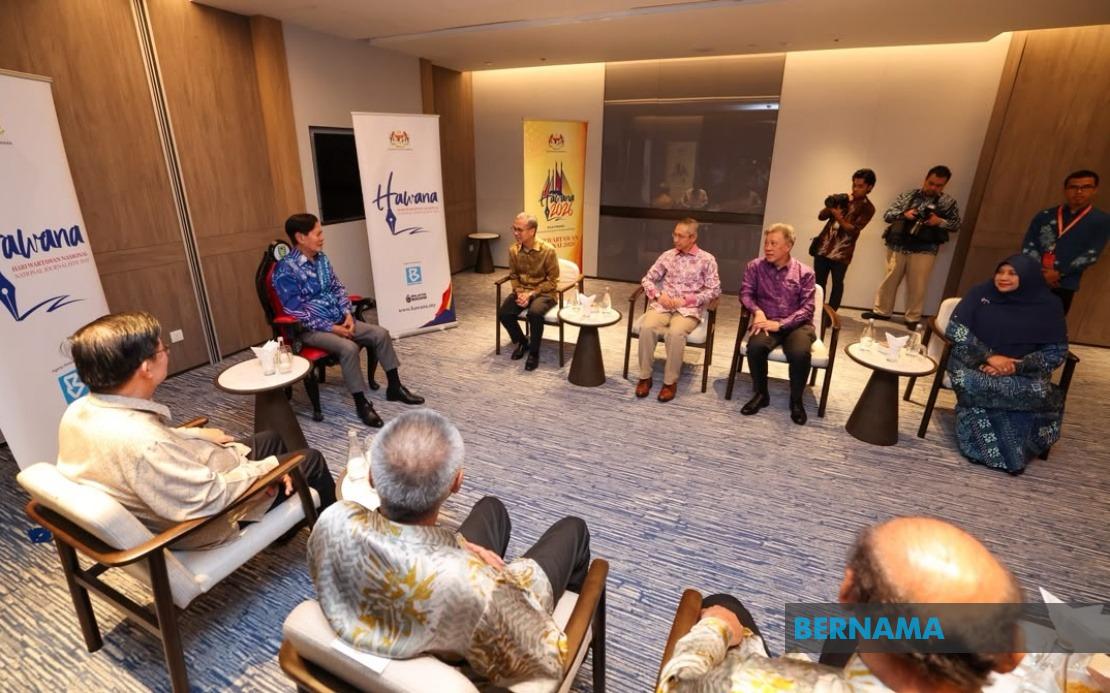
The occasion for Fahmi's remarks was the National Journalists' Day (HAWANA) 2026 celebration, being hosted by Penang in recognition of the profession's contributions to national development. The gathering brought together senior government officials, media executives and representatives from ASEAN Communications Ministers' offices, reflecting the significance attached to media-government dialogue on this issue. Penang Chief Minister Chow Kon Yeow and Penang Governor Tun Ramli Ngah Talib were among those attending, signalling state-level commitment to supporting the journalism profession during a period of considerable transition.
Fahmi acknowledged Penang's role in hosting the HAWANA 2026 event and the state government's broader willingness to champion journalism at a time when the profession faces genuine pressures. The minister interpreted the state's commitment as evidence of recognition that media practitioners play a consequential role in democratic societies and contribute materially to national progress. This framing is significant because it positions journalism not as an adversarial institution but as a collaborative partner in national development, a messaging approach that may help rebuild trust between media and government in contexts where that relationship has become strained.
The HAWANA 2026 celebration itself serves multiple functions beyond ceremonial recognition. It provides a platform for the journalism profession to reaffirm collective commitment to upholding standards and ethical practices during a period when economic pressures on newsrooms are acute and audience trust in media institutions has declined in many countries. By convening journalists at state level and securing participation from communications ministers across the region, Malaysia signals that defending professional journalism standards is a priority worthy of government engagement and public investment.
Malaysian National News Agency (Bernama), represented at the event by chairman Datuk Seri Wong Chun Wai and chief executive officer Datin Paduka Nur-ul Afida Kamaludin, occupies a particular position within this ecosystem as both a national news provider and a bridge to regional peers. Bernama's potential role in facilitating ASEAN media collaboration reflects the strategic importance of state news agencies in coordinating responses to shared information security challenges. The agency's presence at the HAWANA 2026 working committee indicates that institutional structures for implementing Fahmi's collaboration vision may already be emerging.
For Malaysian readers and policymakers, Fahmi's intervention carries implications across several dimensions. First, it acknowledges that misinformation increasingly operates as a transnational phenomenon; false narratives originating in one ASEAN country rapidly diffuse across borders, affecting public understanding and political stability throughout the region. Combating this challenge requires coordinated responses transcending national boundaries. Second, the minister's emphasis on strengthening journalism itself, rather than simply regulating social media platforms, reflects a belief that professional newsrooms remain the most reliable antidote to deliberate falsehoods and distortion.
Third, the appeal for closer ASEAN media collaboration creates opportunities for Malaysian news organisations to play leadership roles in setting regional standards for digital verification, fact-checking and source protection. Malaysian media outlets, particularly those with established investigative traditions and digital capabilities, could serve as mentors and knowledge sources for peers operating in more constrained environments. This positions Malaysian journalism not merely as a domestic institution but as a regional public good, with implications for Malaysia's soft power influence throughout Southeast Asia.
The emphasis on integrity and responsibility also addresses a vulnerability that malicious actors routinely exploit: when professional media institutions lose public confidence, audiences become susceptible to unreliable alternative sources of information. By investing in professional standards and cross-regional collaboration, ASEAN media can work to rebuild the social trust upon which journalism depends. Fahmi's framing suggests that the Communications Ministry views this trust-rebuilding exercise as integral to broader regional stability objectives, elevating the journalism question from a media industry concern to a matter of national and regional security.
Looking forward, the challenge will be translating Fahmi's rhetorical commitment into concrete collaborative mechanisms that respect editorial independence while enabling practical information-sharing and best-practice exchange. ASEAN's consensus-based decision-making tradition and respect for national sovereignty create both opportunities and constraints for regional media collaboration. The most durable arrangements will likely involve voluntary cooperation among professional organisations, supported by government facilitation but not government direction.