Authorities in Rajasthan have launched a homicide inquiry following the discovery of two sisters whose deaths bear the hallmarks of an honour killing, with family members now under investigation for their alleged involvement in the fatal incident. The women are believed to have been pushed into a river near Sagarpada Bridge in Dholpur district on June 11, according to police statements released on Friday. Officers have identified the father and several relatives as suspected perpetrators, marking another tragic case in India's ongoing struggle with crimes motivated by family disapproval of personal relationships.
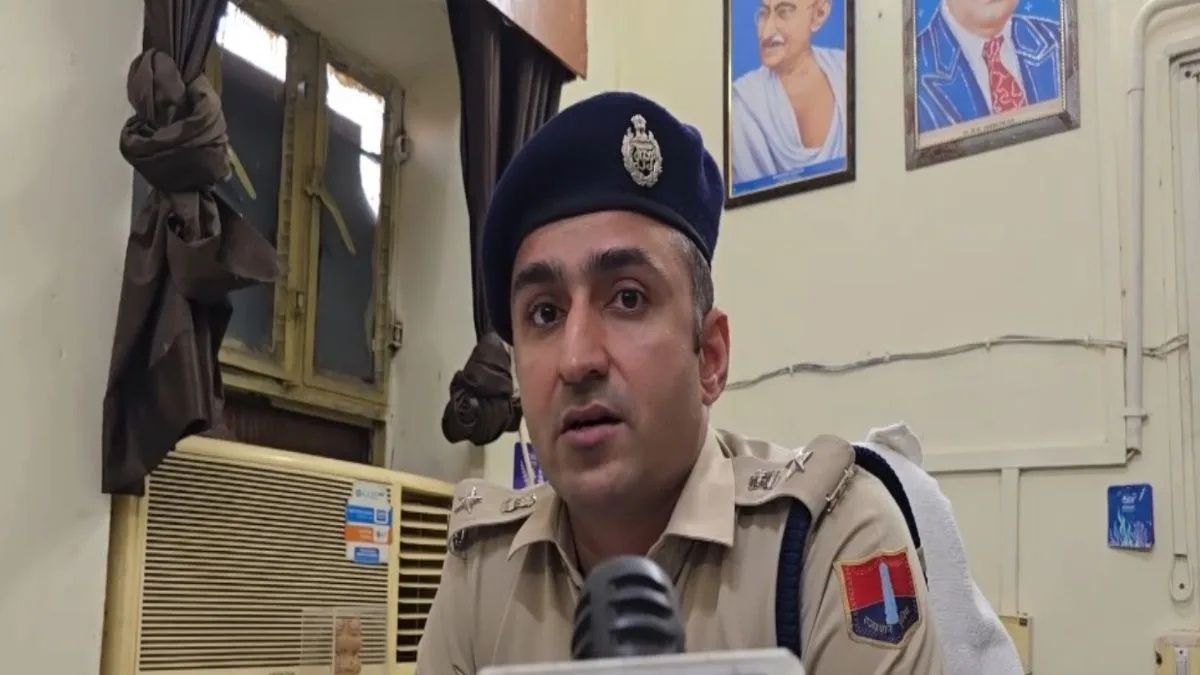
Superintendent of Police Vikas Sangwan confirmed that Bharat Lodha, a resident of Pharakpur village and father of four, stands at the centre of the investigation after allegations emerged that he orchestrated the deaths of two of his daughters. Police received information triggering the inquiry and subsequently dispatched teams to examine the crime scene near the bridge where the alleged incident unfolded. The timing of the incident has been provisionally placed between 9pm and 10pm on the evening in question, though investigators continue verifying this crucial detail as part of their broader reconstruction efforts.
The preliminary theory driving the investigation hinges on a fundamental conflict within the family regarding the victims' romantic choices. According to police accounts, the young women had entered into relationships that their family members deemed unacceptable, creating tension that allegedly escalated to violence. This motive represents a depressingly common thread running through honour-based crimes across North India, where family authority over personal decisions remains deeply entrenched in certain communities despite legal prohibitions against such killings. The case underscores how romantic autonomy continues to pose a lethal risk for young women in parts of rural India where traditional family hierarchies clash violently with individual choice.
Investigators are currently focused on reconstructing the sequence of events leading to the alleged river incident, examining multiple operational aspects that remain unverified. Police are seeking to establish how the victims were transported to Sagarpada Bridge, who accompanied them during that journey, and what vehicle or transport method was employed. These investigative details matter considerably for establishing premeditation and determining which family members bore direct responsibility for the deaths. The deliberate nature of such logistics often distinguishes spontaneous family violence from calculated honour killings, a distinction that carries serious legal implications.
The police teams have maintained an active presence at the scene, gathering physical evidence while simultaneously questioning individuals connected to the case. Sangwan acknowledged that many aspects of the investigation remain preliminary and subject to further verification, emphasizing that authorities are proceeding methodically to build a comprehensive understanding of what transpired. This cautious approach reflects the complexity inherent in honour killing investigations, where family loyalty often complicates witness cooperation and evidence collection. The involvement of multiple family members as suspected conspirators adds another layer of difficulty, as investigators must untangle complicity and establish individual roles.
Cases of this nature carry profound implications for understanding crime patterns across northern Indian states where honour-based violence remains a persistent social problem. Unlike conventional homicides motivated by dispute resolution or financial gain, honour killings reflect deeply embedded cultural attitudes about family control, particularly regarding female autonomy and romantic choice. The judicial system has increasingly recognized honour killing as a specific category of aggravated murder, yet communities where such violence occurs often shield perpetrators through collective silence and coordinated narratives designed to protect family reputation. The Rajasthan case demonstrates how such crimes continue operating despite enhanced awareness and legal measures.
For Malaysian audiences observing similar dynamics within immigrant Indian communities or examining comparative regional crime patterns, the Rajasthan incident offers sobering perspective on how patriarchal family structures can weaponize notions of honour to justify lethal violence. While honour killing remains less prevalent in Malaysia's more regulated urban environment, incidents involving controlling family dynamics, forced marriage prevention, and relationship-based violence occasionally surface across the country's diverse populations. Understanding the socioeconomic and cultural contexts driving such crimes in neighbouring regions helps Malaysian authorities better identify risk factors and provide appropriate interventions for vulnerable individuals.
The investigation's progression will likely hinge on witness testimonies from villagers and extended family members who may have observed preparations for the alleged crime or noticed the victims' disappearance. Police will need to establish timeline evidence through mobile phone records, vehicle tracking data, and potentially CCTV footage if available from surrounding areas. The challenge lies in overcoming the protective tendency of families to present unified fronts when investigating members face external scrutiny, a phenomenon particularly pronounced in rural communities where clan solidarity often supersedes individual accountability.
Authorities indicated that criminal charges will follow once the investigation concludes and sufficient evidence has been compiled against identified suspects. The potential charges could include murder under various provisions of the Indian Penal Code, conspiracy, and potentially specific provisions addressing honour-based killings that several Indian states have incorporated into their legal frameworks. Such charges carry severe penalties including life imprisonment or capital punishment, depending on judicial findings regarding premeditation and the number of perpetrators involved. The legal outcome of this case will influence how similar investigations are pursued across the region and may set precedents affecting how honour killing cases are prosecuted going forward.