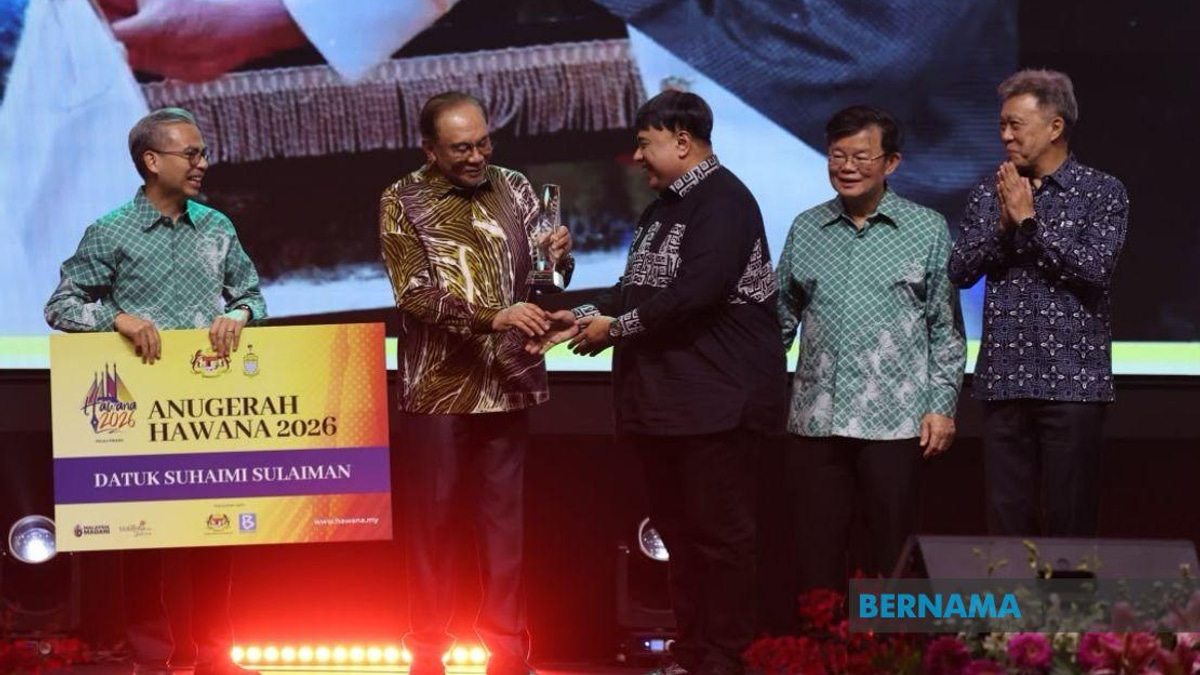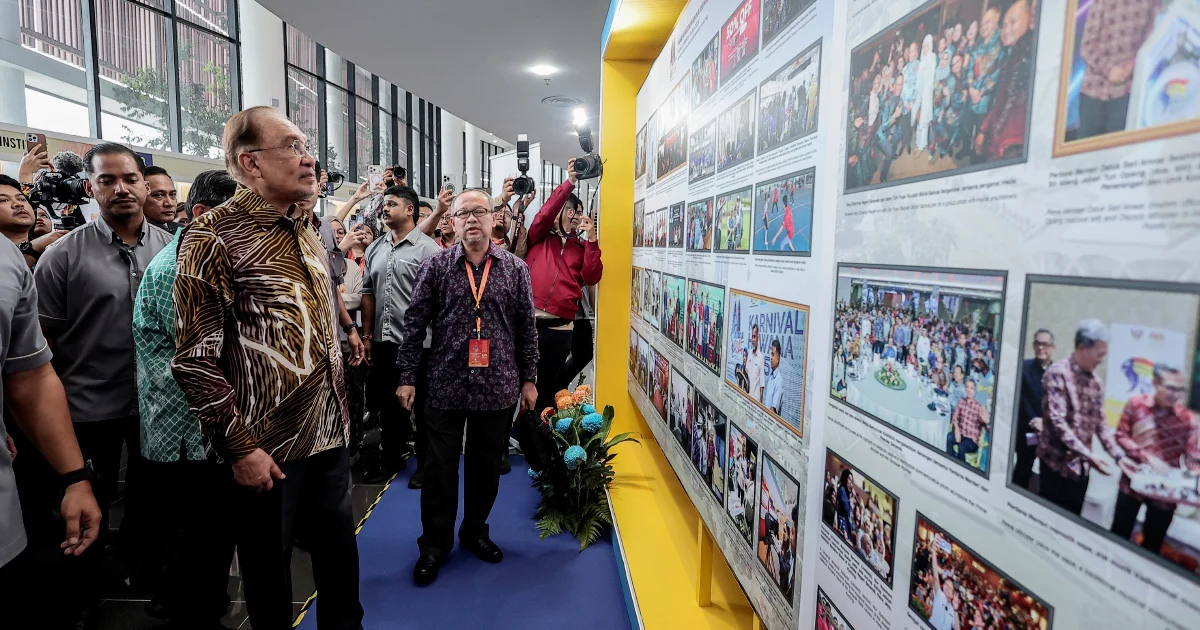
Prime Minister Datuk Seri Anwar Ibrahim has announced a RM1 million government allocation for Tabung Kasih@Hawana 2026, underscoring the administration's commitment to bolstering the welfare of Malaysian journalists and advancing the broader transformation of the media industry. The announcement, made at Permatang Pauh, signals a substantive policy initiative aimed at addressing structural challenges within the journalism profession and ensuring adequate support systems for practitioners navigating an increasingly complex media landscape.
The allocation to Tabung Kasih@Hawana 2026 represents a direct intervention in journalist welfare—a critical concern for a profession contending with declining revenue streams, precarious employment arrangements, and the pressures of digital disruption. The fund structure demonstrates recognition that sustainable media ecosystems depend partly on the financial security and professional development of journalists themselves. By channelling public resources into welfare mechanisms, the government positions itself as an active participant in stabilising the news industry rather than merely observing its evolution from the sidelines.
Tabung Kasih@Hawana 2026 exists within the broader context of Hawana, Malaysia's national media summit series, which convenes industry stakeholders to discuss policy directions, technological adoption, and structural reform. This year's edition provides a platform for dialogue between government officials, media proprietors, journalists, and civil society actors concerning the future trajectory of news production and dissemination in the country. The timing of the RM1 million pledge during the conference reinforces the government's intention to participate actively in these conversations and translate commitments into concrete financial support.
Journalists in Malaysia have faced mounting economic pressures in recent years, as traditional advertising revenue models have contracted amid the digital shift. Many newsrooms have implemented redundancies, reduced editorial capacity, or transitioned to digital-first operations with smaller staffing structures. These transformations, while sometimes necessary for business sustainability, have placed considerable strain on individual practitioners and their families. A welfare fund addresses these gaps by providing safety nets for journalists facing hardship, whether through unexpected job loss, health crises, or other economic shocks that accompany industry restructuring.
The government's framing of this initiative as part of media industry transformation reflects a more sophisticated approach than simple charity. By linking journalist welfare to broader modernisation goals, policymakers suggest that supporting the profession directly contributes to creating the skilled, stable workforce required for Malaysia's media sector to compete regionally and globally. A profession characterised by financial insecurity and burnout cannot deliver the investigative depth, editorial quality, and innovative journalism that constitute the foundation of a healthy information ecosystem.
Context matters here for Southeast Asian and global observers. Malaysia's media sector has long occupied a contested space between commercial imperatives and regulatory frameworks. Supporting journalist welfare through government funds introduces complex considerations around editorial independence and the perception thereof. Nonetheless, many developed democracies maintain similar mechanisms—professional development funds, pension schemes, and welfare programmes—without compromising journalistic autonomy. The critical factor lies in how such schemes are structured, managed, and governed to ensure they enhance rather than constrain editorial freedom.
The announcement also reflects economic realities specific to Malaysia's media market. Unlike some larger regional economies with more diversified revenue bases, Malaysian media outlets have struggled particularly acutely to adapt business models to digital consumption patterns. Smaller publications and regional news operations especially face resource constraints that limit their capacity to invest in journalist training, equipment, or workplace protections. A government-backed welfare fund can help level the playing field by ensuring that financial barriers do not prevent capable journalists in smaller markets or outlets from accessing support and development opportunities.
Anwar's commitment to continuing government support for media transformation initiatives extends beyond this single allocation. The phrase signals an ongoing engagement with the sector rather than a one-off gesture, suggesting that Hawana 2026 represents a checkpoint in a longer strategic conversation about Malaysia's media future. This sustained approach contrasts with episodic interventions and implies that policymakers view media health as a persistent priority requiring regular attention and resource allocation.
Regional peers and international media organisations monitor Malaysia's approach to supporting journalism with considerable interest. The RM1 million allocation, while significant for a welfare fund, sits within Malaysia's broader context of media policy and state-media relations. Countries across Southeast Asia face similar challenges of declining journalism revenues and professional sector fragmentation. Malaysia's decision to deploy government resources toward journalist welfare could influence regional approaches and provide a model for discussion in multilateral media forums.
The welfare fund mechanism also opens avenues for impact measurement and evaluation. As the Tabung Kasih@Hawana 2026 begins operations, tracking how effectively the RM1 million reaches journalists in need, which sectors benefit most, and what outcomes materialise will provide valuable data for policymakers considering future allocations. Transparency in fund administration and regular public reporting on grants distributed and beneficiaries supported could strengthen public confidence in the initiative and demonstrate genuine commitment to journalist welfare beyond rhetorical gestures.
For the broader Malaysian media landscape, this announcement constitutes recognition that the profession's sustainability requires active policy support. The journalism industry cannot rely on market forces alone to maintain the infrastructure, training systems, and safety nets necessary for a functioning information ecosystem. Anwar's pledge suggests a government willing to accept this reality and invest accordingly, positioning journalist welfare as a legitimate public concern deserving of fiscal attention. Whether this initial commitment evolves into comprehensive, sustained, and appropriately funded media policy frameworks remains to be seen as Hawana 2026 unfolds and subsequent policy implementation proceeds.