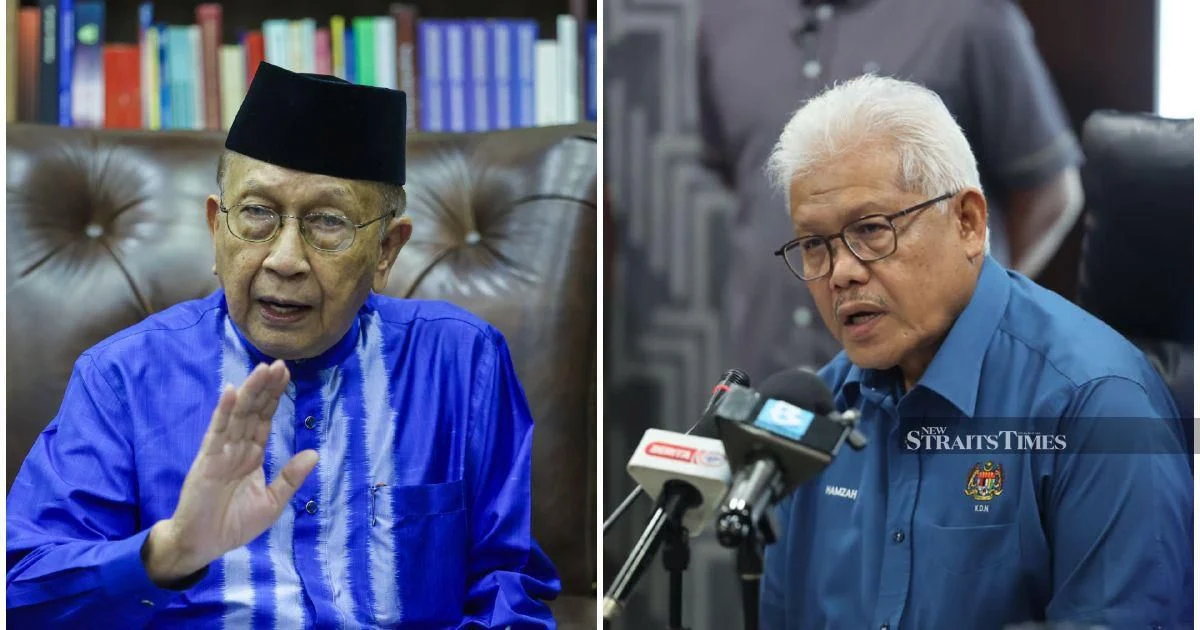
Parti Wawasan Negara has formally unveiled its complete central leadership hierarchy, marking a significant moment in the political party's institutional development. The newly constituted central committee draws upon the substantial experience of Hamzah Zainudin and Rais Yatim, who will occupy the most senior positions within the organisational structure. This appointment reflects the party's strategy to position itself as a serious political force by recruiting established figures from Malaysia's political establishment.
The composition of Wawasan Negara's leadership cadre reveals a deliberate effort to span multiple generations and professional backgrounds. Beyond its principal office holders, the committee encompasses former holders of ministerial posts, members of the Federal Parliament, and individuals with substantial private sector credentials. This diversification suggests the party recognises the need to appeal across various electoral constituencies and demonstrate administrative capability across different portfolios should it assume governmental responsibilities.
Hamzah Zainudin's elevation to a leading position carries particular significance given his previous tenure in various ministerial roles, including his time as Deputy Prime Minister and his portfolio as Home Minister during the critical period following the 2022 general election. His experience navigating complex governance challenges and managing sensitive security matters potentially positions Wawasan Negara as prepared to address substantive policy concerns affecting ordinary Malaysians. Similarly, Rais Yatim brings considerable institutional memory from his years as Information Minister and his involvement in cultural and communications portfolios.
For Malaysian political observers, the emergence of new coalitions and political vehicles continues to reshape the country's electoral landscape in the post-2022 era. Wawasan Negara's establishment represents one response to the fragmentation that followed the collapse of previously dominant political arrangements. The party's recruitment of experienced personnel suggests it intends serious engagement with national politics rather than operating as a peripheral or protest movement.
The integration of parliamentary members into the central committee structure indicates that Wawasan Negara has secured meaningful legislative representation, enabling it to participate directly in parliamentary proceedings and legislative scrutiny. This distinction matters considerably in Malaysian politics, as it determines whether a party can table motions, participate in committee work, and otherwise shape the parliamentary agenda. The presence of former ministers signals that the party has attracted individuals with proven track records of implementing public policy and managing governmental bureaucracies.
From a regional perspective, Malaysia's evolving political configuration continues to demonstrate the fluidity characteristic of Southeast Asian democracies. Unlike systems with institutionalised two-party competition, Malaysian politics accommodates multiple significant political organisations, frequent realignments, and the periodic emergence of new political vehicles. Wawasan Negara's formation and leadership announcement exemplify these structural dynamics and Malaysia's capacity to absorb political change through constitutional channels.
The involvement of professional figures without extensive political backgrounds within the central committee reflects contemporary trends toward technocratic approaches to governance. Parties across the region increasingly recognise that electoral success and effective administration require expertise in finance, technology, healthcare, education, and economic management. These professionals can provide credibility on technical policy matters and signal competence in specialised domains that voters increasingly view as critical to national development.
Wawasan Negara's leadership announcement occurs within the context of ongoing discussions about Malaysia's political future, including the possibility of early elections and potential shifts in parliamentary coalitions. How effectively this newly announced leadership structure functions in coordinating party operations, building grassroots support, and differentiating Wawasan Negara's policy platform from competing political organisations will substantially influence whether the party achieves its apparent ambitions of meaningful parliamentary and potentially governmental participation.
The credibility and acceptance of any new political party depend significantly on the recognition and public trust associated with its leadership figures. By positioning experienced former ministers and accomplished professionals as the party's public face and decision-making core, Wawasan Negara signals its intention to operate as an establishment player rather than a marginal movement. Whether voters ultimately embrace this proposition when they encounter Wawasan Negara's policy agenda and campaign messaging remains an open question that will be resolved through electoral competition.
For Malaysians concerned with understanding their country's political trajectory, Wawasan Negara's development warrants attention as one element of the broader reconfiguration occurring across the political system. The party's ability to recruit respected senior figures and establish functioning organisational structures distinguishes it from unsuccessful ventures, though establishing a durable political organisation with sustained public support remains substantially more challenging than assembling an impressive leadership roster.