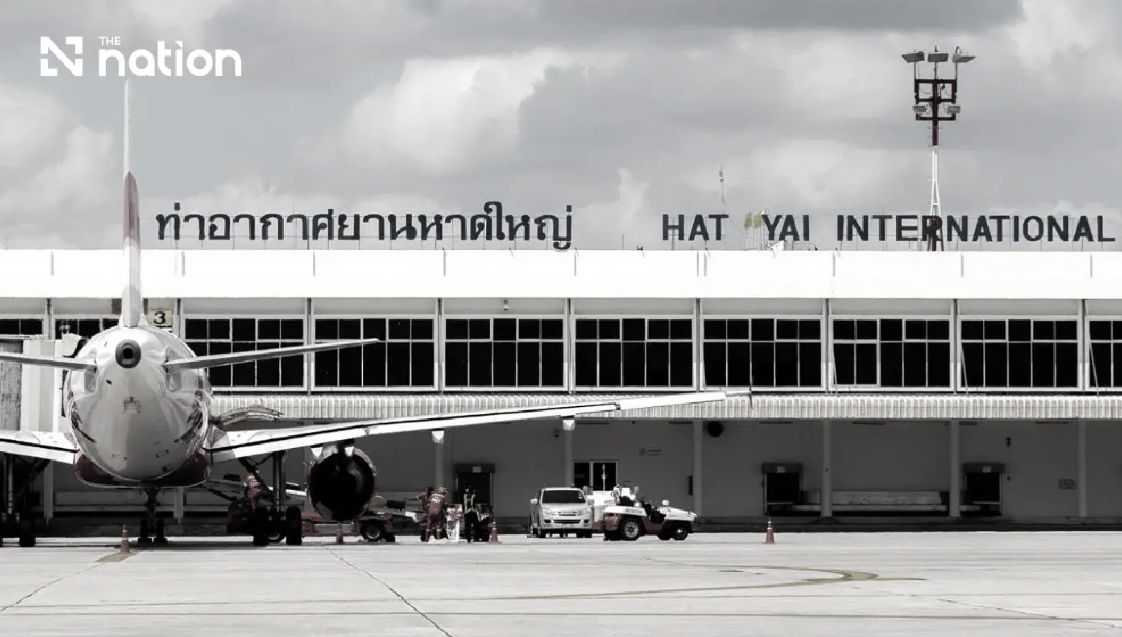
Hat Yai International Airport in Thailand's southern Songkhla Province shut down Runway 26 on Wednesday afternoon after an airport fire engine became involved in an accident on the tarmac, forcing flight diversions and creating disruption for travellers in the region. The incident, which occurred around 1.55pm on June 17, prompted the airport authority to issue an aviation notice immediately, with operations on the affected runway not resuming until 4.30pm the same day.
The closure was imposed as a precautionary measure while airport management and safety personnel assessed and managed the incident scene. Officials prioritised ensuring the airfield remained secure and that no further incidents could occur during normal operations. Although the exact circumstances of the fire engine accident remain limited in public detail, the decision to fully close the runway—rather than implementing restrictions—underscores the severity with which authorities treated the situation. This type of operational caution is standard practice at international airports when ground service vehicles are involved in accidents that could compromise runway integrity or safety protocols.
The temporary unavailability of Hat Yai's sole major runway had immediate consequences for scheduled air traffic. Inbound aircraft bound for the airport during the closure window found themselves unable to land and were rerouted to alternative facilities. Krabi Airport, located approximately 120 kilometres northwest and serving the popular Phuket tourism region, became the primary diversion point for affected flights. Flight tracking data from Flightradar24 revealed that at least two major services were redirected that afternoon: Thai Airways International flight TG263 and Thai Lion Air flight SL712, both of which proceeded to land at Krabi instead of their intended destination.
The diversions created logistical challenges for passengers who had planned to arrive at Hat Yai. One traveller who contacted the airport seeking clarification about the situation reported that officials acknowledged an emergency had occurred but provided no elaboration at that moment. The passenger's relative, travelling on Thai Airways flight TG263, eventually reached Krabi safely, though the extended journey and uncertainty created inconvenience. Airlines operating services through Hat Yai were forced to communicate revised landing information to passengers mid-flight, a scenario that typically generates concern and requires careful passenger management.
Hat Yai International Airport serves as a critical regional hub connecting Thailand's southernmost provinces with major domestic and international destinations. The airport handles significant traffic from both leisure and business travellers, as well as those connecting through to Malaysia. Runway 26 is one of the facility's primary operational assets, and its closure—even temporarily—substantially constrains the airport's capacity. Unlike larger international airports with multiple parallel runways, Hat Yai operates with limited redundancy, meaning any single runway closure significantly impacts throughput and scheduling.
The incident highlights the operational complexities inherent in managing ground support services at busy airports. Fire and rescue vehicles are essential safety assets, yet their presence on active tarmac areas introduces inherent risks. Aircraft movements, ground vehicle operations, and personnel coordination must be orchestrated with precision to prevent accidents. When ground service vehicles are involved in incidents, the investigation and scene management process typically requires substantial time to ensure all hazards are addressed and the runway is certified safe for aircraft operations.
Passengers affected by the diversions faced uncertainty about their onward journeys from Krabi. Although the alternative airport is itself a functional international facility serving Thailand's tourism sector, arriving at an unintended destination creates complications for ground transportation, accommodation, and connecting flights. Airlines typically provide passenger care and meal vouchers during significant diversions, though the experience remains disruptive. Those travelling for business purposes or with tight connections would have faced particular stress.
The closure underscores the vulnerability of regional airport infrastructure to operational incidents. Hat Yai's importance to southern Thailand's tourism and trade logistics means that any significant disruption carries economic implications beyond individual passenger inconvenience. Supply chains, business meetings, and tourist movements all depend on reliable runway availability. From a Southeast Asian perspective, the incident demonstrates why investment in airport redundancy and ground support infrastructure remains crucial as regional aviation expands.
For Malaysian travellers using Hat Yai Airport—whether for domestic connections or international transit—the incident serves as a reminder of the risks inherent in smaller regional hubs. Although the closure was temporary and operations resumed within hours, the situation illustrates why passengers should maintain flexibility when transiting through secondary airports. Airlines flying routes through Hat Yai and passengers connecting there should factor such possibilities into travel planning, particularly during peak travel seasons when alternative routing becomes more complex.
The incident was eventually managed without reported injuries, and Thai Airways flight TG263 proceeded safely to Krabi, where passengers disembarked and made subsequent travel arrangements. Hat Yai Airport resumed normal Runway 26 operations after the four-hour closure period, allowing scheduled traffic to normalise. Airport authorities did not immediately release detailed findings regarding the fire engine accident itself, though standard investigation procedures would typically follow any such incident to prevent recurrence.