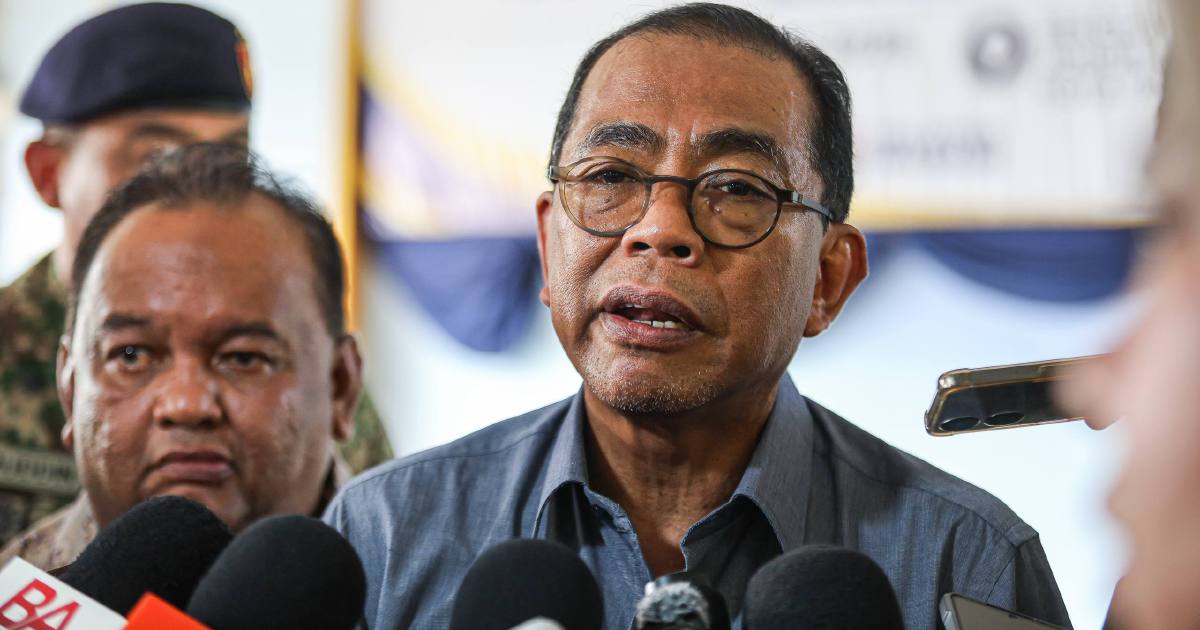
A senior Malaysian opposition figure has intensified pressure on authorities to accelerate their investigation into a grenade incident that occurred at Hobart Camp, signalling growing political scrutiny over military safety protocols and the handling of the matter.
Khaled's intervention reflects deeper anxieties within Malaysia's political establishment regarding procedural lapses in armed forces operations and the speed of official responses to serious incidents. The call for expedition comes at a time when public confidence in military oversight remains a sensitive issue, particularly when incidents involve the potential for loss of life or significant injury. By demanding faster progress, the opposition leader is positioning himself as an advocate for accountability and transparency—themes that resonate with constituents concerned about institutional performance.
The Hobart Camp incident itself represents the type of operational mishap that authorities typically investigate with considerable care, balancing thorough fact-finding against the need for swift resolution. Grenade-related accidents demand meticulous examination of multiple factors: training procedures, safety protocols, equipment maintenance, individual competence, and adherence to standing orders. Each element must be scrutinised to determine whether the incident resulted from human error, systemic weakness, equipment failure, or some combination thereof. Such investigations require coordination between military safety officers, technical experts, and potentially external investigators, which can protract proceedings.
Malaysian military establishments operate under multiple layers of oversight, including internal command structures, the Ministry of Defence, and parliamentary committees. When incidents occur, the investigation framework must satisfy both military requirements and broader public accountability expectations. This dual obligation sometimes creates tension between speed and comprehensiveness—rushing to conclusions may compromise accuracy, whilst excessive deliberation fuels public speculation and political pressure.
Khaled's public criticism carries weight within Malaysia's political discourse, where parliamentary opposition plays an important role in scrutinising executive performance. By elevating the Hobart Camp matter to prominence, he ensures that the incident remains on the public agenda and within media focus. This approach typically compels relevant authorities to demonstrate visible progress, even if the underlying investigation follows its natural timeline. The political pressure itself becomes part of the institutional mechanism that encourages responsiveness.
From a regional perspective, military safety incidents attract attention beyond Malaysia's borders. Southeast Asian armed forces maintain significant personnel inventories and regularly conduct training operations that involve inherent risks. How individual nations address and resolve such incidents influences perceptions of military professionalism across the region. Swift, transparent investigations signal competence and institutional commitment to preventing recurrence, whereas sluggish responses raise questions about organisational culture and prioritisation.
The specifics of the Hobart Camp incident—the number of personnel involved, the severity of injuries, the circumstances surrounding the mishap—remain central to understanding the investigation's scope and appropriate timeframe. Different scenarios demand different investigative approaches. A minor incident with no injuries might conclude relatively quickly, whilst incidents involving fatalities or multiple casualties require considerably more extensive examination and stakeholder coordination.
Public demands for expedition must also be balanced against the need for investigators to pursue leads without artificial deadline pressures that might compromise thoroughness. Malaysian military institutions have faced criticism in the past for investigations that appeared rushed or incomplete, resulting in public scepticism about findings and remedial measures. Khaled's intervention, whilst understandable from a political standpoint, implicitly challenges authorities to demonstrate they can investigate swiftly without sacrificing rigour.
The incident also raises broader questions about training safety culture within Malaysian military establishments. Whether the Hobart Camp mishap resulted from isolated individual error or reflected systemic training deficiencies will likely influence broader policy discussions about equipment standards, instructor qualifications, and procedural safeguards. An expedited investigation must still allow space for such systemic examination, ensuring that remedial measures address root causes rather than merely circumstances.
Moving forward, the investigation's conclusions and any subsequent institutional reforms will establish precedent for how similar incidents are handled. If authorities respond to Khaled's push for expedition by delivering a comprehensive report within a reasonable timeframe, they demonstrate capacity for both responsiveness and rigorous inquiry. Conversely, failure to accelerate proceedings meaningfully whilst maintaining investigation quality risks further erosion of public confidence and prolonging political controversy around the incident itself.
%22%2F%3E%3C%2Fpattern%3E%3C%2Fdefs%3E%3Crect%20width%3D%22100%25%22%20height%3D%22100%25%22%20fill%3D%22url(%23phzcwqg)%22%2F%3E%3Crect%20width%3D%22100%25%22%20height%3D%22100%25%22%20fill%3D%22url(%23phzcwqp)%22%2F%3E%3Ctext%20x%3D%2250%25%22%20y%3D%2250%25%22%20text-anchor%3D%22middle%22%20dominant-baseline%3D%22central%22%20fill%3D%22rgba(255%2C255%2C255%2C0.95)%22%20font-family%3D%22Georgia%2C%20'Times%20New%20Roman'%2C%20serif%22%20font-weight%3D%22700%22%20font-size%3D%22136%22%20letter-spacing%3D%22-0.02em%22%3EParliament%3C%2Ftext%3E%3C%2Fsvg%3E)