%22%2F%3E%3C%2Fpattern%3E%3C%2Fdefs%3E%3Crect%20width%3D%22100%25%22%20height%3D%22100%25%22%20fill%3D%22url(%23ph3rh1xg)%22%2F%3E%3Crect%20width%3D%22100%25%22%20height%3D%22100%25%22%20fill%3D%22url(%23ph3rh1xp)%22%2F%3E%3Ctext%20x%3D%2250%25%22%20y%3D%2250%25%22%20text-anchor%3D%22middle%22%20dominant-baseline%3D%22central%22%20fill%3D%22rgba(255%2C255%2C255%2C0.95)%22%20font-family%3D%22Georgia%2C%20'Times%20New%20Roman'%2C%20serif%22%20font-weight%3D%22700%22%20font-size%3D%22320%22%20letter-spacing%3D%22-0.02em%22%3EIran%3C%2Ftext%3E%3C%2Fsvg%3E)
Iranian President Masoud Pezeshkian confirmed on Sunday that his country will receive US$6 billion in frozen assets currently held in Qatar as part of a preliminary agreement reached with the United States. The announcement, made through state broadcaster IRIB, signals a significant breakthrough in months of negotiations between the two nations aimed at resolving Middle East tensions and reopening critical maritime trade routes.
The asset release represents a concrete confidence-building measure in what diplomats describe as a delicate process of re-engagement between Washington and Tehran. The funds have remained frozen in Qatar for an extended period, representing a substantial portion of Iran's accessible foreign reserves. Their release would provide the Iranian government with immediate liquidity to address domestic economic pressures and fund various state initiatives.
Pezeshkian used the announcement to reinforce Iran's position on uranium enrichment, a cornerstone of Tehran's nuclear programme that has been central to international tensions for years. The president stated emphatically that Iran would never relinquish its right to uranium enrichment, and suggested that the United States had already accepted this reality as part of the emerging agreement. This assertion underscores how the negotiations are attempting to move beyond the contentious nuclear disputes that have dominated Iran-US relations since Washington withdrew from the Joint Comprehensive Plan of Action in 2018.
The preliminary agreement, formalized through a memorandum of understanding signed on Wednesday, comes amid efforts to de-escalate regional conflicts that have destabilized the broader Middle East. The accord specifically targets two interconnected objectives: establishing a ceasefire framework for ongoing Middle Eastern hostilities and ensuring unimpeded passage through the Strait of Hormuz, one of the world's most critical chokepoints for global energy supplies. Disruptions to shipping through these waters carry significant implications for Southeast Asian economies dependent on oil and gas imports from the Gulf region.
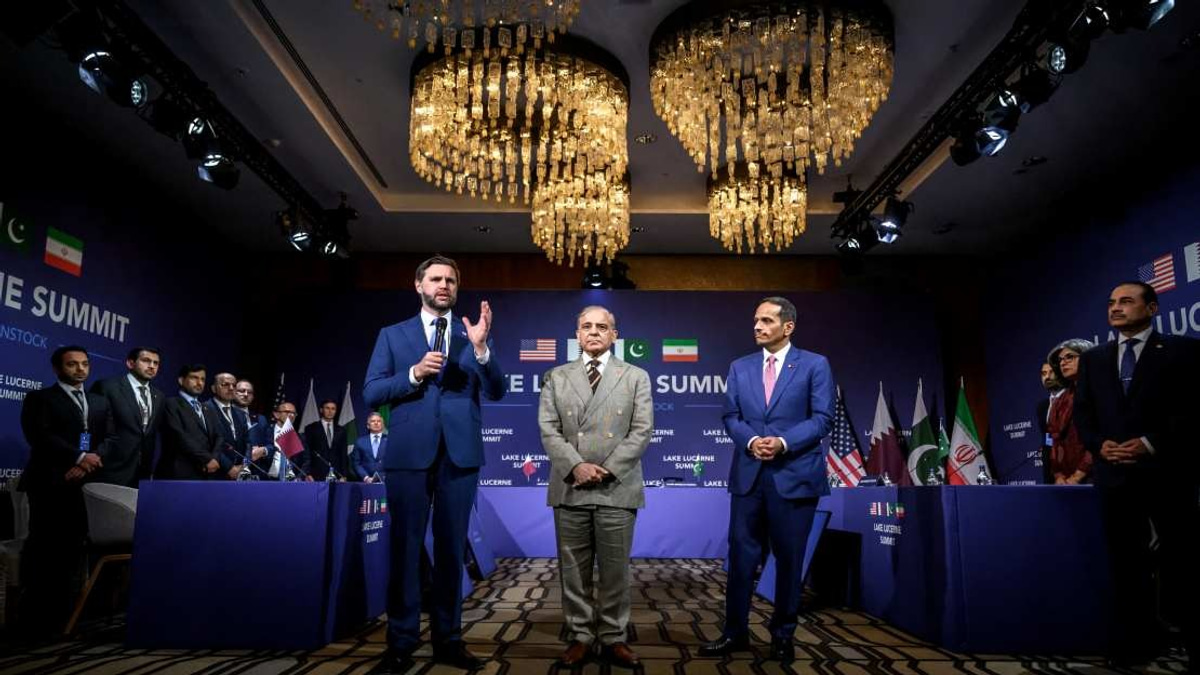
Delegations from both nations have arrived in Switzerland to commence technical negotiations that will operationalize the framework outlined in the memorandum. These negotiations represent the most concrete diplomatic engagement between Tehran and Washington in recent years, following a period marked by escalating sanctions, proxy conflicts, and mutual accusations. The choice of Switzerland reflects its traditional role as a neutral venue for high-stakes international diplomacy.
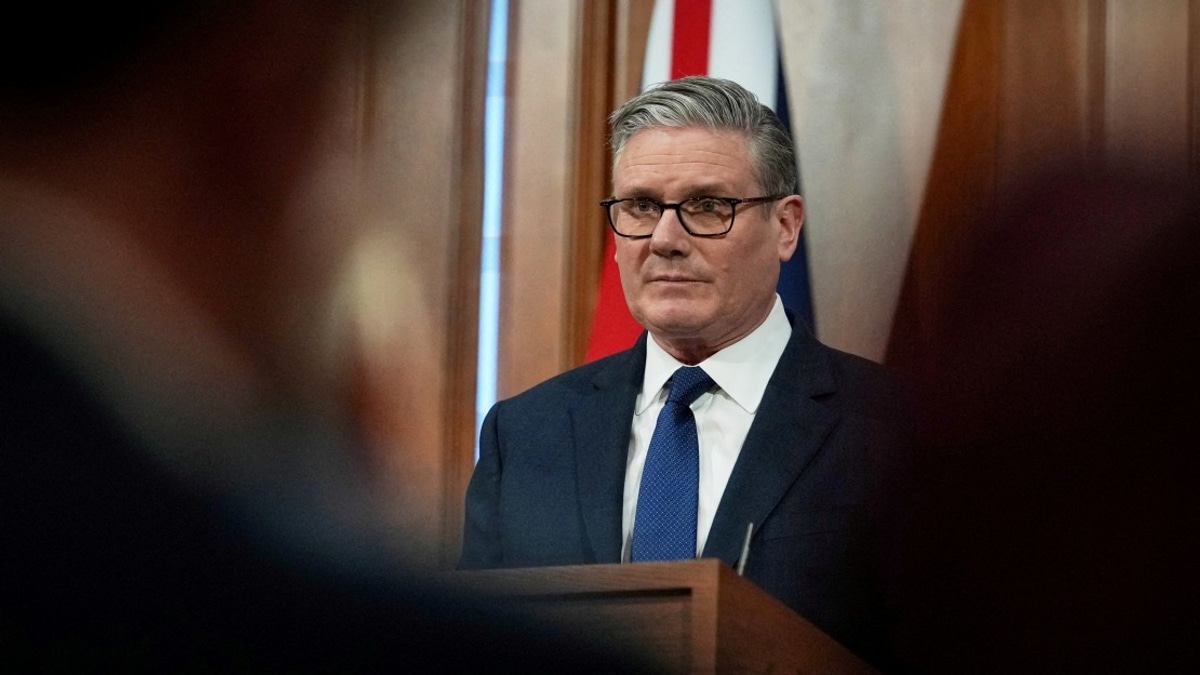
The American delegation will be led by Vice President JD Vance, indicating the gravity with which the US administration views these talks and its commitment to achieving substantive results. On the Iranian side, Parliamentary Speaker Mohammad Bagher Qalibaf and Foreign Minister Abbas Araghchi will head the negotiating team, representing both legislative and executive perspectives within Iran's governance structure. Pakistan has assumed a mediation role, a position consistent with its historical engagement across the Iran-US divide and its regional interests in maritime stability.
The technical negotiations phase will determine how the framework translates into operational protocols, including mechanisms for monitoring compliance, schedules for sanctions relief, and verification procedures. These working-level discussions typically consume weeks or months as negotiators address implementation details that can make or break broader political agreements. The involvement of senior officials from both sides suggests that negotiations have moved beyond exploratory phases into substantive problem-solving.
For Malaysia and other Southeast Asian nations, the successful resolution of Iran-US tensions carries material importance. Regional supply chain disruptions, oil price volatility, and maritime security challenges stemming from Middle Eastern instability have direct effects on Southeast Asian trade, energy security, and shipping costs. A stabilized Strait of Hormuz would benefit regional economies that depend on reliable energy imports and predictable shipping corridors for their manufacturing and export sectors.
The preliminary agreement also reflects broader geopolitical shifts, including evolving international alignments and a recognition among key players that indefinite confrontation serves no party's interests. The involvement of Pakistan as mediator suggests that regional powers are positioning themselves as contributors to conflict resolution rather than merely as observers or participants in proxy struggles. This development could influence broader regional diplomatic architecture and reshape alliance patterns across South and West Asia.
However, significant obstacles remain before any agreement becomes fully operational. Technical negotiations in Burgenstock will need to resolve contested details regarding sanctions implementation, nuclear programme monitoring, and dispute resolution mechanisms. Trust deficits accumulated over years of confrontation mean that each side will scrutinize the other's compliance carefully. The sustainability of any agreement will depend on whether both Washington and Tehran believe that continued engagement serves their strategic interests better than resumption of confrontation.
The asset release itself, while symbolically important, represents only an initial step in what diplomats anticipate will be a prolonged engagement. The US$6 billion figure, while substantial in global terms, constitutes a portion of Iran's broader frozen assets scattered across multiple jurisdictions. Subsequent phases of any agreement would likely need to address additional financial arrangements and the gradual loosening of sanctions architecture that has accumulated through successive US administrations.
Regional observers will be watching closely for signals regarding Iran's role in various Middle Eastern conflicts and proxy networks. The preliminary agreement's provisions regarding regional security arrangements remain opaque, but addressing these dimensions will be essential for the agreement to achieve its stated goal of ending months-long conflicts and establishing sustainable peace mechanisms.
%22%2F%3E%3C%2Fpattern%3E%3C%2Fdefs%3E%3Crect%20width%3D%22100%25%22%20height%3D%22100%25%22%20fill%3D%22url(%23ph537ylg)%22%2F%3E%3Crect%20width%3D%22100%25%22%20height%3D%22100%25%22%20fill%3D%22url(%23ph537ylp)%22%2F%3E%3Ctext%20x%3D%2250%25%22%20y%3D%2250%25%22%20text-anchor%3D%22middle%22%20dominant-baseline%3D%22central%22%20fill%3D%22rgba(255%2C255%2C255%2C0.95)%22%20font-family%3D%22Georgia%2C%20'Times%20New%20Roman'%2C%20serif%22%20font-weight%3D%22700%22%20font-size%3D%22151%22%20letter-spacing%3D%22-0.02em%22%3EBezzecchi%3C%2Ftext%3E%3C%2Fsvg%3E)