Japan's emergency services faced an unprecedented surge in mountain-related incidents during 2025, with police data revealing that 3,623 people became stranded in mountainous terrain—the highest figure since comparable records began in 1961. The figures underscore a growing challenge for Japanese authorities as outdoor recreation surges both domestically and among international visitors seeking adventure in the country's dramatic alpine regions.
The year-on-year increase of 266 incidents represents a troubling acceleration in mountain safety emergencies. These figures encompass a diverse range of situations, from hikers who misjudged weather conditions and navigation to experienced climbers caught in unexpected terrain difficulties. Among the stranded, 332 people died or disappeared—a devastating rise of 32 fatalities compared to 2024—while 1,480 sustained injuries, up 90 cases from the previous year. The human cost of these incidents reflects not merely statistical growth but real tragedies affecting families and communities across the region.
Demographics reveal that Japan's aging population significantly contributes to mountain emergencies. Nearly half of all stranded individuals, specifically 47.6 percent, were aged 60 or older, suggesting that elderly Japanese remain active in outdoor pursuits while potentially facing physical limitations in demanding alpine environments. The data indicates that 30.9 percent of incidents involved people becoming lost, highlighting navigation failures as a primary concern. This pattern raises questions about whether aging hikers adequately prepare for mountain conditions and whether emergency services should intensify public education targeting senior citizens.
Foreign visitors now represent an increasingly visible component of Japan's mountain rescue burden. The 246 international tourists who became stranded in 2025 marked an all-time high, and the 111-case increase from 2024 demonstrates accelerating growth in this category. Since the National Police Agency began tracking foreign visitor incidents in 2018, the trajectory has steadily climbed, reflecting Japan's successful tourism marketing and global interest in Japanese mountain experiences. However, this growth simultaneously strains rescue resources and raises concerns about whether overseas visitors possess adequate preparation, local knowledge, and understanding of mountain risks specific to Japan.
Backcountry skiing and mountaineering dominate the profile of stranded foreign visitors. Of the 246 international tourists affected, 203—representing 80 percent—were engaged in backcountry skiing or climbing activities. These pursuits demand high levels of technical skill, physical conditioning, and environmental awareness, yet the prevalence of incidents among foreign participants suggests knowledge gaps regarding Japanese alpine conditions, weather patterns, or equipment standards. Language barriers, unfamiliarity with Japanese rescue protocols, and overestimation of personal abilities may each contribute to these disproportionately high numbers among international adventurers.
Geographic analysis reveals stark regional variation in mountain emergencies. Nagano Prefecture in central Japan recorded the most incidents with 358 cases, reflecting the region's concentration of accessible high peaks and popularity among domestic hikers. Hokkaido followed with 199 cases, while Yamanashi Prefecture, home to Mount Fuji, registered 192 incidents. These three prefectures clearly bear disproportionate rescue burdens, suggesting that regional authorities should coordinate resource allocation and emergency response protocols accordingly. The distribution also indicates that Japan's most-visited mountain regions face intensifying pressure from growing visitor numbers.
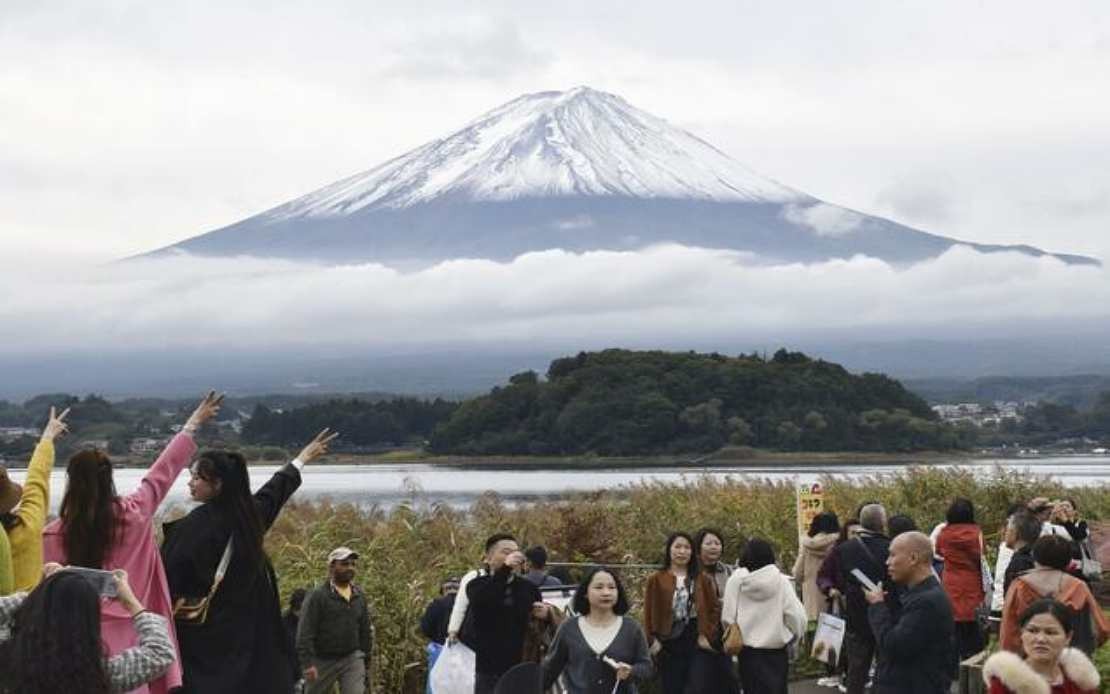
Mountain Fuji presented an interesting exception to broader trends. The iconic volcano, which attracts hundreds of thousands of annual visitors and typically dominates mountain rescue statistics, actually saw the number of stranded people fall compared to the five-year average. This improvement may reflect enhanced safety measures on the heavily trafficked peak, better trail maintenance, or more effective crowd management during climbing seasons. Conversely, the improvement on Fuji contrasts sharply with deteriorating conditions elsewhere, suggesting that concentrated resources and infrastructure investment can meaningfully reduce emergencies at specific locations.
The distinction between incident cases and total stranded individuals reveals complexity in how authorities categorize emergencies. In 2025, 3,122 recorded cases involved 3,623 total people, indicating that most emergencies involved multiple individuals—often groups climbing or hiking together. This clustering pattern has implications for rescue efficiency; teams can respond to single incidents involving numerous people, but simultaneously face more complicated extraction operations requiring specialized coordination and resources.
For Malaysian and Southeast Asian readers, Japan's escalating mountain emergency crisis offers instructive lessons. As outdoor tourism expands throughout the region—including in Malaysia's own highland areas and neighboring destinations—authorities should examine whether similar demographic patterns and foreign visitor challenges are emerging locally. The Japanese experience suggests that aging populations engaging in mountain activities, combined with international visitors potentially unprepared for local conditions, create predictable safety vulnerabilities that require proactive education, infrastructure investment, and coordinated rescue system development.
Looking forward, Japan's National Police Agency data underscores urgent needs for enhanced safety campaigns, improved trail infrastructure, better preparedness education for senior hikers, and comprehensive orientation programs for international visitors. The convergence of Japan's rapidly aging society, booming inbound tourism, and expanding interest in outdoor recreation has created systemic strains on emergency services. Without intervention, these figures will likely continue climbing, diverting rescue resources from other critical functions and perpetuating preventable tragedies across the nation's mountains.