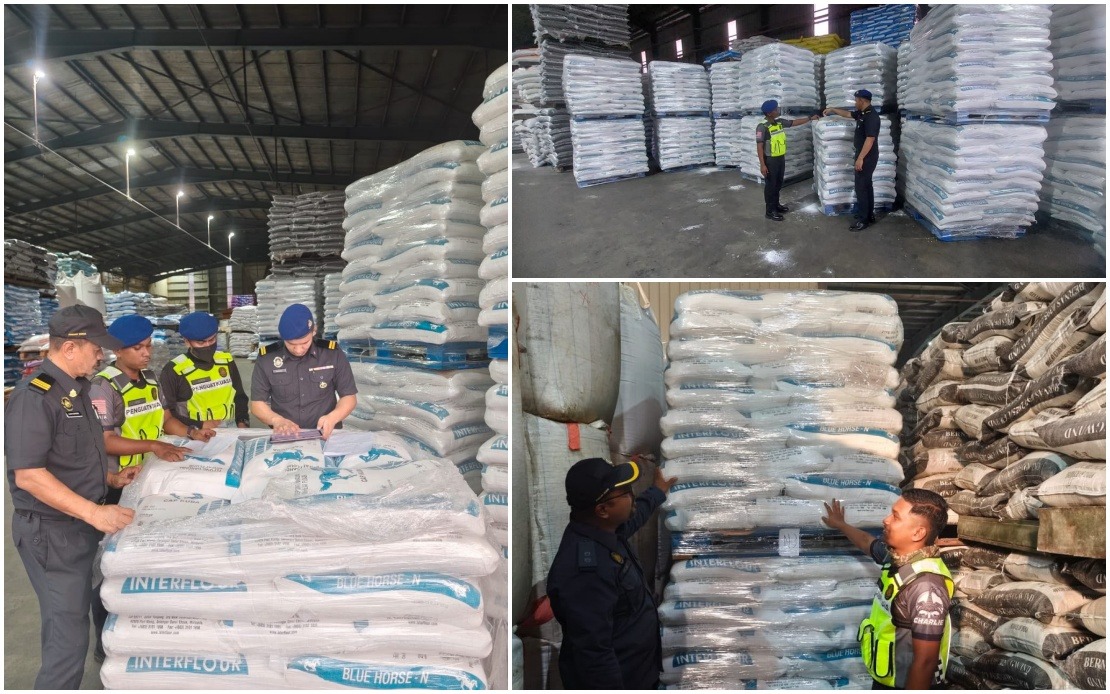
Authorities in Kedah have launched an investigation into an animal feed processing facility in the Kuala Ketil Industrial Area following a discovery of substantial quantities of wheat flour stored without the requisite regulatory approval. The Ministry of Domestic Trade and Cost of Living (KPDN) conducted the enforcement operation on June 15, with officers from the Baling branch descending on the premises at approximately 4.30 pm to conduct an inspection that would uncover significant regulatory breaches.
The raid retrieved a total of 53,325 kilogrammes of wheat flour, estimated to be worth RM100,251, from the facility. According to Muhammad Nizam Jamaludin, the director of KPDN's Kedah branch, the flour seizure represents a substantive quantity of commodity that had been maintained at the location without proper documentation or authorisation from relevant supply authorities. The discovery raises questions about the chain of custody for the material and its intended application within the factory's operations.
A 25-year-old individual working as the facility's manager was unable to produce the necessary permit or approval documentation from the Supply Controller that would have legitimised the storage of wheat flour at the premises. This absence of authorisation forms the crux of the suspected violation, as Malaysia's regulatory framework requires explicit permission for certain commodities to be held in commercial quantities, particularly where government-subsidised supplies may be involved. The manager's inability to present such documentation suggests either negligence in record-keeping or a more deliberate circumvention of established protocols.
Investigators are examining the matter under Section 21 of the Control of Supplies Act 1961 (Act 122), a statute that governs the proper handling and distribution of regulated commodities across the nation. This particular legislative framework exists to prevent the diversion or misuse of subsidised goods that are intended to reach consumers through official channels at controlled prices. The invocation of this provision indicates that authorities suspect the flour may have been sourced through state-subsidised programmes rather than through standard commercial procurement.
The implications of such violations extend beyond the immediate factory operation. Wheat flour in Malaysia benefits from government subsidies designed to keep essential food items affordable for ordinary households and for industrial users engaged in food production. When commodity supplies are diverted or stored without authorisation, they bypass price controls and can potentially be sold at marked-up rates in informal markets, undermining the effectiveness of subsidy programmes and creating unfair competitive advantages for unscrupulous operators.
For the animal feed industry specifically, this case highlights the intersection between agricultural commodity regulations and feed manufacturing standards. Animal feed producers often source multiple grain-based ingredients, and the regulatory framework requires them to maintain transparency about storage locations, quantities, and sourcing methods. The raid suggests that KPDN's enforcement mechanisms are extending their scrutiny into downstream manufacturing sectors where subsidised inputs might be redirected or accumulated beyond legitimate operational needs.
The seizure also reflects ongoing vigilance by trade authorities across Kedah, a state with significant agricultural activity and food processing operations. The Kuala Ketil Industrial Area hosts numerous manufacturing facilities, making it a focal point for regulatory enforcement campaigns aimed at detecting non-compliant practices. Regular inspections in such clusters help authorities identify systemic issues and prevent widespread abuse of subsidy frameworks that ultimately burden the national budget.
Muhammad Nizam's statement that firm action would be taken against any party misusing or diverting subsidised goods sends a clear message to the industrial sector about enforcement intentions. The severity of penalties available under Act 122 can include substantial fines and potential imprisonment, depending on the circumstances and the culpability of those involved. This deterrent effect is crucial in maintaining compliance across an industry where the temptation to circumvent regulations might otherwise persist.
The investigation's progression will likely determine whether this case represents an isolated incident of administrative oversight or evidence of a deliberate scheme to access subsidised inputs for commercial resale. Authorities will examine procurement records, delivery documentation, and communications related to the flour's acquisition and storage. They will also assess whether the facility's stated purpose as an animal feed processor aligns with the quantities of wheat flour discovered on premises.
For businesses operating in Malaysia's food and agricultural sectors, the case serves as a reminder that regulatory compliance regarding commodity storage and subsidy utilisation remains a priority for government enforcement agencies. Companies must maintain meticulous documentation of all regulated materials, ensure proper permits are in place before storage activities commence, and be prepared to demonstrate full traceability of their supply chains. The consequences of non-compliance, as demonstrated by the RM100,251 seizure, can be economically substantial and reputationally damaging.
The broader context involves ongoing efforts by the Malaysian government to protect subsidy programmes from abuse while maintaining industrial efficiency and competitiveness. Balancing these objectives requires both robust enforcement mechanisms and clear communication with businesses about their obligations. As the investigation progresses, it may reveal whether additional facilities or individuals are implicated in similar practices, potentially prompting wider industry-wide compliance reviews across Kedah's manufacturing sector.